Category: Electricity and Power Generation

  • Resonia commissions 2 transmission projects in Rajasthan, adds 9 GW evacuation capacity

    Resonia commissions 2 transmission projects in Rajasthan, adds 9 GW evacuation capacity

    ETEnergyWorld Desk

    The company stated in the release that each of the two projects contributes 4.5 GW to the overall evacuation capacity along the crucial Fatehgarh-Beawar corridor.
    The company stated in the release that each of the two projects contributes 4.5 GW to the overall evacuation capacity along the crucial Fatehgarh-Beawar corridor.

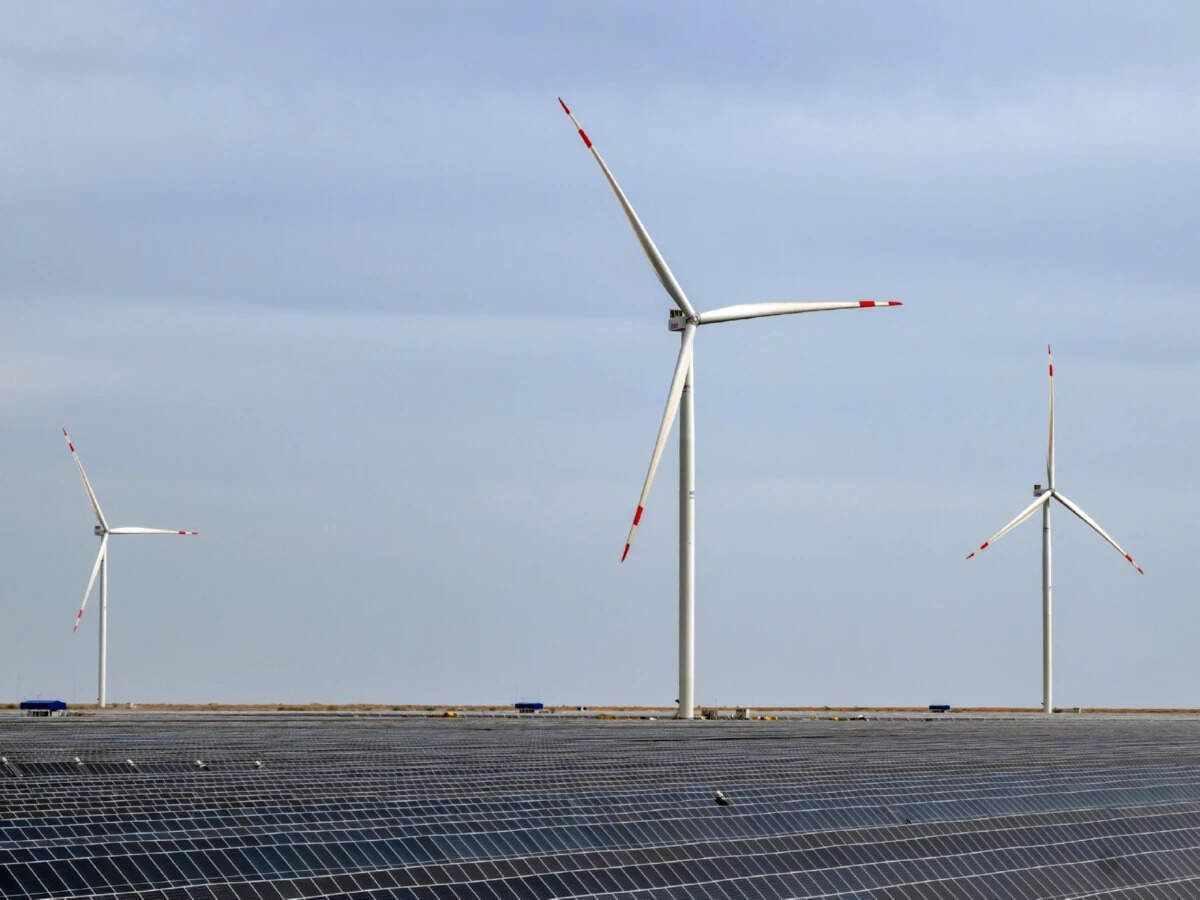
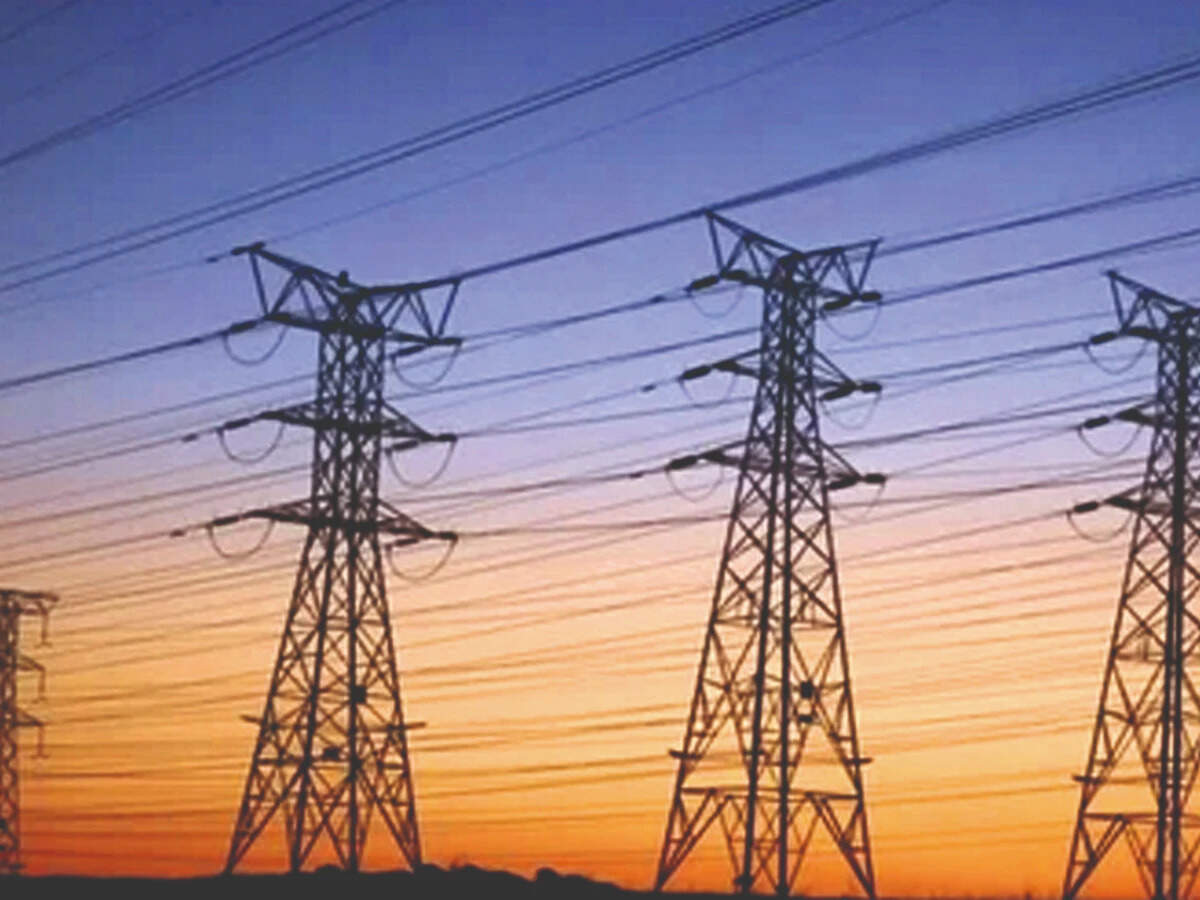
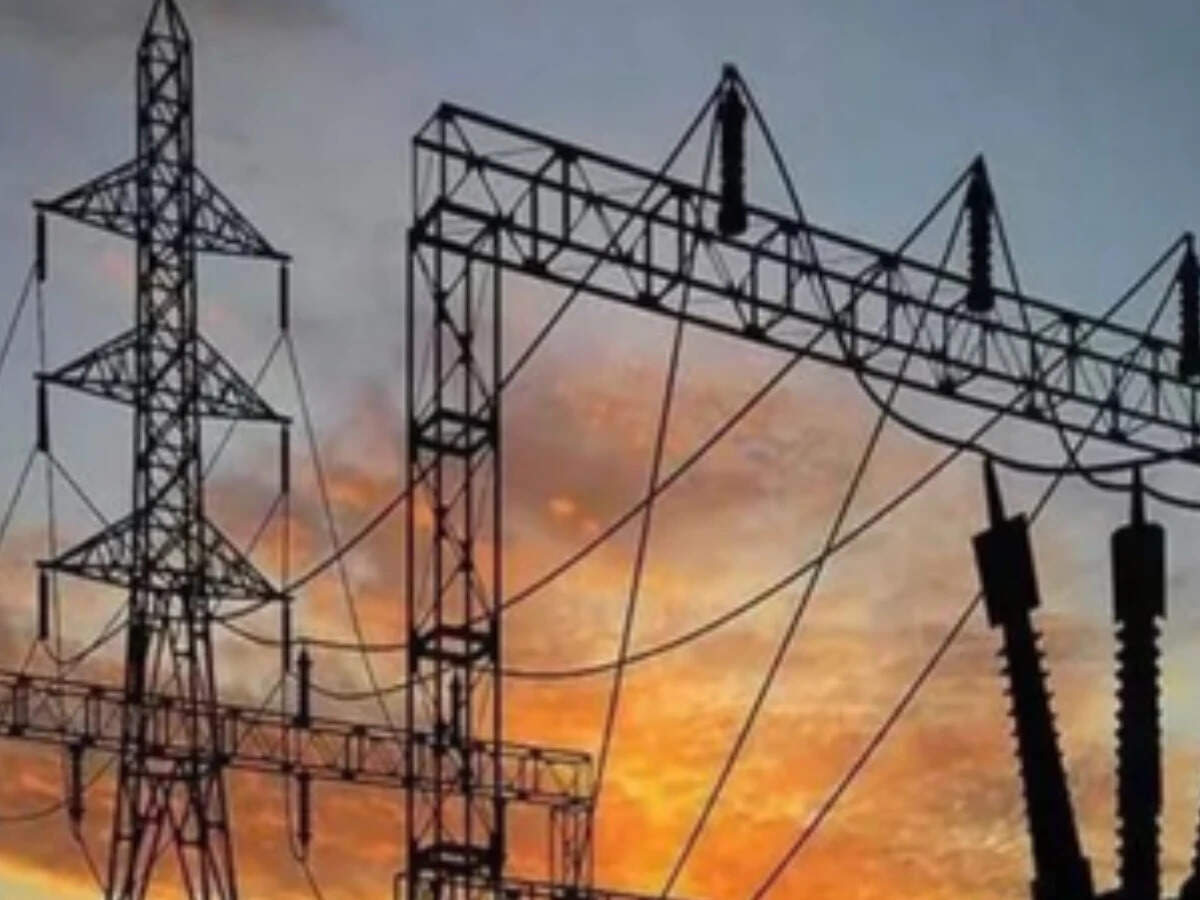
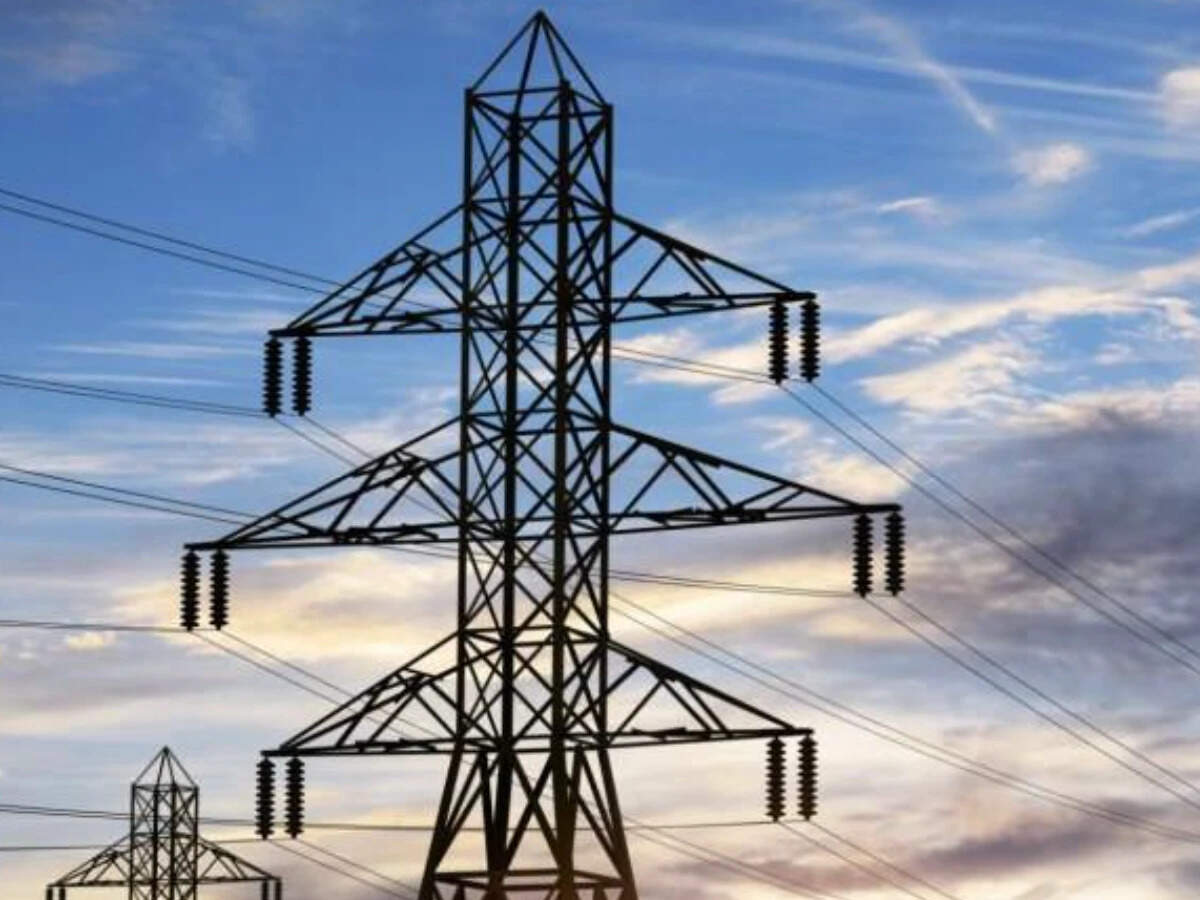
    Resonia, a major player in India’s power transmission infrastructure, has successfully commissioned two large-scale transmission projects in Rajasthan, adding a total of 9 gigawatts (GW) of power evacuation capacity.

    According to a press release issued on October 13, the newly completed infrastructure is designed to channel the region’s expanding renewable energy output directly into the national grid.

    The projects were executed through two special purpose vehicles: Fatehgarh III Beawar Transmission Limited (F3BTL) and Beawar Transmission Limited (BTL).

    The company stated in the release that each of the two projects contributes 4.5 GW to the overall evacuation capacity along the crucial Fatehgarh-Beawar corridor.

    Beawar Transmission Limited, which officially went live on September 23, 2025, features an 838 circuit kilometre (cKM) transmission corridor, a 765 kV double-circuit line, and a 3,000 MVA substation at Beawar to manage renewable energy variability and maintain grid stability.

    Its counterpart, Fatehgarh III Beawar Transmission Limited, was commissioned in March 2026 with a 635 cKM corridor and a 765 kV double-circuit line of its own. Both transmission networks traverse challenging desert terrains across districts such as Jaisalmer, Barmer, Balotra, Jodhpur Gramin, Pali, and Beawar, while the F3BTL corridor also extends into Ajmer.

    Building heavy infrastructure across arid landscapes required a modern touch, the company noted in the release. To navigate the harsh conditions and reduce environmental disruption, Resonia deployed advanced construction techniques, including drone-assisted conductor stringing using Infravision technology and crane-based tower erection.

    Prashant Sinha, Chief Executive Officer at Resonia, emphasised that as Rajasthan quickly becomes a major hub for green energy generation, robust transmission networks are critical to ensure efficient power evacuation.

    He noted that the successful delivery of these projects reflects the firm’s dedication to technology-led execution in demanding environments.

    Join the community of 2M+ industry professionals.

    Subscribe to Newsletter to get latest insights & analysis in your inbox.

    All about ETEnergyworld industry right on your smartphone!

  • India's power sector profits likely to grow up to 11% in Q2FY27 on strong demand: Report

    India's power sector profits likely to grow up to 11% in Q2FY27 on strong demand: Report

    • Published On Oct 13, 2026 at 02:55 PM IST
    India's power sector profits likely to grow up to 11% in Q2FY27 on strong demand: Report 
    India’s power sector profits likely to grow up to 11% in Q2FY27 on strong demand: Report 

    New Delhi: India’s power sector is expected to post up to 11 per cent year-on-year (YoY) profit growth in Q2FY27, driven by strong electricity demand, higher plant load factors and potential incentives for thermal power producers, according to Nuvama Institutional Equities.

    Nuvama noted in its report, India’s power demand rose nearly 12 per cent YoY to 163 billion units (BU) in September 2026 and 11.7 per cent to 503 BU in Q2FY27. This was largely due to high humidity and lower average rainfall.

    On the other hand, “peak power demand surged ~17.5% YoY to 269GW in Sep-26, led by non-solar hour demand.”

    Meanwhile, India’s thermal power accounted for nearly 69 per cent of total generation in Q2FY27, with plant load factors (PLFs) rising to 68.3 per cent from 61.9 per cent in Q2FY26.

    Apart from this, tighter power supply pushed electricity prices higher on the Indian Energy Exchange (IEX), with solar-hour prices remaining elevated. Additionally, non-solar-hour prices also increased in September on YoY basis.

    “Tighter supply pushed IEX prices higher, with solar-hour prices remaining elevated at INR5.6/unit and non-solar prices surging to INR9.5/unit in Sep-26 from Rs 3.2/unit in Sep-25,” it said.

    Nuvama further noted, electricity trading volumes on IEX rose 10.4 per cent YoY in September 2026 and 12.7 per cent in Q2FY27, with solar-hour prices averaging around Rs 3.8 per kWh during the quarter.

    However, total trading volumes, including Renewable Energy Certificates (RECs), grew nearly 9 per cent year-on-year in September, while quarterly growth remained subdued at around 4 per cent.

    At the same time, “Coal stock at NTPC‘s plants was down to about seven days in Sep-26 with low inventory of ~21MT (-54% YoY),” which further indicated a “tight” coal supply situation in the country.

    “Total RE additions stood at ~16.4GW YTD (till Sep-26) with solar additions contributing ~14.3GW in YTDFY27,” it said.

    Overall, as per the brokerage house, “IEX is expected to post moderate growth with overall volume rising merely 4% in Q2FY27.”

    Meanwhile, major thermal power producers are expected to report 8-9 per cent year-on-year profit growth, supported by higher plant load factors (PLFs) and potential incentives.

    • Published On Oct 13, 2026 at 02:55 PM IST

    Join the community of 2M+ industry professionals.

    Subscribe to Newsletter to get latest insights & analysis in your inbox.

    All about ETEnergyworld industry right on your smartphone!

  • Kalpataru Projects bags ₹2,225 crore power transmission orders in India, overseas

    Kalpataru Projects bags ₹2,225 crore power transmission orders in India, overseas

    ETEnergyWorld Desk

    The company said investments in transmission infrastructure, grid expansion and renewable energy integration were supporting demand for its engineering, procurement and construction (EPC) services.
    The company said investments in transmission infrastructure, grid expansion and renewable energy integration were supporting demand for its engineering, procurement and construction (EPC) services.

    Kalpataru Projects International Ltd (KPIL) has secured new orders worth around ₹2,225 crore across its power transmission and distribution (T&D) business in India and international markets, according to an exchange filing on Tuesday.

    The company has received orders and letters of comfort worth approximately ₹2,031 crore in its T&D business, while its Swedish subsidiary, Linjemontage i Grästorp AB, has won a contract worth around ₹194 crore.

    “We have secured orders valued at approx. ₹20,000 crore so far in the current fiscal year (YTD FY27), representing over 30 per cent YoY growth,” said Manish Mohnot, managing director and chief executive officer of KPIL.

    With these wins, he noted, it is a step forward to achieving KPIL’s targeted growth numbers.

    The company said investments in transmission infrastructure, grid expansion and renewable energy integration were supporting demand for its engineering, procurement and construction (EPC) services.

    Linjemontage has secured a contract worth approximately 200 million Swedish kronor from Swedish electricity distribution company Ellevio AB to refurbish and expand an existing 130-kV substation in Repbäcken, Borlänge.

    The project is expected to run for three years, with final inspection scheduled for October 15, 2029.

    The turnkey contract includes construction of a new substation, civil works, a control building, equipment installation, testing and commissioning. The expansion is intended to increase capacity and redundancy in the electricity grid, according to the filing.

    Join the community of 2M+ industry professionals.

    Subscribe to Newsletter to get latest insights & analysis in your inbox.

    All about ETEnergyworld industry right on your smartphone!

  • India’s total electricity generation increases 11% YoY in Q2 FY27: Report

    India’s total electricity generation increases 11% YoY in Q2 FY27: Report

    Renewable generation, excluding large hydropower, reached 101 BU in the second quarter of FY27, reflecting clean energy's growing contribution as peak power demand hit a record 270 GW.
    Renewable generation, excluding large hydropower, reached 101 BU in the second quarter of FY27, reflecting clean energy’s growing contribution as peak power demand hit a record 270 GW.

    India’s total electricity generation rose 11% year-on-year to 536 billion units (BU) in July-September, while renewable power output crossed 100 BU in a quarter for the first time, according to a report by the Centre for Research on Energy and Clean Air (CREA).

    Renewable generation, excluding large hydropower, reached 101 BU in the second quarter of FY27, reflecting clean energy’s growing contribution as peak power demand hit a record 270 GW.

    Combined generation from non-fossil sources, including renewables, large hydro and nuclear power, rose to a record 177 BU from 163 BU a year earlier, the report titled ‘India Energy Snapshot for Q2 FY2026–27’ said.

    Meanwhile, solar was the fastest-growing major power source, with generation rising 39 per cent year-on-year to 51 BU.

    Wind generation increased 29 per cent to 45 BU, while solar accounted for 10 per cent of India’s total electricity generation during the quarter for the first time. Solar output also hit a daily record of 705 million units on September 30.

    Non-fossil sources accounted for around 33 per cent of total electricity generation in the quarter, while coal continued to supply most of the power.

    The report also flagged a mismatch between coal consumption and supplies to power plants, with inventories falling even as electricity demand increased.

    Coal stocks remain under pressure

    Coal stocks at power plants declined to 21 million tonnes on September 30, equivalent to just 36 per cent of the normative requirement of 58 million tonnes.

    The number of plants with stocks below 25 per cent of their prescribed requirement rose from 32 on August 22 to 91 on October 6, according to the report’s accompanying release.

    Coal consumption also remained broadly stable at around 79 million tonnes a month from May through September.

    However, coal dispatch to power plants fell from 74 million tonnes in May to 66 million tonnes in August, while average railway rake loading declined from around 290 rakes a day in June to 280 in August before increasing sharply in early September.

    Despite peak demand reaching 270 GW on July 16, coal power plant utilisation stood at 68 per cent in the second quarter, down from 73 per cent in the preceding quarter, the release said.

    “Even with national peak demand reaching a record 270 GW, India’s coal power plants only reached 68 per cent of their utilisation rate in Q2 FY2026-27,” said Manoj Kumar, India analyst at CREA.

    As solar increasingly meets daytime demand and storage helps supply electricity during evening and night-time peaks, new thermal capacity should be assessed against projected demand, renewable generation and storage availability, he said.

    This would help avoid investments in capacity that could remain underutilised as the power system evolves.

    Renewable capacity additions outpace thermal

    India’s installed power capacity reached 555 GW in August 2026, with non-fossil sources accounting for around 55 per cent of the total. Renewable capacity excluding large hydro stood at 243 GW, including 168 GW of solar capacity.

    Renewable capacity additions also outpaced thermal additions in the second quarter of FY27, with around 7 GW of renewable capacity added against 0.8 GW of thermal capacity.

    The country’s energy storage pipeline is expanding, with around 290 GWh of capacity tendered by August, including pumped storage and battery energy storage systems, the report stated.

    Operational battery storage stood at around 9.1 GWh, contributing up to 5.5 GW during periods of night-time peak demand.

    The report also estimated that around 1,835 million units of renewable electricity, including 1,462 million units of solar and 373 million units of wind power, were curtailed during July and August due to grid and operational constraints.

    Join the community of 2M+ industry professionals.

    Subscribe to Newsletter to get latest insights & analysis in your inbox.

    All about ETEnergyworld industry right on your smartphone!

  • Tamil Nadu signs costliest power deals at up to ₹37 per unit amid supply crunch

    Tamil Nadu signs costliest power deals at up to ₹37 per unit amid supply crunch

    Venkadesan S

    Tamil Nadu has turned to costly short-term power purchases to meet rising electricity demand amid lower availability from conventional and wind sources.
    Tamil Nadu has turned to costly short-term power purchases to meet rising electricity demand amid lower availability from conventional and wind sources.

    The Tamil Nadu Power Distribution Corporation (TNPDCL) has signed agreements to procure the costliest power the discom has ever purchased, to overcome the shortage between availability and demand for the rest of the month.

    The state power utility has finalised deals for 1,500 megawatts (MW) of round-the-clock power supply from Oct 12 to 31 at the rate of ₹31.99 to ₹34.49 per unit. The power, with a quantum of 2000 MW, to be procured to meet the evening surge in demand from 6 pm to midnight will cost between ₹33.37 and ₹37 per unit.

    No other state has signed agreements at this cost through the Union power ministry’s e-bidding portal called DEEP, though many state-owned and private discoms have floated tenders and have not finalised the deal.

    Andhra Pradesh Power Coordination Committee (APPCC) alone has finalised deals for 150MW for prices ranging from Rs 16 to Rs 20 for the same period. However, APPCC finalised the bids for October requirements on Sept 9, while TNPDCL invited bids for the period of Oct 12 to 31 just a week ago.

    TNPDCL officials said that they were forced to float the tenders on such short notice because they thought the power demand would dip after Oct 10. “However, since the weather forecast is not clear on when the northeast monsoon would set in, we anticipate the unprecedented demand to continue in the coming days and floated the short-term tenders,” said the official.

    TNPDCL has cited a shortage of nearly 4,000 MW from central generating stations due to mandatory scheduled annual maintenance, along with reduced wind power generation, as reasons for the power purchase, while power demand has been unprecedented in October.

    While the peak power demand hovered around 17,000 MW in October last year and overall daily consumption was around 365 million units (Mu), the peak demand continues to touch 20,000 MW and daily consumption is nearly 70 Mu more compared to last year.

    Meanwhile, another TNPDCL official pointed out that such high-cost power agreements were signed because all the tied-up suppliers are gas-based plants instead of the conventional coal plants.

    “The coal power is not available in the market. But the positive point here is we can pay only for the power purchased and not for the entire signed quantum. The fixed charges are less than Re 1, so if the demand comes down and we don’t need the power from gas-based plants, we just need to pay the fixed charges. In coal-based plants, the fixed cost would be higher,” added the official.

    Join the community of 2M+ industry professionals.

    Subscribe to Newsletter to get latest insights & analysis in your inbox.

    All about ETEnergyworld industry right on your smartphone!

  • Small modular nuclear reactors could power India’s steel decarbonisation, says Sitharaman

    Small modular nuclear reactors could power India’s steel decarbonisation, says Sitharaman

    • Published On Oct 13, 2026 at 08:03 AM IST
    Sitharaman invites Worldsteel to open office in India as steel demand shifts
    Sitharaman invites Worldsteel to open office in India as steel demand shifts

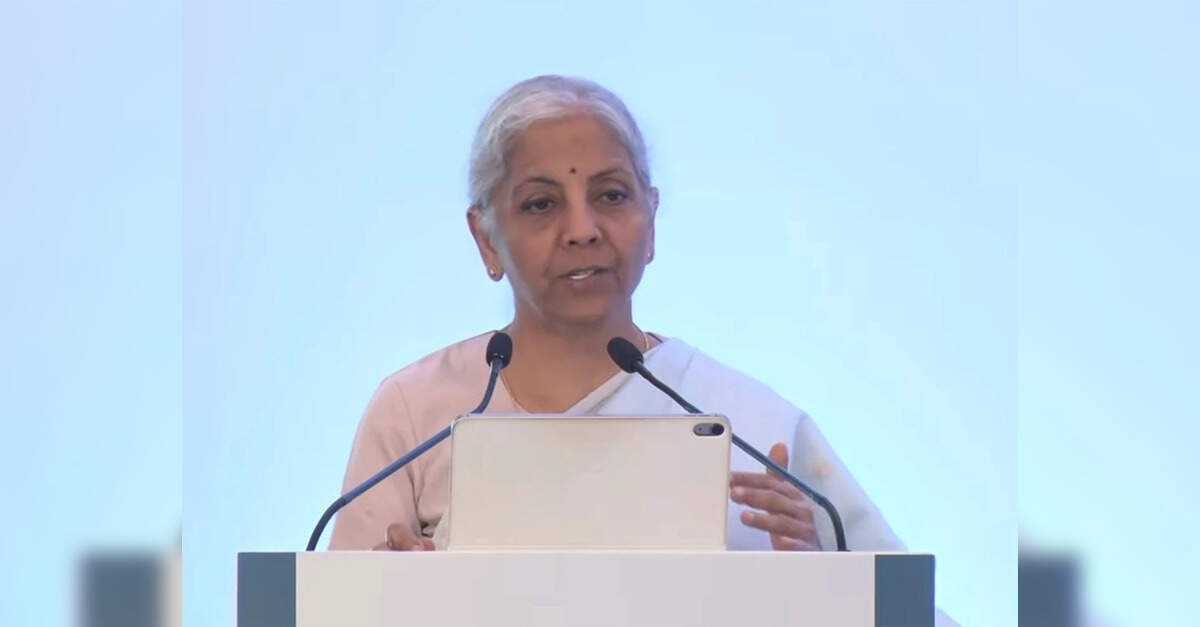
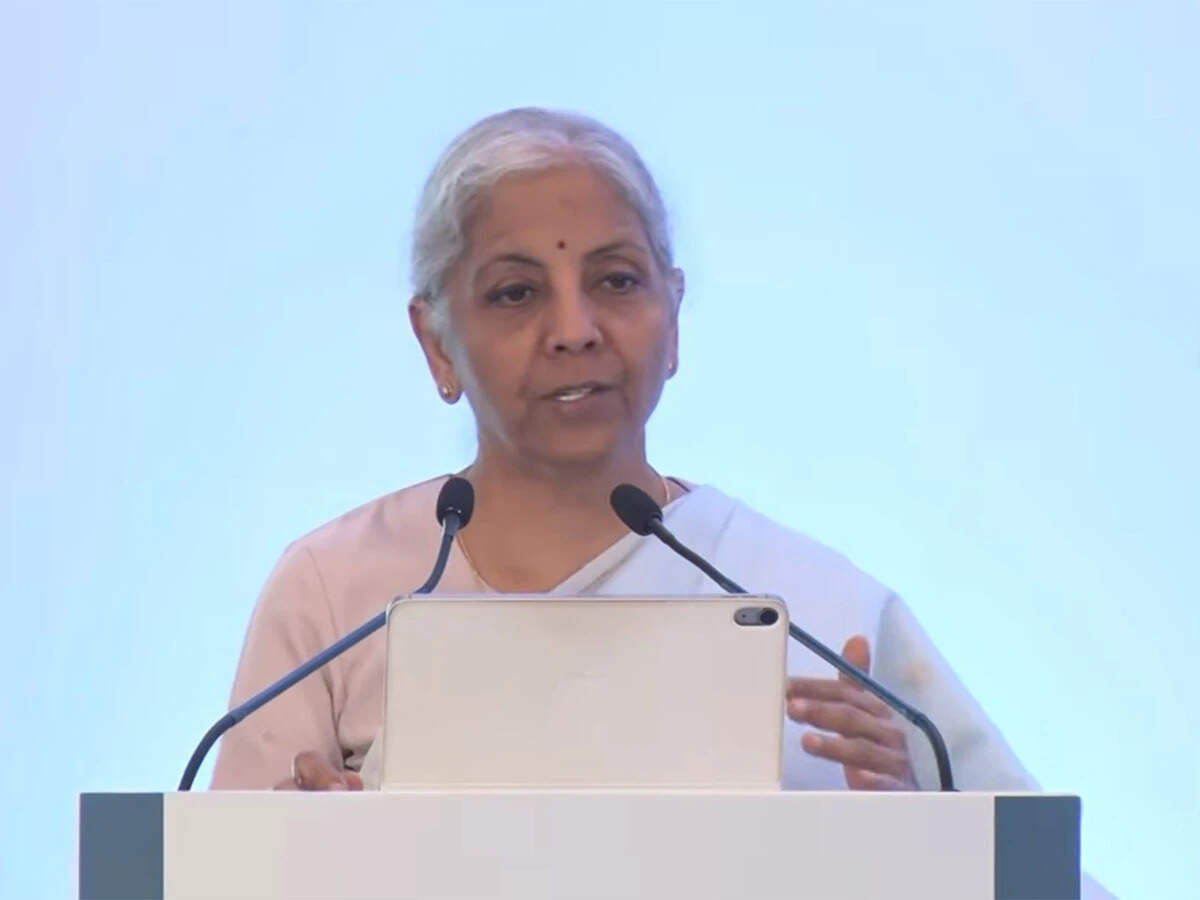
    New Delhi: India’s steel industry is expanding even as global output declines, with domestic demand supported by infrastructure spending keeping pace with production, finance minister Nirmala Sitharaman said on Monday, highlighting the country’s growing role in the global steel market.

    Speaking at the World Steel Association‘s (Worldsteel) General Assembly here, Sitharaman said India raised crude steel output by 10 per cet in 2025 to 165 million tonnes and by 6 per cent in January-August 2026, even as world output declined. India’s share of world steel production has risen to about 9 per cent from 5.2 per cent in 2014, she added. Demand has expanded alongside production, making India the fastest-growing major steel market in the world, with a public investment programme and a green steel framework in place, the finance minister said.

    Finished steel consumption in the country more than doubled over a decade to 164 million tonnes in FY26. For two successive years, consumption has exceeded production, she added. Sitharaman invited Worldsteel to “consider establishing an office in India” to strengthen its presence in the country. Investments in infrastructure such as railway, national highways, ports and high-speed rail networks create sustained demand for steel across construction, transport, energy and industrial infrastructure, she said.

    The task is to ensure that the growth in steel production is matched by advances in raw-material security, specialised manufacturing, technological sophistication, and environmental performance, the finance minister said.

    “Small modular reactors, being developed under our Nuclear Energy Mission, also hold promise for the steel sector,” she said. As these technologies mature and are deployed, they can provide reliable, round-the-clock, low-carbon electricity, complementing renewable energy and supporting the steel industry’s decarbonisation, Sitharaman said. A practical priority is to expand scrap-based steelmaking and use renewable electricity to power it, she said.

    • Published On Oct 13, 2026 at 08:03 AM IST

    Join the community of 2M+ industry professionals.

    Subscribe to Newsletter to get latest insights & analysis in your inbox.

    All about ETEnergyworld industry right on your smartphone!

  • Cabinet nod sought to extend power fund for 5 years

    Cabinet nod sought to extend power fund for 5 years

    Shilpa Samant

    The Power System Development Fund supports grid reliability, protection systems and transmission upgrades as India expands renewable energy capacity.
    The Power System Development Fund supports grid reliability, protection systems and transmission upgrades as India expands renewable energy capacity.

    The power ministry has sought Cabinet approval for the continuation of the Power System Development Fund (PSDF) in the 16th finance commission cycle of FY27-FY31, people familiar with the matter said.

    The fund finances projects that support the reliability, security and stability of India’s electricity grid. It is mainly used to support investments important to secure power-system operations that may not be commercially viable for utilities. The union budget for FY27 earmarked around ₹1,103 crore for the PSDF.

    The ministry did not respond to an email seeking comment until press time Monday. The Cabinet approval for the 15th finance commission cycle of FY22-26 period came in July 2023, with an allocation of ₹11,000 crore. As per regulations, regional power committees, electricity generation companies, transmission licensees, distribution licensees, load dispatch centres and public sector undertakings need to give details of the projects and schemes for funding from the PSDF.

    Categories eligible for funding include transmission systems of strategic importance, reactive energy generators, standard and special protection schemes, pilot and demonstration projects, and renovation and modernisation of transmission and distribution systems. As India’s renewable energy capacity increases, the grid needs additional voltage support, storage and protection systems to manage variable generation.

    According to a Crisil Ratings report in March, addition of renewable energy capacity amid slower deployment of transmission infrastructure poses a risk of grid curtailment for more than 35 GW of capacity in fiscal 2027. This is largely because of a lack of long-term grid access. Curtailment for prolonged duration can impact the equity internal rate of return and the debt service coverage ratio of projects, the report said.

    Join the community of 2M+ industry professionals.

    Subscribe to Newsletter to get latest insights & analysis in your inbox.

    All about ETEnergyworld industry right on your smartphone!

  • Bonfiglioli Transmissions IPO to open on October 15, sets price band at ₹558-₹586 per share

    Bonfiglioli Transmissions IPO to open on October 15, sets price band at ₹558-₹586 per share

    ETEnergyWorld Desk

    The company proposes to list its equity shares on the BSE and the National Stock Exchange. Axis Capital, BNP Paribas, ICICI Securities and Jefferies India are the book-running lead managers to the issue.
    The company proposes to list its equity shares on the BSE and the National Stock Exchange. Axis Capital, BNP Paribas, ICICI Securities and Jefferies India are the book-running lead managers to the issue.

    Bonfiglioli Transmissions’s initial public offering (IPO) on Monday will open for subscription on October 15, with the price band set at ₹558-586 per share, according to an exchange filing.

    According to the official press release, the issue will close on October 19, while bidding for anchor investors will take place on October 14. Investors can bid for a minimum of 25 shares and in multiples of 25 thereafter.

    The IPO comprises an offer for sale of up to 43.24 million equity shares by the company’s promoter, Bonfiglioli.

    Since the issue is entirely an offer for sale, the proceeds will go to the selling shareholder, and the company will not receive funds from the share sale.

    Bonfiglioli Transmissions manufactures mechanical and electro-mechanical power transmission equipment and industrial drive solutions, including gear motors, gearboxes and drive systems.

    As per the filing, the company operates in India under the Bonfiglioli brand, which has a global presence of nearly 70 years and more than 25 years of operations in the country.

    The company proposes to list its equity shares on the BSE and the National Stock Exchange. Axis Capital, BNP Paribas, ICICI Securities and Jefferies India are the book-running lead managers to the issue.

    Join the community of 2M+ industry professionals.

    Subscribe to Newsletter to get latest insights & analysis in your inbox.

    All about ETEnergyworld industry right on your smartphone!

  • Lumino Industries bags orders worth ₹496 crore since its September IPO

    Lumino Industries bags orders worth ₹496 crore since its September IPO

    ETManufacturing Desk

    The company said the manufacturing orders cover conventional and high-performance conductors, as well as high-tension (HT), low-tension (LT), and railway signalling cables, clarifying that these cater to the power transmission and distribution sector and other industries.
    The company said the manufacturing orders cover conventional and high-performance conductors, as well as high-tension (HT), low-tension (LT), and railway signalling cables, clarifying that these cater to the power transmission and distribution sector and other industries.

    Lumino Industries, a Kolkata-based power infrastructure company, has secured new orders worth ₹496 crore since listing its shares on the stock exchanges on September 3, 2026, taking its order book to ₹3,215 crore, the company said in a regulatory filing on Monday.

    The orders, excluding goods and services tax (GST), comprise manufacturing contracts worth ₹339 crore for conductors and cables and an engineering, procurement and construction (EPC) contract worth ₹157 crore to upgrade underground power distribution networks in India.

    “Rising electricity demand, renewable energy integration and network upgrades are driving investment in India’s transmission and distribution infrastructure,” said Devendra Goel, managing director of Lumino Industries.

    The company said the manufacturing orders cover conventional and high-performance conductors, as well as high-tension (HT), low-tension (LT), and railway signalling cables, clarifying that these cater to the power transmission and distribution sector and other industries.

    The EPC contract involves upgrades to underground distribution networks.

    The company also noted that it is focusing on high-performance products, including high-temperature low-sag (HTLS) conductors, used to increase power transfer capacity across transmission networks, railways, and other industries.

    The company operates two manufacturing facilities in Howrah, West Bengal, with a combined annual aluminium consumption capacity of 40,000 tonnes. Its upcoming facility at Ranihati, Howrah, is expected to increase capacity to 75,000 tonnes in phases.

    Join the community of 2M+ industry professionals.

    Subscribe to Newsletter to get latest insights & analysis in your inbox.

    All about ETEnergyworld industry right on your smartphone!

  • Electric locomotives to replace diesel on Bengaluru-Mangaluru ghat section

    Electric locomotives to replace diesel on Bengaluru-Mangaluru ghat section

    Anush S

    South Western Railway plans to introduce electric locomotives on the 55-km Sakleshpura-Subrahmanya Road ghat section.
    South Western Railway plans to introduce electric locomotives on the 55-km Sakleshpura-Subrahmanya Road ghat section.

    Diesel locomotives on the Bengaluru-Mangaluru rail section could soon become history.

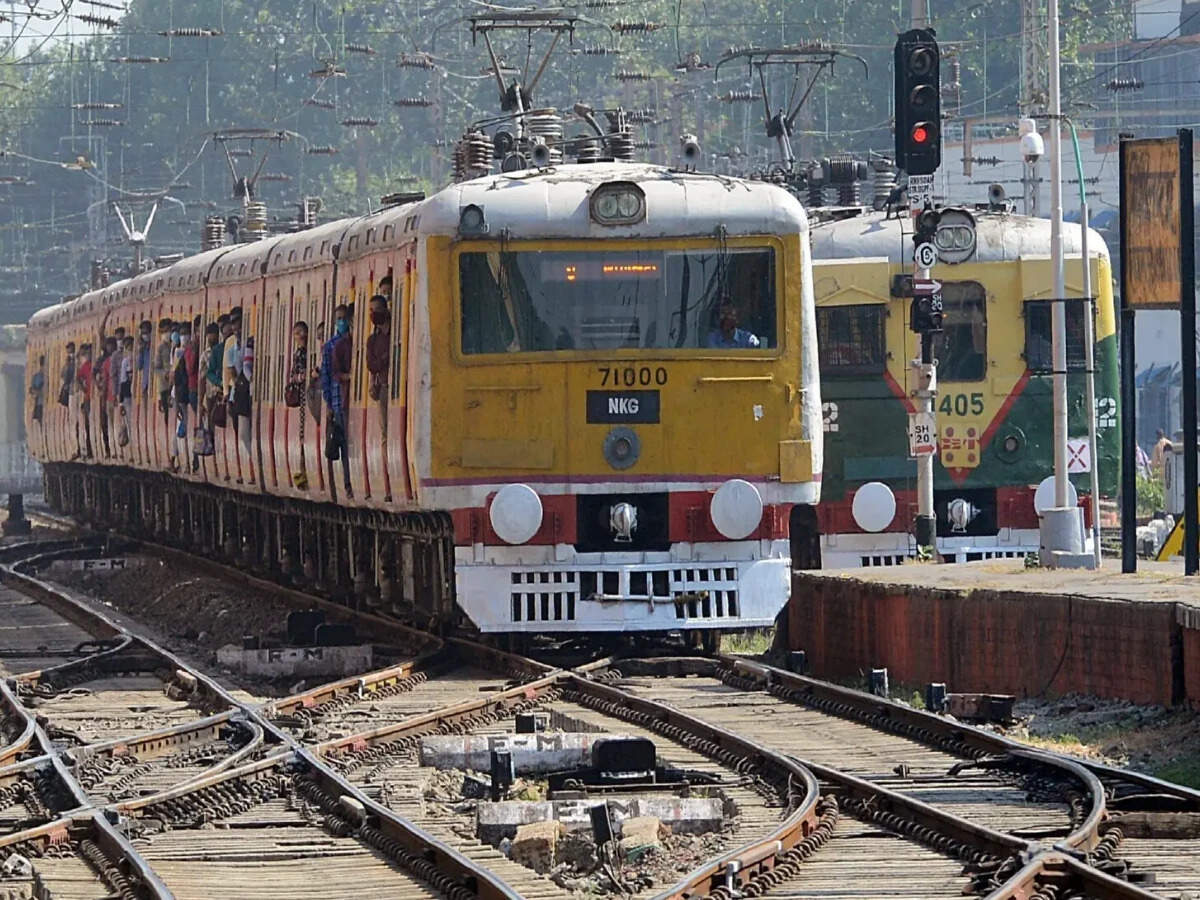
    Almost a year after the 55-km ghat section between Sakleshpura and Subrahmanya Road was electrified, South Western Railway (SWR) can shortly start running trains powered by electric locomotives.

    The stretch with several steep gradients, tunnels and bridges is a crucial part of the rail link between Bengaluru and Mangaluru.

    SWR has proposed switching seven trains using the stretch to alternating current (AC) traction: SMVT Bengaluru-Murdeshwar Express, Kozhikode Express, Yesvantpur-Karwar Express, Yesvantpur-Mangaluru Junction Weekly Express, Gomteshwara Express, Vijayapura-Mangaluru Central Express, and KSR Bengaluru-Karwar Panchaganga Express.

    Of these, four trains are now diesel-hauled, while the rest are pulled by electric locomotives and partially by diesel locomotives. The Kozhikode Express, SMVT Bengaluru-Murdeshwar Express and Vijayapura-Mangaluru Central Express currently use diesel locos partially only to pass the ghats.

    An SWR Mysuru division official said, “We are currently working on a traction sub-station (TSS) at Sakaleshpura. Once that is completed, we expect to conduct the electric trials for the section. The Research Designs and Standards Organisation (RDSO) trials for Vande Bharat were completed last month and were successful.”

    As railway rules mandate automatic emergency brakes (AEB) along the ghats, only electric locomotives fitted with the feature will be used. Despite the traction upgrade, speed restrictions will continue. All trains, including the proposed Madgaon-Yeshwantpur Vande Bharat, will be capped at a maximum speed of 30kmph.

    Karnataka is among five states/UTs yet to achieve 100 per cent rail electrification; currently, 97 per cent of the state’s network is electrified.

    Join the community of 2M+ industry professionals.

    Subscribe to Newsletter to get latest insights & analysis in your inbox.

    All about ETEnergyworld industry right on your smartphone!