Category: Oil and Gas

  • Trump has learnt his India lesson the hard way but will he own up?

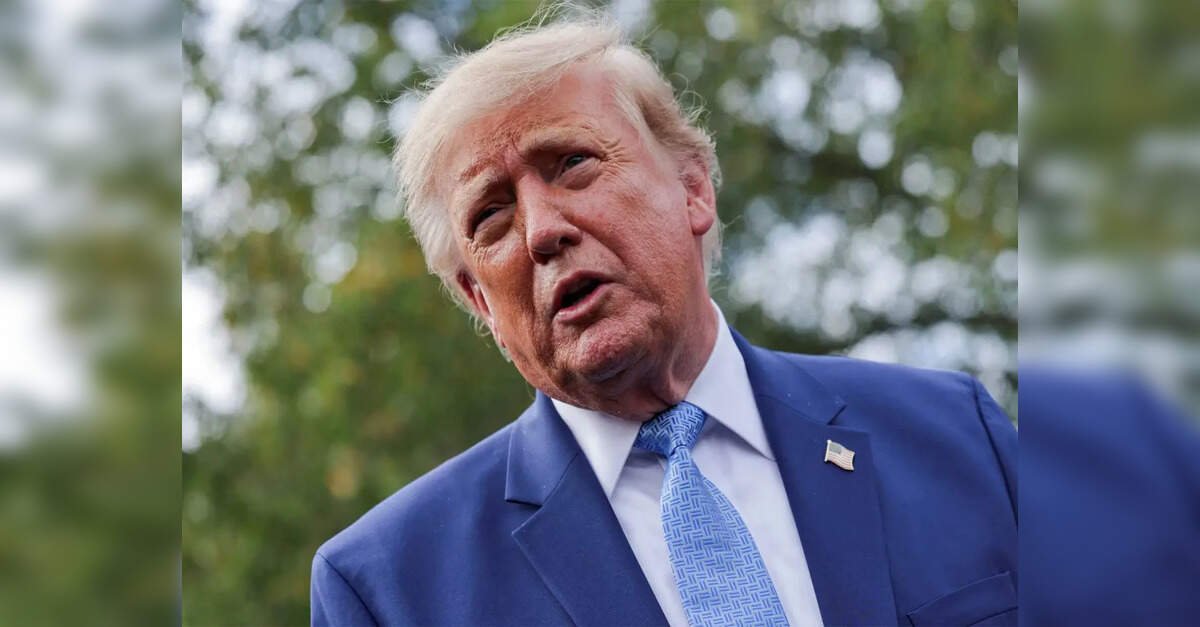
    Trump has learnt his India lesson the hard way but will he own up?

    New Delhi's argument has never been that Russia's invasion of Ukraine is acceptable. It is that energy security, inflation and the purchasing power of hundreds of millions of people must count in decisions about where a country buys its fuel.
    New Delhi’s argument has never been that Russia’s invasion of Ukraine is acceptable. It is that energy security, inflation and the purchasing power of hundreds of millions of people must count in decisions about where a country buys its fuel.

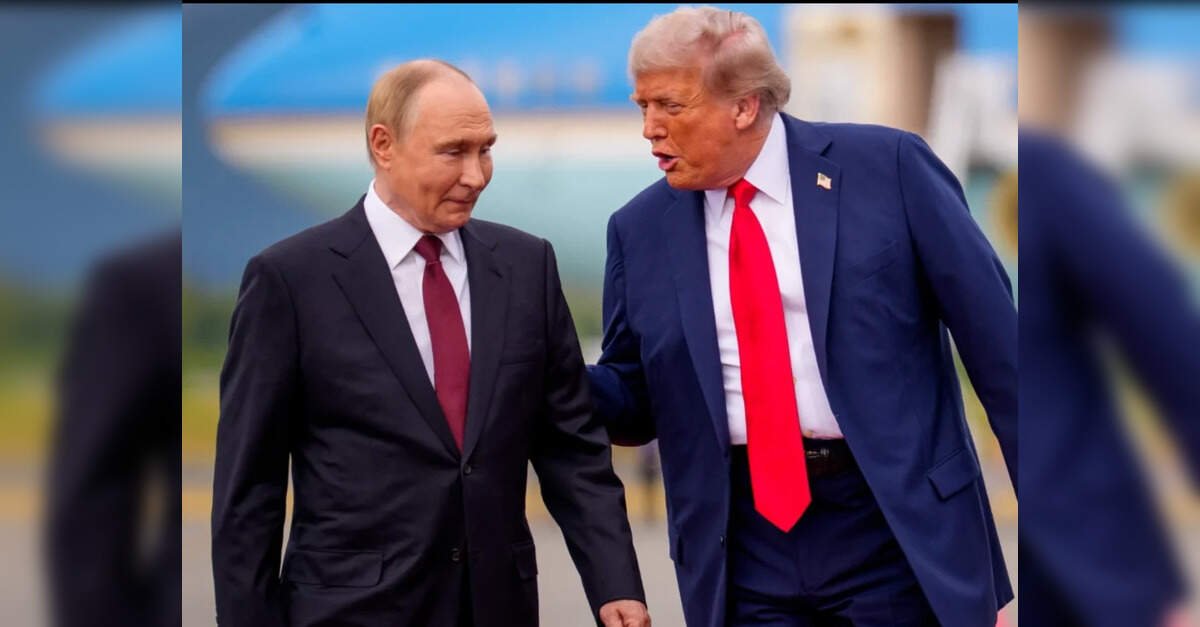
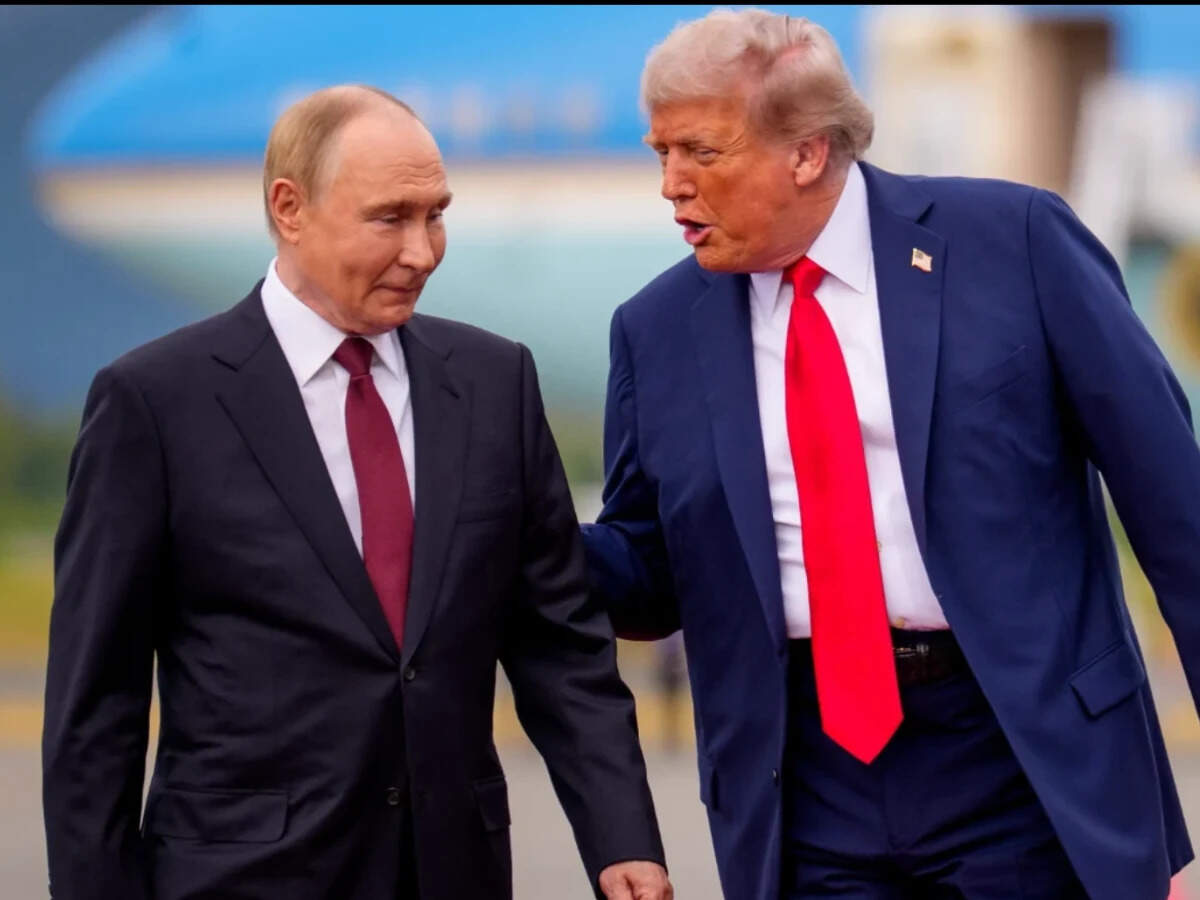
    Donald Trump has been pressuring India for close to a year to stop buying Russian oil, arguing that energy revenues were helping Vladimir Putin finance his war against Ukraine. He even imposed an additional 25 per cent tariff on Indian imports last year to punish New Delhi for continuing those purchases.

    Now, with American diesel prices soaring and the November 3 midterm elections hanging over his head like a sword, Trump has struck a deal to bring Russian diesel into global markets.

    The reversal exposes an uncomfortable truth that when energy costs threaten voters, geopolitical principles become negotiable. The question is whether Trump will now acknowledge India’s argument that affordable energy and the interests of ordinary people cannot simply be sacrificed to foreign policy objectives.

    The American consumer comes first

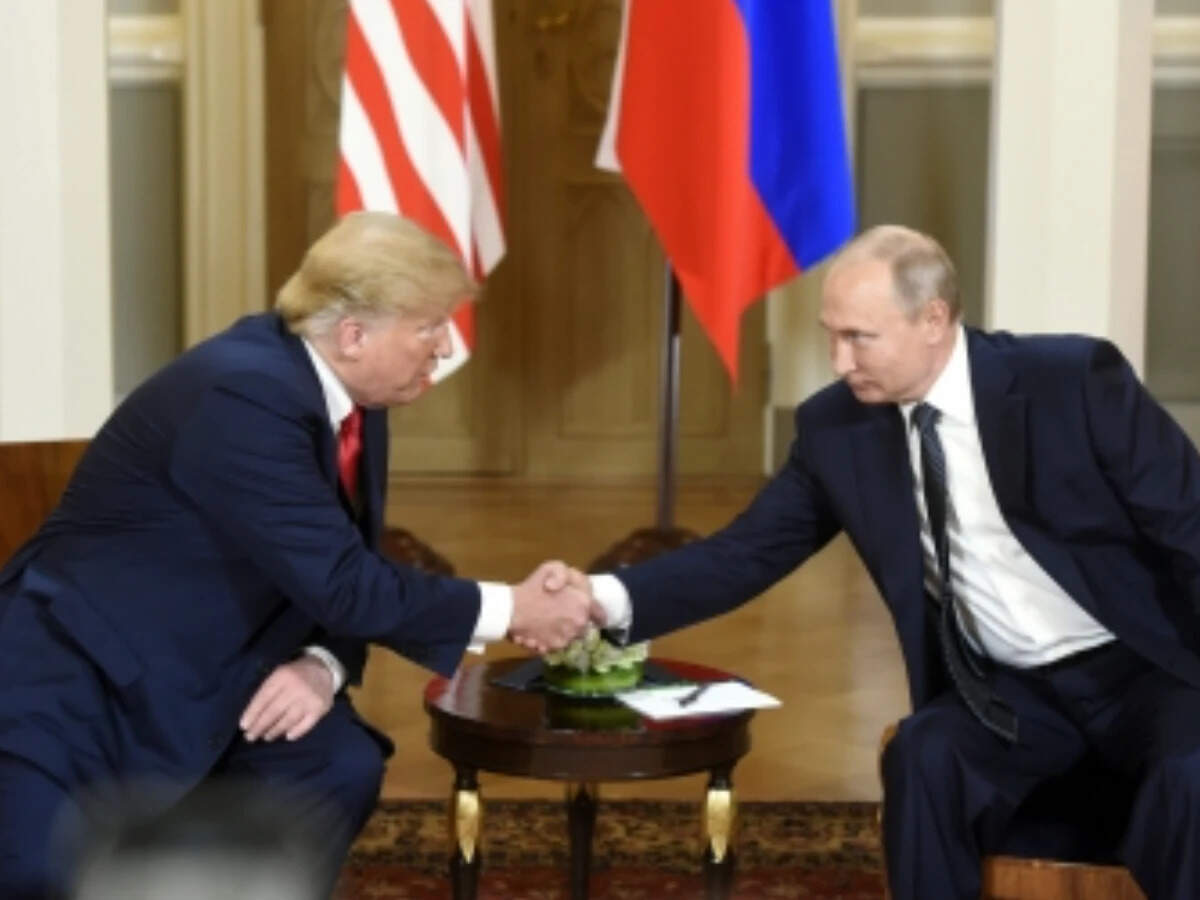
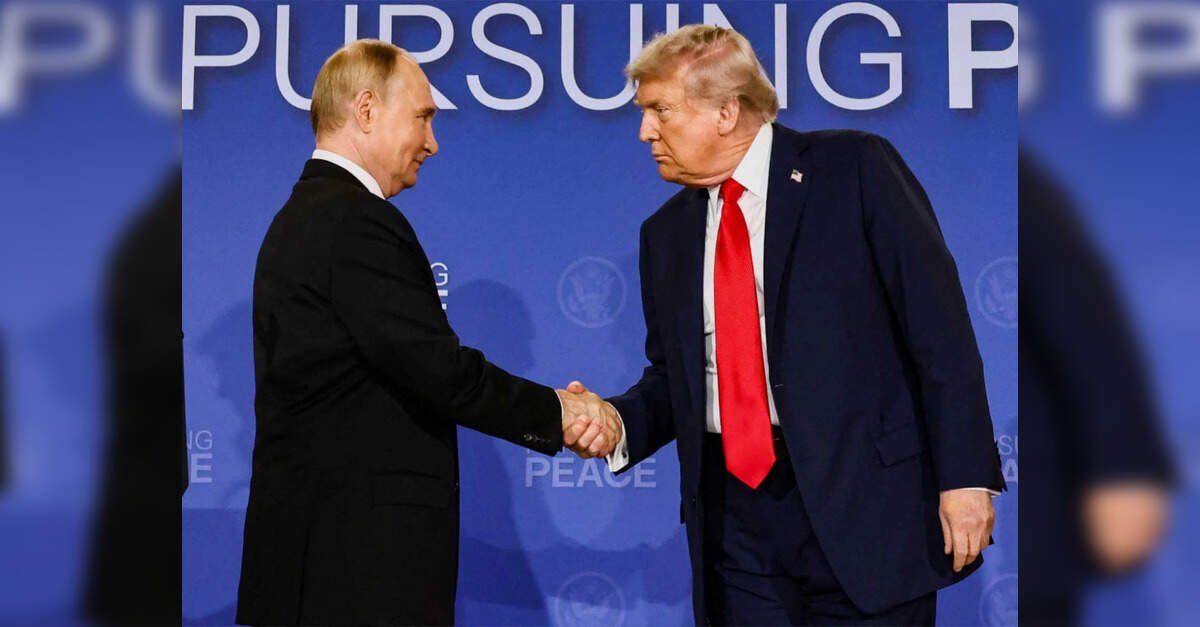
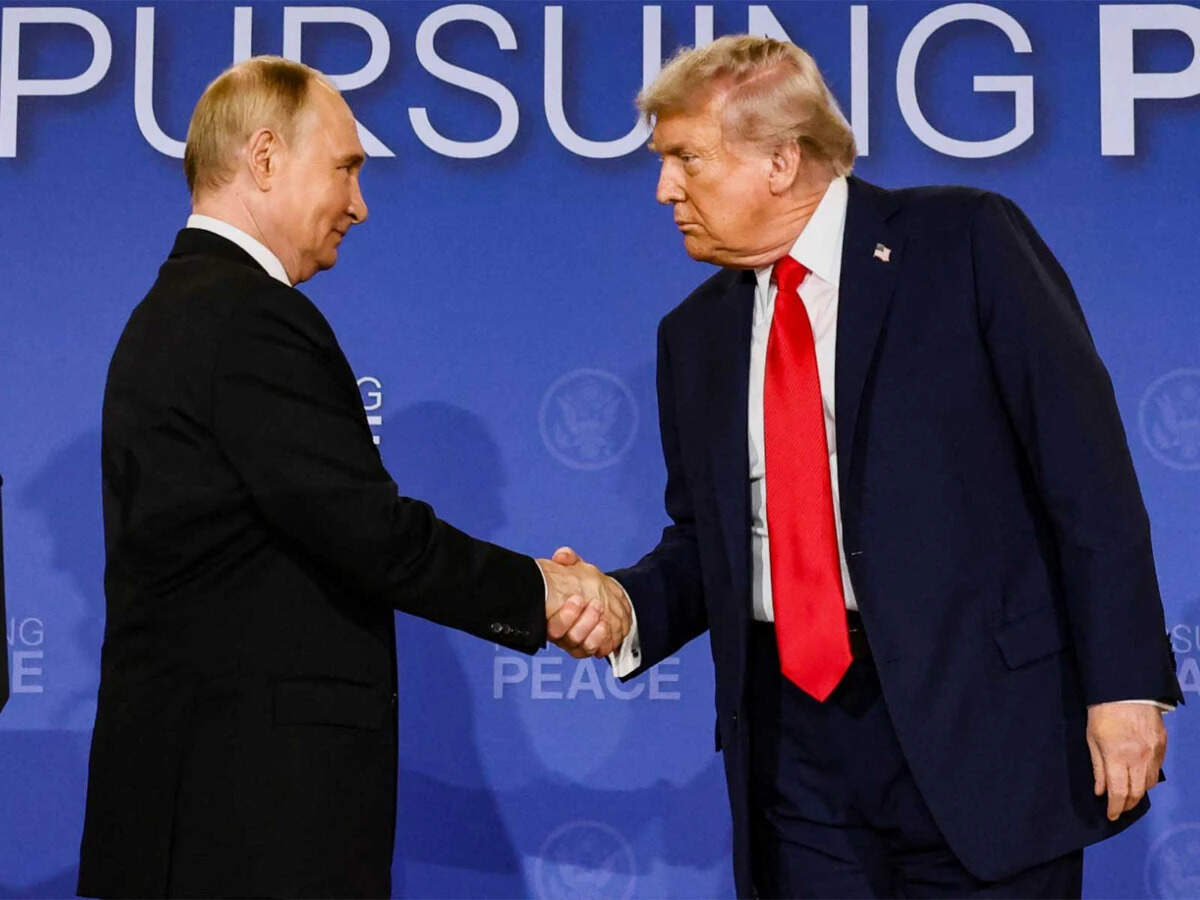
    Trump announced the agreement with Putin on October 9 after what he described as a successful conversation with the Russian president. Russia would immediately supply more than 300,000 tonnes of diesel, followed by another 500,000 tonnes in November and 1 million tonnes thereafter. A further 3 million tonnes could follow, depending on refinery conditions.

    Diesel powers American agriculture, trucking and parts of the heating sector. Its rising cost feeds into freight charges, food prices and inflation, making it a politically sensitive issue before voters decide whether Republicans retain control of Congress. Trump has described lower fuel prices for farmers, ranchers and truckers as a priority.

    The irony here is difficult to miss. The administration that argued Russian oil purchases helped finance Moscow’s war is now prepared to relax restrictions to secure Russian fuel for Americans. The economic logic is familiar to India, which imports most of its crude oil and cannot insulate its consumers from international price shocks.

    New Delhi’s argument has never been that Russia’s invasion of Ukraine is acceptable. It is that energy security, inflation and the purchasing power of hundreds of millions of people must count in decisions about where a country buys its fuel. Trump has learnt his India lesson the hard way when opinion polls suggest his popularity is dipping and high diesel prices just before midterm elections loom as a threat.

    A concession that may not deliver

    There is, however, a significant difference between announcing a deal and changing prices at the pump. Analysts doubted Russia could deliver the promised volumes easily, given damage to its refining infrastructure and restrictions on diesel exports. Russian export capacity has been disrupted by Ukrainian strikes, while Moscow has also imposed export restrictions to protect domestic supplies.

    The proposed shipments were unlikely to make a substantial difference to American diesel prices. Transporting fuel takes time, and the promised volumes remain small relative to global demand. The arrangement may offer some additional supply, but it cannot quickly reverse the damage caused by disruptions to energy production and shipping.

    That weakens the administration’s economic case for taking a politically costly decision that appears to benefit Putin. If the relief for American consumers proves modest, the diplomatic and legislative backlash could outlast any immediate price benefit.

    The legal battle could complicate India’s case

    Having learnt that people take precedence over geopolitics, will Trump now acknowledge India’s long-held concerns over oil? The biggest obstacle to any American concession to India may now be Trump’s own Congress.

    On October 11, seven senators, including Republicans Susan Collins, Lisa Murkowski, Thom Tillis and John Curtis, urged the administration to reverse the decision. Democrats Jeanne Shaheen, Richard Blumenthal and Ron Wyden also signed the statement, arguing that the 2022 ban on Russian energy imports was intended to prevent American money from financing Putin’s war. They accused the administration of failing to consult Congress or provide the explanation required by law.

    Tillis went further, saying there was a legitimate case that Trump was not following the law. Representative Brian Fitzpatrick has separately vowed to force a House vote to block Russian oil purchases. The opposition is particularly awkward for Trump because the sanctions legislation signed in September, named after the late Senator Lindsey Graham, allows tariffs of up to 100% on major buyers of Russian energy.

    However, Treasury Secretary Scott Bessent insists the administration has sufficient legal authority to proceed. The Treasury has temporarily suspended sanctions on Russian diesel exports until April 7, 2027, for fuel already loaded onto tankers by the specified deadline. But whether that exemption can withstand congressional scrutiny is a separate question from whether the administration believes it is justified.

    If Washington needs a special legal interpretation or a narrow exemption to buy Russian diesel, it will be harder to argue that India’s purchases must automatically attract punitive measures. Yet the reverse is also possible — congressional opposition could push Trump towards a tougher public stance on sanctions, even as his administration seeks flexibility for itself.

    Will India get a carve-out?

    India is watching how Washington structures the exemption. ET reported today that India was reviewing the implications of Trump’s announcement, with officials examining whether the US could create a specific concession for its own purchases without formally violating the Russia and Iran Sanctions Act. The administration has not reached a conclusive decision on a waiver for India, despite a September 30 conversation between Trump and Prime Minister Narendra Modi.

    For India, the stakes go beyond the immediate tariff bill. Energy purchases from Russia have provided an additional source of supply and helped Indian refiners manage costs. Some Russian crude is processed in India and the resulting refined products, including diesel, are exported to international markets. That creates a further complication for Washington. Former US diplomat Stephen Mull told The Times of India that India has its own leverage because some of the Russian crude it buys is refined into diesel that subsequently reaches American markets.

    Mull argued that India has options to respond if sanctions are imposed and that Trump would have to factor those possibilities into his calculations. Retaliation could deepen the damage to a bilateral relationship already strained by trade negotiations and disagreements over Washington’s approach to Pakistan.

    Washington may distinguish between crude oil purchases and a temporary arrangement involving diesel already loaded onto ships. That argument could matter legally but won’t erase the sheer political inconsistency.

    The hard lesson Trump may still refuse to acknowledge

    Trump’s decision does not necessarily mean he would now accept India’s argument. He could insist that America’s arrangement is temporary, narrowly defined and designed to address an exceptional supply crisis. He could also return to a harder sanctions policy once the immediate pressure on fuel prices eases after midterms.

    If fuel prices remain high, the administration will face pressure to find more supplies regardless of their origin. If prices fall, Trump may have greater room to restore restrictions and maintain pressure on countries buying Russian energy. Either way, the principle guiding policy appears less absolute than Washington previously suggested.

    Trump need not endorse India’s entire position on Russia to acknowledge that energy security cannot be judged by one standard for Washington and another for New Delhi. But with Republicans and Democrats questioning his diesel deal, a waiver of any sort for India may become politically harder to deliver.

    • Published On Oct 12, 2026 at 03:16 PM IST

    Join the community of 2M+ industry professionals.

    Subscribe to Newsletter to get latest insights & analysis in your inbox.

    All about ETEnergyworld industry right on your smartphone!

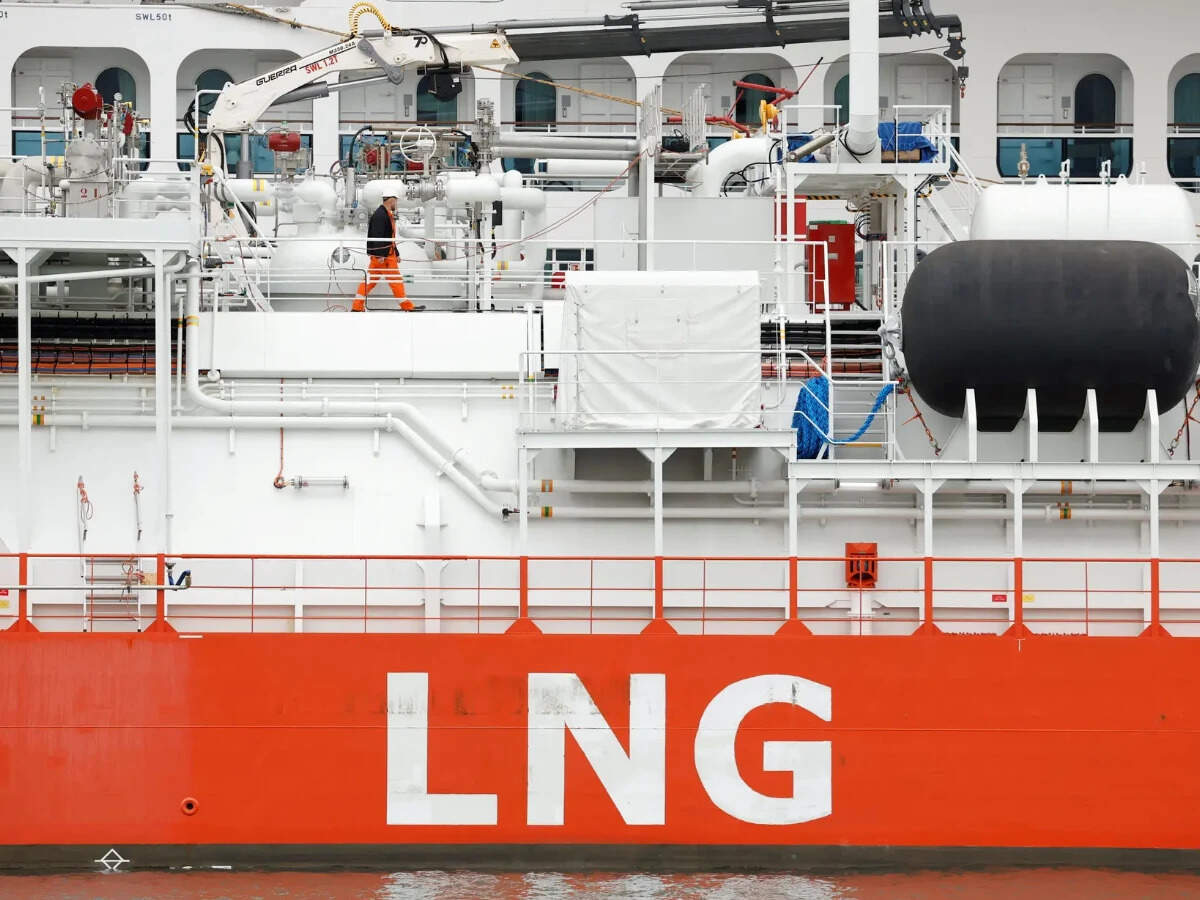
  • Emerging Asia's power-driven LNG demand at risk as renewables gain ground

    Emerging Asia's power-driven LNG demand at risk as renewables gain ground

    Falling renewable energy costs and volatile LNG prices are reshaping power investment plans across emerging Asia.
    Falling renewable energy costs and volatile LNG prices are reshaping power investment plans across emerging Asia.

    Emerging Asia is losing its appetite for liquefied natural gas to generate power as geopolitical shocks, equipment shortages and cheaper renewables derail projects, disappointing industry hopes that the region would drive the next wave of demand.

    Countries including Vietnam and the Philippines had planned new LNG import terminals and power plants to meet rising demand and transition from coal, but the market shocks of Russia’s 2022 Ukraine invasion and the ongoing US-Iran war sent prices soaring, exposing the risks of LNG reliance.

    Since then, several projects in the region have stalled while buildout plans for others have fallen behind targets, with a global gas turbine shortage contributing to the slowdown.

    With renewable generation costs falling, governments are accelerating their clean energy deployment to cut import fuel dependency. The International Energy Agency forecast in October that wind and solar energy will contribute 11 per cent of Southeast Asia’s energy mix by 2030, up from 5 per cent in 2025.

    “As gas project delays mount and supply chains tighten, policymakers are being forced to rethink not only the role of gas in the near term, but also the long-term pathways to achieving their energy transition goals,” said Wei Han Tan, Southeast Asia power and renewables analyst at Wood Mackenzie.

    “Countries will need to look elsewhere to meet rising demand”, he said, by adding to existing coal fleets and speeding up renewables deployment.

    Wood Mackenzie estimates that only 14.9 gigawatts of Southeast Asia’s planned 53 GW of gas-fired power projects in the pipeline will come online by 2030, with Vietnam seeing the biggest shortfall in projects, with 25.7 GW unlikely to start by then.

    Even before the Iran war, gas-fired power generation was losing ground across some emerging Asian economies, data from energy think tank Ember shows. Gas-fired power output has declined in Bangladesh, Pakistan and India in the last five years as coal and renewables expand, while gas has struggled to expand its share of China’s power mix.

    In Southeast Asia, gas generation volumes have been stable in the last decade, but have steadily lost share to expanding renewable capacity.

    Transition now

    Since the US-Israeli war on Iran began on February 28, emerging Asian markets have accelerated plans for alternative power sources. Bangladesh and Thailand announced solar rollout plans, while Vietnam is considering increasing coal-fired generation.

    Thailand, which imports a fifth of its LNG from Qatar, must secure alternative near-term supplies but speed its energy transition in the long run, its energy minister told Reuters last month.

    In the Philippines, rooftop solar installations to offset high electricity prices are rising, while at least three LNG-related projects there have been halted in the last two years.

    One project in the Philippines stalled after developer Energy World Corp sold the gas turbine for its power plant for nearly four times what it paid a decade ago, saying rapid renewable energy growth was reducing the need for gas-fired generation. The company intends to build the site as an import terminal, according to its website.

    Irtiza Sayyed, the chief executive of JERA Global Energy Solutions, said power infrastructure development in emerging economies has slowed as they compete globally with data centres for gas turbines. JERA is Japan’s top power generator and is looking to sell LNG in South and Southeast Asia.

    Reduce volatility

    To be sure, overall LNG demand in emerging Asia is still likely to rise as economies grow and domestic gas production wanes, with Wood Mackenzie forecasting Southeast Asian consumption rising to 39 million metric tons by 2028, from 27 million in 2025.

    LNG proponents also say gas is needed for grid reliability and flexible power generation, while planned data centre capacity could boost power-sector demand.

    But governments planning for the next decade will likely turn to additional renewable energy amid gas price uncertainty, said Rystad Energy analyst Lu Ming Pang.

    The firm has cut its long-term Asia LNG demand forecasts by 3 per cent for 2040, and 7 per cent by 2045, as countries including Vietnam and the Philippines have not secured sufficient LNG supply deals and infrastructure, while China accelerates its renewable energy buildout.

    • Published On Oct 12, 2026 at 02:06 PM IST

    Join the community of 2M+ industry professionals.

    Subscribe to Newsletter to get latest insights & analysis in your inbox.

    All about ETEnergyworld industry right on your smartphone!

  • Oilmax-Eleven Consortium wins Kutch offshore oil, gas block in DSF Round

    Oilmax-Eleven Consortium wins Kutch offshore oil, gas block in DSF Round

    ETEnergyWorld Desk

    Image for representational purposes only.
    Image for representational purposes only.

    The Oilmax-Eleven consortium has emerged as the winning bidder for the Kutch offshore oil and gas block under the Government of India’s latest Discovered Small Fields (DSF) bidding round, according to a release issued on Monday.

    The consortium secured the highest bid score in a competitive process, following which the Directorate General of Hydrocarbons (DGH), under the Ministry of Petroleum & Natural Gas, formally communicated the award through a Letter of Award (LOA).

    Under the joint venture structure, Oilmax Energy Private Ltd and Eleven, via SAS Infotech, will each hold an equal 50 per cent participating interest in the offshore block. The win marks Eleven’s entry into India’s upstream energy space while bolstering Oilmax’s exploration and production portfolio nationwide.

    Eleven, formerly known as SAS Group, was founded by Medanta co-founder Sunil Sachdeva and operates across healthcare, financial services, consumer technology, energy, and investments.

    The award comes against the backdrop of strategic energy security priorities for India, the world’s third-largest energy consumer, which currently imports nearly 90 per cent of its crude oil requirements and around half of its natural gas demand to meet expanding consumption.

    Emphasising the need to scale local output, Kapil Garg, Founder and Managing Director, Oilmax Energy, said “India’s energy demand will only rise as the economy continues to grow, and reliable, affordable energy is fundamental to sustaining that growth.”

    “Developing our domestic oil and gas resources is essential to reducing import dependence, improving energy security and creating long-term value for the country. We look forward to bringing our technical expertise and experience to this asset,” Garg said.

    Sunil Sachdeva, Co-founder, Medanta, and Chairman, Eleven, stated, “For India, energy security is no longer just an economic issue; it is a strategic one. The events of the last few years have shown how quickly global energy markets can be disrupted, which makes increasing domestic production critical.”

    Join the community of 2M+ industry professionals.

    Subscribe to Newsletter to get latest insights & analysis in your inbox.

    All about ETEnergyworld industry right on your smartphone!

  • Goldman Sachs lifts December 2026 Brent price forecast to $90/bbl

    Goldman Sachs lifts December 2026 Brent price forecast to $90/bbl

    • Published On Oct 12, 2026 at 01:08 PM IST
    Brent could fall into the $60-a-barrel range in 2027 if average Gulf output rises 1 million barrels per day above February 2026 levels.
    Brent could fall into the $60-a-barrel range in 2027 if average Gulf output rises 1 million barrels per day above February 2026 levels.

    Goldman Sachs raised its December 2026 Brent crude price forecast to $90 a barrel from $85, citing persistent supply risks that are likely to keep near-term oil market premiums elevated.

    “We maintain our base case that continued adaptation of Mideast supply will eventually reduce crude oil prices, while potential renewed escalation still poses significant net upside risk,” Goldman Sachs said in a note on Sunday.

    Goldman Sachs maintained its 2027 average Brent forecast of $80 a barrel and expects WTI prices to average $81 a barrel in December and $73 a barrel in 2027

    Brent could average around $125 a barrel in 2027 if average Gulf output that year remains 5 million barrels per day below February 2026 levels, compared with 0.3 million barrels per day below those levels in its base-case scenario – Goldman

    Conversely, Brent could fall into the $60s in 2027 if average Gulf output rises 1 million barrels per day above February 2026 levels – Goldman

    Oil prices slipped on Monday on expectations of more Russian supplies after US President Donald Trump said Ukraine and Russia had agreed to halt attacks on each other’s energy facilities following a US diesel-supply deal with Moscow

    “For investors seeking to hedge upside risk to oil prices, we still recommend long summer 2027 European gasoline positions. We recommend that oil producers hedge oil price downside with put spreads, which also leave exposure to price upside”, Goldman.

    • Published On Oct 12, 2026 at 01:08 PM IST

    Join the community of 2M+ industry professionals.

    Subscribe to Newsletter to get latest insights & analysis in your inbox.

    All about ETEnergyworld industry right on your smartphone!

  • Oil price on October 12: Crude oil dips to $103 despite simmering Iran war tensions

    Oil price on October 12: Crude oil dips to $103 despite simmering Iran war tensions

    Veer Sharma

    Trump announced the energy ceasefire on Sunday, following Friday’s announcement of the diesel-supply deal with Russia. Ukrainian President Volodymyr Zelenskiy said he was still awaiting details of the agreement, while Russia had not commented.
    Trump announced the energy ceasefire on Sunday, following Friday’s announcement of the diesel-supply deal with Russia. Ukrainian President Volodymyr Zelenskiy said he was still awaiting details of the agreement, while Russia had not commented.

    Oil prices fell on Monday as expectations of increased Russian supplies weighed on the market after US President Donald Trump said Ukraine and Russia had agreed to stop attacks on each other’s energy facilities. The announcement followed a US deal with Moscow to supply diesel.

    Trump announced the energy ceasefire on Sunday, following Friday’s announcement of the diesel-supply deal with Russia. Ukrainian President Volodymyr Zelenskiy said he was still awaiting details of the agreement, while Russia had not commented.

    Crude oil price on October 12

    Brent crude futures declined $1.42, or 1.36 per cent, to $103.35 a barrel, while US West Texas Intermediate crude fell $1.42, or 1.60 per cent, to $90.42 a barrel.

    Iran war tensions continue

    The ongoing conflict in the Middle East continued to support Brent crude above $100 a barrel. Yemen’s Houthis claimed responsibility for a strike on Riyadh’s international airport on Saturday that killed 13 people and wounded more than 300. Saudi authorities also reported injuries in another attack on the airport on Sunday.

    Trump said on Saturday that the United States was considering joining Saudi strikes against the Houthis, as the conflict spreads from the wider war with Iran launched by the US and Israel in February.

    Attacks on tankers passing through the Strait of Hormuz have also increased this month, threatening to undermine the recovery in Middle Eastern crude exports recorded in September. The United Kingdom Maritime Trade Operations reported over the weekend that a tanker was hit by a drone near the Sohar anchorage in Oman, while another vessel was damaged by an unknown projectile while transiting the Strait of Hormuz.

    Where are prices headed?

    Uncertainty over how the conflict will end remains a key concern for markets. JPMorgan analysts said they did not know how to model the eventual outcome, noting that the bank had initially assumed the US administration would avoid crossing certain economic thresholds when the conflict began. Six months into the war, many of those thresholds had been crossed, while a clear exit strategy remained absent.

    The growing threat of further supply disruptions has also raised the prospect of higher oil prices. Daan Struyven, co-head of global commodities research at Goldman Sachs, said recent attacks demonstrated how disruptions to shipping could spread and intensify. Goldman Sachs has outlined a scenario in which oil prices could climb to $120 a barrel if attacks on vessels in the Middle East escalate. If exports return to normal, the bank expects prices to move back towards $80 a barrel.

    Speaking to Bloomberg, Struyven said risks to shipping had become a major driver of oil prices. Goldman Sachs sees meaningful upside potential for crude and expects natural gas and refined product prices to rise as well. Struyven added that supply shocks affecting gas and fuels were larger than those in the crude oil market.

    Disclaimer: This article has been written by Veer Sharma, who is not a SEBI-registered Research Analyst or an Investment Adviser. Veer Sharma and his/her ‘relative(s)’ (as defined under Section 2(77) of the Companies Act, 2013) do not hold any financial interest in the companies mentioned in this article as of the date of publication. The views/recommendations mentioned in this article, wherever applicable, are those of the respective SEBI-registered Research Analyst/brokerage and have been reproduced/reported with due attribution. They should not be construed as the views or recommendations of The Economic Times Digital or the journalist. Readers are advised to consider the original research report and make their investment decisions based on their own assessment. Brokerage disclaimers here.

    Join the community of 2M+ industry professionals.

    Subscribe to Newsletter to get latest insights & analysis in your inbox.

    All about ETEnergyworld industry right on your smartphone!

  • Republican, Democratic US senators say Trump's diesel deal with Russia is illegal

    Republican, Democratic US senators say Trump's diesel deal with Russia is illegal

    • Published On Oct 12, 2026 at 07:40 AM IST
    US President Donald Trump’s plan to import Russian diesel has drawn objections from seven senators over its legality under sanctions law.
    US President Donald Trump’s plan to import Russian diesel has drawn objections from seven senators over its legality under sanctions law.

    Seven US senators from both parties issued a statement Sunday questioning the legality of President Donald Trump’s deal to allow Russian diesel exports despite a US ban in place since Moscow’s invasion of Ukraine.

    Trump on Friday announced an agreement with his Russian counterpart Vladimir Putin to release a massive quantity of diesel in exchange for temporarily easing US sanctions, a deal that drew swift backlash from Ukraine, the EU and several American lawmakers.

    “Congress explicitly banned Russian energy imports in 2022 to prevent American dollars from financing Putin’s brutal war against Ukraine,” the joint statement from the senators began.

    “Congress was clear: the US should not import oil from Russia until it ends its aggression against Ukraine and ceases threats against our NATO Allies.”

    The statement was co-signed by Democratic senators Jeanne Shaheen, Richard Blumenthal and Ron Wyden, and four Republican senators: Susan Collins, Lisa Murkowski, John Curtis and Thom Tillis.

    “President Trump’s decision to allow Russian diesel imports to the US runs directly counter to that law. The Administration has also failed to consult with Congress or submit any explanation to justify its decision as required by statute,” the statement continued.

    The senators condemned the decision to “provide Putin with a financial lifeline while Russia continues to kill Ukrainian civilians” and urged the Trump administration to “immediately reverse course.”

    Treasury Secretary Scott Bessent defended the deal Sunday, telling Fox News in an interview: “We are going to do it with all the legal authorities we have.”

    • Published On Oct 12, 2026 at 07:40 AM IST

    Join the community of 2M+ industry professionals.

    Subscribe to Newsletter to get latest insights & analysis in your inbox.

    All about ETEnergyworld industry right on your smartphone!

  • Russia partially lifts diesel export ban after Putin-Trump deal to supply US, global markets

    Russia partially lifts diesel export ban after Putin-Trump deal to supply US, global markets

    • Published On Oct 12, 2026 at 07:37 AM IST
    “Production volumes are sufficient to meet both domestic demand in full and exports to the global market in the specified volumes,” Deputy Prime Minister Alexander Novak said in a statement.

    The Russian government said on Saturday it had partially lifted a ban on diesel exports with immediate effect, following an agreement between President Vladimir Putin and US President Donald Trump for Russia to supply the US and global markets.

    “Production volumes are sufficient to meet both domestic demand in full and exports to the global market in the specified volumes,” Deputy Prime Minister Alexander Novak said in a statement.

    • Published On Oct 12, 2026 at 07:37 AM IST

    Join the community of 2M+ industry professionals.

    Subscribe to Newsletter to get latest insights & analysis in your inbox.

    All about ETEnergyworld industry right on your smartphone!

  • RBI to meet daily dollar needs of 3 state-run oil firms to ease rupee pressure

    RBI to meet daily dollar needs of 3 state-run oil firms to ease rupee pressure

    The RBI will supply dollars to Indian Oil, BPCL and HPCL through designated banks to reduce pressure on the rupee.
    The RBI will supply dollars to Indian Oil, BPCL and HPCL through designated banks to reduce pressure on the rupee.

    The Reserve Bank of India (RBI) has announced that it will meet the entire daily dollar requirements of Indian Oil, Bharat Petroleum and Hindustan Petroleum from October 12, taking one of the foreign-exchange market’s largest recurring sources of dollar demand off the market as it seeks to ease pressure on the rupee.

    The three state-run refiners and oil marketing companies (OMCs) could need roughly $200 million daily for crude and petroleum imports, according to estimates based on August trade data. However, actual amounts could vary based on their crude sourcing, payment currencies and settlement terms, particularly for Russian oil, payments for which are largely made in UAE dirhams or rupees.

    Under the special window, the RBI will sell dollars to the three companies through designated banks at prevailing market rates, allowing them to meet their foreign-currency requirements without having to compete for dollars in the spot market. In April, the central bank had similarly directed OMCs to meet their dollar requirements through designated banks, according to industry executives.

    The measure, they said, is aimed primarily at reducing pressure on the rupee rather than addressing any shortage of dollars for oil companies. The companies have continued to obtain foreign currency from the market, although the cost of sourcing dollars has risen as market conditions have tightened. The rupee closed at 96.74 against the US dollar on Friday.

    “The immediate impact should be to remove a large and predictable source of dollar demand from the market,” a treasury head at a private bank said on condition of anonymity. “If the window continues while pressure on the rupee remains elevated, it should help smooth volatility and reduce the impact of large oil-related flows on the currency.”

    Oil companies are among the biggest regular buyers of foreign currency because India relies on imports for the bulk of its crude requirement. Their dollar purchases can become particularly significant during periods of rupee weakness, when importers seeking to cover their requirements add to demand for the US currency.

    India imported about 23 million tonnes of crude oil worth $11.7 billion in August, translating into an average import bill of roughly $377 million a day. Indian Oil, Bharat Petroleum and Hindustan Petroleum together processed about 55 per cent of the crude handled by Indian refiners during the month, indicating a daily crude import bill of around $207 million, assuming a similar share of imports. However, not all of this translates into direct dollar demand.

    Industry executives said most purchases of Russian crude are currently settled in UAE dirhams or rupees. Russian oil accounted for about 45 per cent of India’s crude imports in August. Assuming that no payment was made in dollars for Russian oil, the three state-owned companies’ direct dollar requirement for crude payments can be estimated at roughly $114 million a day, given that their sourcing mix broadly mirrors the industry.

    Even payments made in dirhams can indirectly feed into the dollar market because of the UAE currency’s peg to the US dollar and the way banks manage the underlying foreign-exchange transactions, executives said.

    The OMCs also require foreign currency to pay for imports of refined petroleum products, primarily liquefied petroleum gas, as well as catalysts, equipment and some capital expenditure.

    Join the community of 2M+ industry professionals.

    Subscribe to Newsletter to get latest insights & analysis in your inbox.

    All about ETEnergyworld industry right on your smartphone!

  • India awaits how Trump will route diesel buy from Russia

    India awaits how Trump will route diesel buy from Russia

    Dipanjan Roy Chaudhury

    India is assessing the implications of US plans to buy Russian diesel as Washington weighs sanctions over New Delhi’s Russian oil imports.
    India is assessing the implications of US plans to buy Russian diesel as Washington weighs sanctions over New Delhi’s Russian oil imports.

    India is studying and reviewing President Donald Trump‘s announcement of the US decision to purchase diesel from Russia, even as Washington threatens to impose 100 per cent tariffs on India under the Russia and Iran Sanctions Act for purchasing Russian oil.

    Trump’s decision to purchase Russian diesel may not explicitly violate the Russia and Iran Sanctions Act, and Washington may devise a concession for itself, senior sources, speaking on condition of anonymity, told ET. The move to purchase Russian diesel while sanctioning India for buying Russian oil may appear hypocritical. However, the Trump administration may carve out an exemption to implement its decision to import Russian diesel, sources explained.

    India is carefully studying Trump’s announcement and its implications for the country’s energy purchases from Moscow, sources added. While Trump’s phone call with Prime Minister Narendra Modi on September 30 was described as good, the Trump administration has not taken a conclusive decision yet on any waiver under the Russia and Iran Sanctions Act (SRIA).

    During several conversations with the US over the past few months, New Delhi had explained to its interlocutors that sanctioning India under SRIA would adversely affect bilateral ties, which have already been strained by delays in concluding a trade pact and growing US-Pakistan ties.

    Under the agreement with President Vladimir Putin, Russia will immediately supply more than 300,000 tonnes of diesel, followed by another 500,000 tonnes in November, then 1 million tonnes “immediately thereafter” and a further 3 million tonnes, depending on refinery conditions, according to the US President.

    The move is being seen as an outreach to American voters ahead of the midterm elections.

    Between our TOTAL CONTROL of the Strait of Hormuz, and this great announcement on Russian Energy, Diesel Prices for Americans and, indeed, the World, will be COMING DOWN, IN RECORD NUMBERS, AND FAST! Lower prices for Americans, especially our Great Farmers, Ranchers, and Truckers, is my Greatest Priority. This is a very big and important announcement,” the US President Donald Trump wrote on Truth Social.

    Diesel prices in the US and Europe have risen amid fuel supply constraints through Hormuz. Attacks on Russia’s oil and gas infrastructure have further complicated the situation. Trump has, in fact, advised the Ukrainian President to stop attacks on Russia’s oil infrastructure.

    Join the community of 2M+ industry professionals.

    Subscribe to Newsletter to get latest insights & analysis in your inbox.

    All about ETEnergyworld industry right on your smartphone!

  • India-Norway energy ties broadening, LNG supplies have begun, says Norwegian official

    India-Norway energy ties broadening, LNG supplies have begun, says Norwegian official

    Dipanjan Roy Chaudhury

    Norway's State Secretary Astrid Bergmal highlighted the expanding India-Norway energy partnership during her visit to India. This partnership includes LNG supplies, renewable energy, and green hydrogen initiatives.
    Norway’s State Secretary Astrid Bergmal highlighted the expanding India-Norway energy partnership during her visit to India. This partnership includes LNG supplies, renewable energy, and green hydrogen initiatives.

    New Delhi: Norway’s State Secretary for the Ministry of Foreign Affairs, Astrid Bergmal, who was in India this week for the first anniversary of the India-EFTA TEPA, has told ET that the India-Norway energy partnership is becoming broader and more future-oriented, with Oslo launching LNG supplies to India this year.

    “Our cooperation is expanding across several areas, including renewable energy, green hydrogen, offshore wind and green shipping. Norwegian companies are contributing technology, investment and specialised expertise that can support India’s energy transition and climate ambitions,” Bergmal said when asked about the growing India-Norway energy partnership.

    “A good example is Equinor, which is working with Indian partners on renewable energy and low-carbon solutions. Earlier this year, we witnessed an energy milestone when Equinor’s first LNG delivery arrived in Gujarat, marking the beginning of a 15-year LNG supply agreement.”

    Norway is the second-biggest economy in EFTA after Switzerland.

    Referring to the India-EFTA TEPA, Bergmal said, “One of the most encouraging developments has been the way business interest is translating into measurable commercial activity. While it is still early days, we are already seeing tangible results in several sectors. Seafood is a strong example. The value of Norwegian seafood exports to India grew by 24 per cent between October 2025 and August 2026 compared with the same period a year earlier. For salmon alone, exports increased by 143 per cent. Improved market access under TEPA has played a vital role in this growth.”

    “We are also seeing significant interest in sectors such as renewable energy, maritime technology, water and waste management, digital solutions, manufacturing and health technology.”

    Around 160 Norwegian companies are already doing business in India. TEPA has further strengthened this engagement by increasing predictability and business confidence.

    Join the community of 2M+ industry professionals.

    Subscribe to Newsletter to get latest insights & analysis in your inbox.

    All about ETEnergyworld industry right on your smartphone!