Category: Oil and Gas

  • Crude oil futures brace for volatility amid geopolitical uncertainties: Analysts

    Crude oil futures brace for volatility amid geopolitical uncertainties: Analysts

    Crude oil futures are expected to experience volatility next week stemming from US-Iran negotiations and escalation in West Asia. Investors will monitor oil market reports from OPEC and the International Energy Agency for insights.
    Crude oil futures are expected to experience volatility next week stemming from US-Iran negotiations and escalation in West Asia. Investors will monitor oil market reports from OPEC and the International Energy Agency for insights.

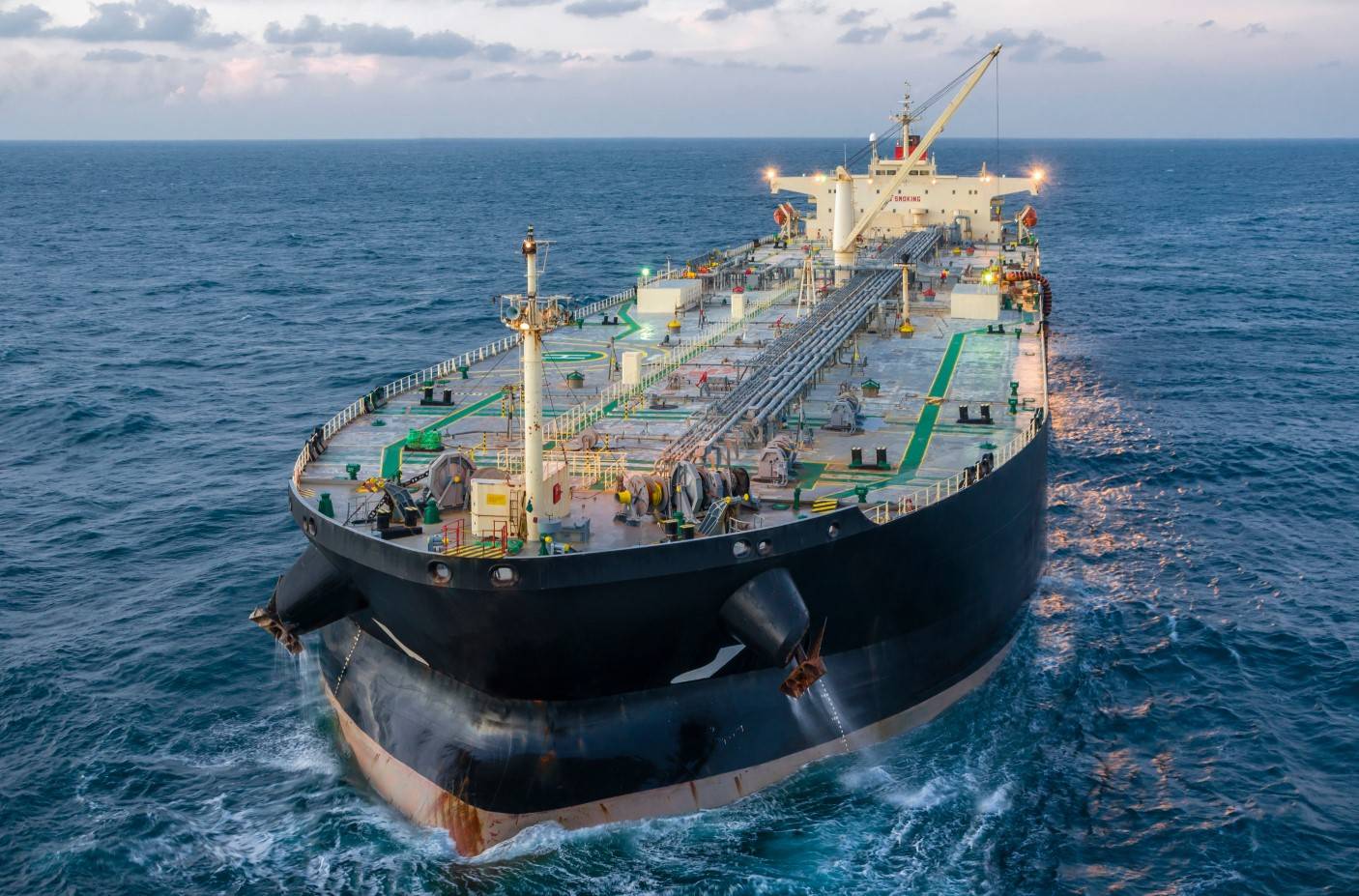
    Crude oil futures are likely to remain volatile next week as uncertainty over US-Iran negotiations and escalating tensions in West Asia keep supply risks elevated, even as hopes of a deal to reopen the Strait of Hormuz offer scope for a correction, analysts said.

    Investors will track the monthly oil market reports from the Organization of the Petroleum Exporting Countries and the International Energy Agency, along with the American Petroleum Institute’s weekly inventory numbers and US government data on crude inventories and imports, they added.

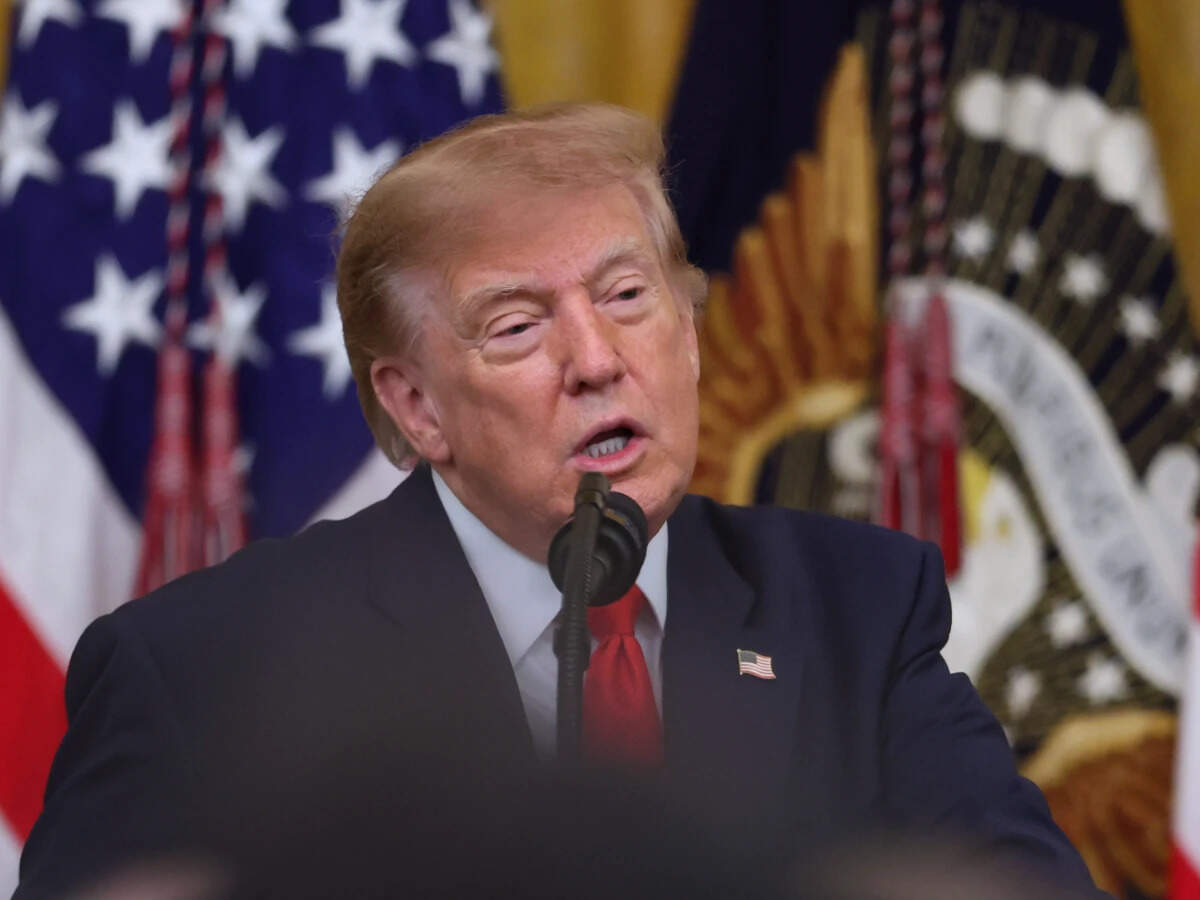
    The geopolitical situation remains fluid after US President Donald Trump said Washington was considering joining Saudi strikes against Iran-backed Houthi rebels in neighbouring Yemen, following an attack on Riyadh’s international airport.

    “The widening conflict has heightened concerns over energy shipments through the region, including the strategic Bab el-Mandeb Strait,” said Navneet Damani, Head of Research – Commodities at Motilal Oswal Financial Services Ltd.

    On the Multi Commodity Exchange (MCX), crude oil futures for October delivery fell ₹35, or 0.4 per cent, last week to settle at ₹8,881 per barrel. The November contract, however, gained ₹82, nearly 1 per cent, to close at ₹8,828 per barrel.

    “Crude oil is caught between diplomatic optimism and persistent physical supply risks. MCX crude holding above ₹8,500, against pre-war levels near ₹6,500, highlights the significant supply-risk premium still embedded in prices,” Damani said.

    He added that any positive response from Iran to the US proposal could trigger further near-term correction, but past experience shows that diplomatic progress alone rarely ensures a lasting recovery in supplies.

    Earlier, Trump said discussions between Washington and Tehran were constructive, and the US would not launch a military strike against Iran before the November 3 midterm elections.

    “Globally, developments around US-Iran diplomacy and crude oil prices will remain critical. Any progress on a framework for reopening the Strait of Hormuz could ease energy prices and provide some relief to India’s import bill and the rupee, while renewed geopolitical tensions could keep volatility elevated,” Ajit Mishra, SVP – Research, Religare Broking, said.

    Iran, meanwhile, is evaluating the US response to its proposal on reopening the Strait of Hormuz.

    Damani said the Strait of Hormuz remained severely constrained, with September’s recovery in exports largely driven by alternative routes that are costly, stretched and vulnerable to disruption.

    In global markets, Brent futures for December delivery rose $2.47, or 2.41 per cent, to $104.72 per barrel, while West Texas Intermediate crude gained 1 per cent to settle at $91.85 per barrel in New York.

    The volatility in oil prices was also driven by the production disruptions in the US Gulf of Mexico due to hurricane-related shutdowns, which supported WTI prices, helping the contract recover from earlier losses on Friday. This support could fade as production resumes, Damani said.

    On the near-term outlook, he said that global supply expectations continue to be revised lower, with a meaningful recovery in Gulf supplies uncertain before 2027.

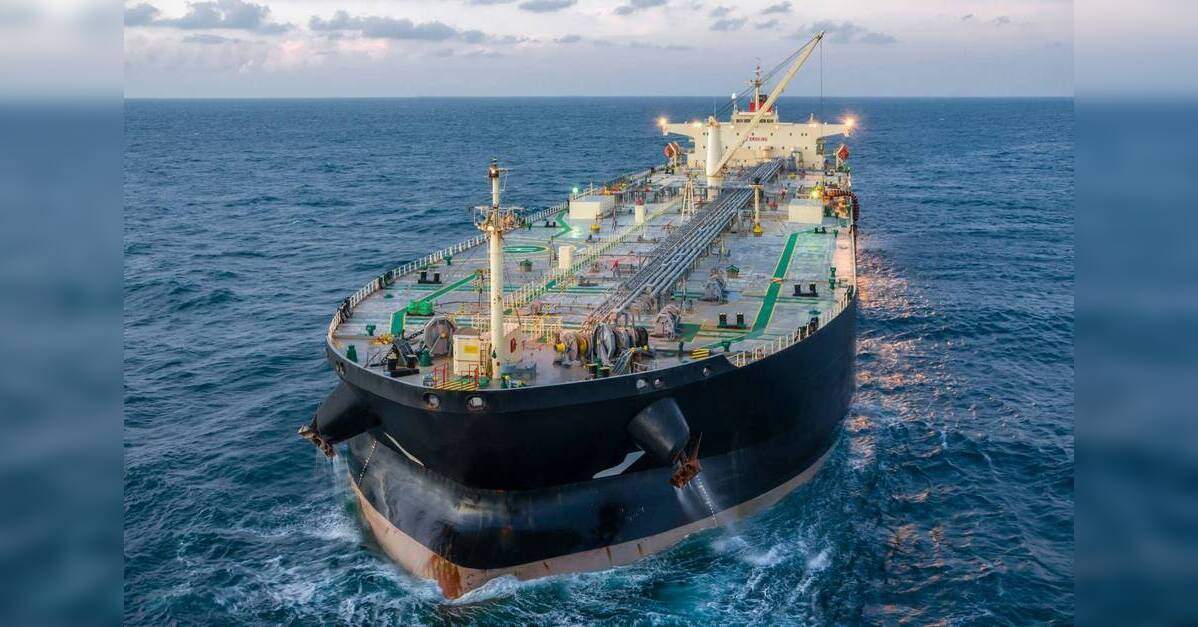
    According to Choice Broking, escalating tensions in West Asia disrupted global logistics; attacks on 11 tankers in the Strait of Hormuz drove freight rates to record highs and caused severe shipping bottlenecks.

    However, gains in oil prices were capped after the US Treasury issued a temporary licence allowing Russia to release 22.5 million barrels of diesel into global markets, while diplomatic de-escalation talks involving Western allies and Ukraine in Miami offered some relief, the brokerage firm said.

    • Published On Oct 11, 2026 at 02:58 PM IST

    Join the community of 2M+ industry professionals.

    Subscribe to Newsletter to get latest insights & analysis in your inbox.

    All about ETEnergyworld industry right on your smartphone!

  • GAIL launches Season 2 of ‘Wah Kya Energy Hai’ campaign with new anthem

    GAIL launches Season 2 of ‘Wah Kya Energy Hai’ campaign with new anthem

    • Published On Oct 11, 2026 at 02:02 PM IST
    GAIL (India) has launched the second season of its consumer awareness campaign called Wah Kya Energy Hai. The campaign includes four short films and a new anthem promoting cleaner energy options.
    GAIL (India) has launched the second season of its consumer awareness campaign called Wah Kya Energy Hai. The campaign includes four short films and a new anthem promoting cleaner energy options.

    GAIL (India) Limited has launched the second season of its consumer awareness campaign, Wah Kya Energy Hai, with four short films and a new anthem titled Naye Bharat Ki Nayi Energy. The campaign promotes cleaner energy options, including compressed natural gas (CNG), piped natural gas (PNG), liquefied natural gas (LNG) and compressed biogas (CBG), through stories based on everyday situations. The new season is available on GAIL’s official YouTube channel.

    GAIL uses everyday stories to promote clean energy

    Season 2 follows the Mishra family as they navigate familiar situations, including a trip to Varanasi, a boat ride, family celebrations, visits to relatives and an event at Senior Mishra’s factory.

    Each of the four films uses humour and everyday storytelling to highlight how cleaner fuels can be used in homes, businesses, industries and transportation. The episodes focus on different applications of natural gas, including Domestic PNG (D-PNG), Commercial PNG (C-PNG), Industrial PNG (IPNG), CNG and LNG.

    Each film runs for approximately eight to 10 minutes. According to GAIL, the latest season builds on the first instalment with changes to its production, visuals and storytelling. The campaign also covers CBG, which is produced from organic waste and other biodegradable materials.

    Alongside the films, GAIL has released Naye Bharat Ki Nayi Energy, an anthem running for more than four minutes. The music video showcases the company’s energy infrastructure and solutions, including India’s first floating CNG station in Varanasi and its initiatives in compressed biogas.

    GAIL is distributing the anthem through music-streaming platforms such as Spotify, Amazon Music, Gaana and JioSaavn. The company is also using short videos, digital banners and interactive activities to expand the campaign’s reach.

    Ayush Gupta, Director (HR) at GAIL, who also leads Corporate Communications and Branding, said the campaign aims to increase awareness of cleaner energy choices and environmental responsibility. “Wah Kya Energy Hai Season 2, along with our anthem Naye Bharat Ki Nayi Energy, is an endeavour to kindle greater awareness about clean energy choices and environmental responsibility among consumers. Through logical, grounded and relatable storytelling, we aim to encourage Indians to make smarter, future-ready fuel choices and understand how cleaner energy can positively impact both the environment and everyday life. We have also consciously brought Gen Z into the communication, recognising that the youth are not only the consumers of tomorrow but also important catalysts for the energy transition.”

    The campaign also features actors Srikant Verma, Divya Jagdale, Luv Vispute and Ahmed Khan across the four films.

    • Published On Oct 11, 2026 at 02:02 PM IST

    Join the community of 2M+ industry professionals.

    Subscribe to Newsletter to get latest insights & analysis in your inbox.

    All about ETEnergyworld industry right on your smartphone!

  • US releases 4 million barrels from strategic oil reserves for ExxonMobil, BP amid Hurricane Isaias disruptions

    US releases 4 million barrels from strategic oil reserves for ExxonMobil, BP amid Hurricane Isaias disruptions

    The United States authorised the release of up to four million barrels of crude oil from its Strategic Petroleum Reserve to help ExxonMobil and BP maintain refinery operations amid supply disruptions caused by Hurricane Isaias.
    The United States authorised the release of up to four million barrels of crude oil from its Strategic Petroleum Reserve to help ExxonMobil and BP maintain refinery operations amid supply disruptions caused by Hurricane Isaias.

    Washington: The United States on Saturday authorized the release of up to four million barrels of crude oil from its strategic reserves to offset supply disruptions caused by storm Isaias in the country’s southeast.

    As part of the “emergency exchange,” ExxonMobil and BP American can each receive up to two million barrels “to help maintain refinery operations,” Energy Secretary Chris Wright was quoted as saying in a statement released by his department.

    The two oil giants will be required to return crude to the Strategic Petroleum Reserve (SPR) in 2027, contributing a “premium” amount beyond what was borrowed, the Department of Energy said.

    Oil production in the US Gulf coast region has been severely disrupted by Isaias, which made landfall in Florida on Friday as a Category 2 hurricane.

    The SPR has already been tapped since the US war with Iran shocked energy markets, with the backstock reaching its lowest level since 1982.

    Since the US and Israel launched strikes on Iran in late February, 132 million barrels have been withdrawn from the 415 million in reserve. Washington has pledged to gradually release 172 million barrels.

    • Published On Oct 11, 2026 at 10:22 AM IST

    Join the community of 2M+ industry professionals.

    Subscribe to Newsletter to get latest insights & analysis in your inbox.

    All about ETEnergyworld industry right on your smartphone!

  • MP & former FS Harsh Vardhan Shringla emphasises India's need for Russian oil during talks with Australian prime minister on energy security

    MP & former FS Harsh Vardhan Shringla emphasises India's need for Russian oil during talks with Australian prime minister on energy security

    A representative picture.
    A representative picture.

    New Delhi: Rajya Sabha MP and member of the parliamentary committee on external affairs Harsh Vardhan Shringla has highlighted the significance of Russian oil supplies in the interests of India’s 1.4 billion people and to keep global energy prices under control.

    Speaking alongside former Australian prime minister Kevin Rudd at a conversation at the Asia Policy Society Institute this week, former foreign secretary Shringla referred to the various US sanctions India had faced over its energy imports.

    Responding to a question from Rudd on the status of India-US trade talks, Shringla said they appeared to have reached an impasse, with US trade representative Jamieson Greer saying a conclusion was not imminent and finance minister Nirmala Sitharaman observing that the talks had hit a plateau.

    Shringla said the issue appeared to be uncertainty over the actual tariffs India would face.

    Referring to Rudd’s comment about a Damocles’ sword, Shringla said several such swords were hanging over India, including at least two ongoing Section 301 investigations—into forced labour and overcapacity—and the threat of 100 per cent duties under the Russian oil sanctions Act.

    “So you could conclude a trade deal and then end up having to pay much higher duties through ongoing and future coercive actions,” Shringla said, recalling that he had told a US envoy, when he was foreign secretary, that India was familiar with US sanctions, all of which had come at considerable cost.

    He referred to the withdrawal, during Trump’s first term, of the US exemption that allowed India to import Iranian oil, the sanctions on Venezuelan oil in 2019, and pressure on India to stop buying Russian oil following the outbreak of the Ukraine conflict.

    India had to keep the energy security of its 1.4 billion people in mind and make decisions accordingly, Shringla said. Moreover, if India, one of the world’s largest energy importers, stopped buying Russian oil, it would affect global oil prices, he added.

    Shringla’s remarks assume significance against the backdrop of the US president’s sudden announcement of a purchase of Russian diesel following a phone call with Russian President Vladimir Putin.

    Asked about India-China relations, Shringla pointed to Chinese President Xi Jinping’s recent visit to India for the Brics summit, the first by a Chinese leader in seven years.

    “It took several rounds of deliberations at the military level alongside special representatives’ dialogues, culminating in a satisfactory resolution in October 2024, translating shared intent into concrete progress through the systematic disengagement of forces across friction areas in eastern Ladakh. Leadership-level engagement reinforced this track.”

    On the normalisation of relations between India and China, Shringla emphasised that the process rested on durable peace and tranquillity in the border areas, which remained the foundation.

    The second element, he said, was deeper and more balanced economic integration. He stressed that a relationship of this scale could be sustained only if the trade imbalance narrowed through greater market access for goods and services and a more reciprocal investment climate.

    Join the community of 2M+ industry professionals.

    Subscribe to Newsletter to get latest insights & analysis in your inbox.

    All about ETEnergyworld industry right on your smartphone!

  • Reserve Bank of India opens special dollar window for state-run oil marketing companies

    Reserve Bank of India opens special dollar window for state-run oil marketing companies

    • Published On Oct 11, 2026 at 10:11 AM IST
    A representative picture
    A representative picture

    The Reserve Bank of India (RBI) opens a designated foreign exchange window to fulfill the complete daily dollar requirements of state-run oil refiners, according to an official statement issued by the central bank.

    The intervention applies specifically to three public sector oil marketing companies: Indian Oil Corporation Limited, Bharat Petroleum Corporation Limited, and Hindustan Petroleum Corporation Limited.

    “On the basis of assessment of current market conditions, Reserve Bank of India has decided to open a special window to meet the entire daily dollar requirements of three public sector oil marketing companies (OMCs),” the central bank stated in its document.

    The facility will begin operations from October 12, 2026, which falls on a Monday, and will continue to operate until further notice, the central bank confirmed.

    Under the operational framework, the central bank will conduct sales of US dollars to these state refiners via designated banks rather than direct open-market bidding by the fuel retailers.

    “Under the facility, the Reserve Bank will undertake sale of USD to the public sector OMCs through designated bank/s,” the RBI stated.

    The decision follows the central bank’s internal review and evaluation of prevailing conditions in the currency and financial markets.

    “The facility will come in effect from October 12, 2026 (Monday) and will remain in place until further notice,” the Reserve Bank added in the statement.

    The designated mechanism covers all foreign exchange requirements needed on a daily basis by Indian Oil Corporation Limited, Hindustan Petroleum Corporation Limited, and Bharat Petroleum Corporation Limited. The institutional arrangement channels their foreign currency demand entirely through authorized dealer banks designated for the transactions.

    • Published On Oct 11, 2026 at 10:11 AM IST

    Join the community of 2M+ industry professionals.

    Subscribe to Newsletter to get latest insights & analysis in your inbox.

    All about ETEnergyworld industry right on your smartphone!

  • PM Modi to launch ₹13,000 crore projects across Tamil Nadu on October 11

    PM Modi to launch ₹13,000 crore projects across Tamil Nadu on October 11

    ET Infra Desk

    According to an official press release by the Prime Minister’s Office, the projects include the Poonamallee-Vadapalani stretch of the second phase of the Chennai Metro Rail Project, built at a cost of around ₹4,900 crore, and national highway works worth around ₹3,700 crore.
    According to an official press release by the Prime Minister’s Office, the projects include the Poonamallee-Vadapalani stretch of the second phase of the Chennai Metro Rail Project, built at a cost of around ₹4,900 crore, and national highway works worth around ₹3,700 crore.

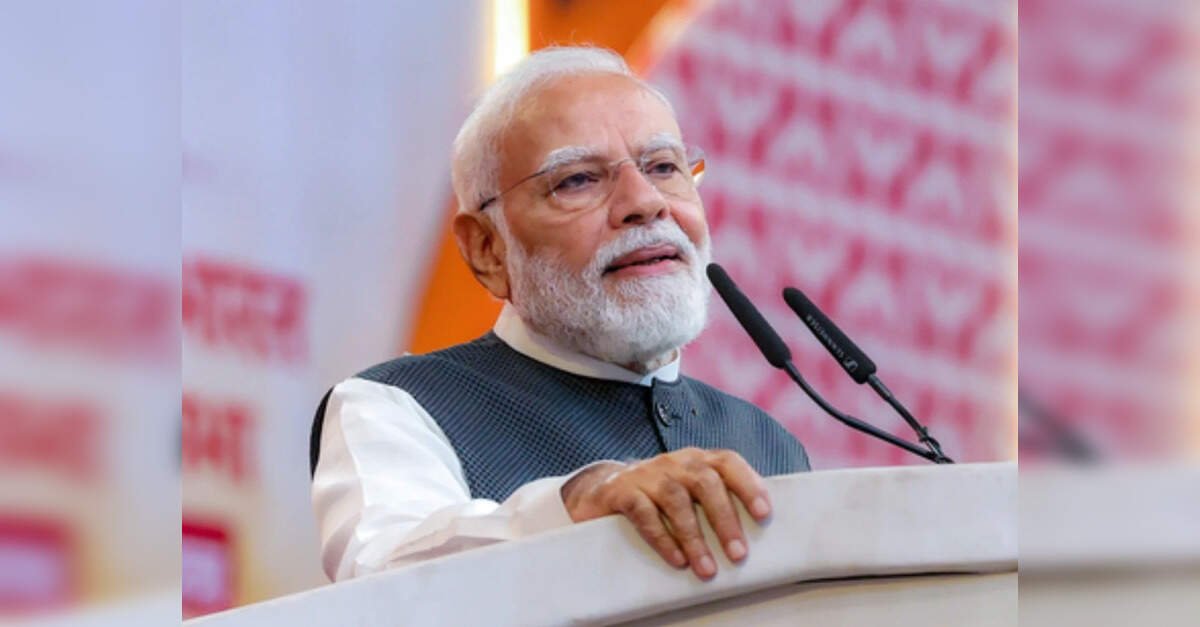
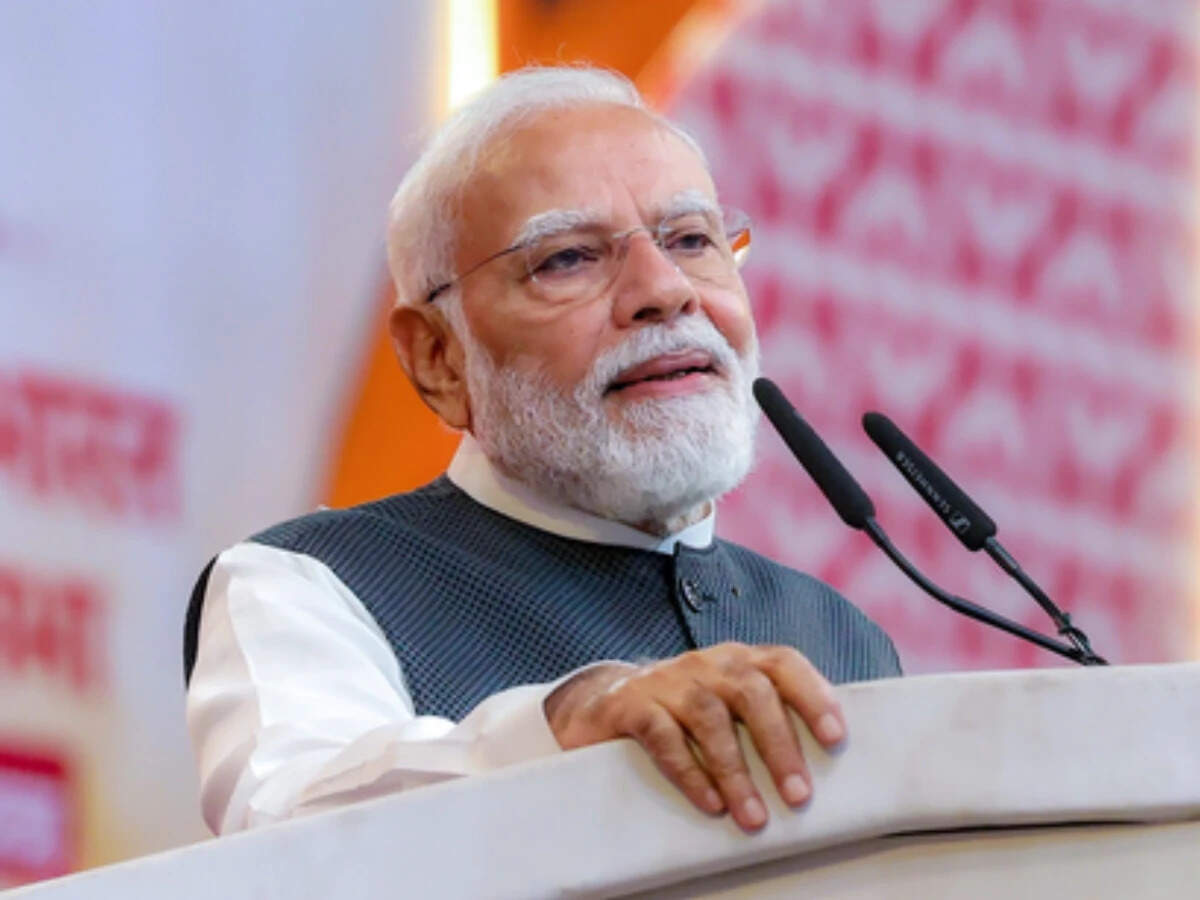
    Prime Minister (PM) Narendra Modi will inaugurate, dedicate and lay the foundation stone for development projects worth over ₹13,000 crore in Tamil Nadu on October 11, 2026, spanning metro rail, highways, railways, ports, petroleum and education.

    According to an official press release by the Prime Minister’s Office, the projects include the Poonamallee-Vadapalani stretch of the second phase of the Chennai Metro Rail Project, built at a cost of around ₹4,900 crore, and national highway works worth around ₹3,700 crore.

    The metro corridor features a 3.7-km double-decker structure and advanced signalling systems designed to support driverless operations. It is expected to improve connectivity between Chennai’s western suburbs and the city centre, while reducing travel time for commuters, added the release.

    Among the highway projects, PM Modi will inaugurate the 36-km, four-laned Vadugapatti-Therkuvenganallur section of NH-744 and a 30-km, four-laned section of Madurai Ring Road on NH-744A. He will also lay the foundation stone for the four-lane Thiruvarur Bypass on NH-83.

    The railway projects worth over ₹750 crore include the Karaikal-Peralam railway line, three rail flyovers in and around Coimbatore, and five redeveloped Amrit stations at Palani, Vellore Cantonment, Ambasamudram, Paramakkudi and Namakkal.

    Port, petroleum projects in focus

    The Prime Minister will also inaugurate four infrastructure projects at Chennai Port, including a paved storage yard, four export-import godowns, an upgraded cruise terminal and a seafarers club.

    At V O Chidambaranar Port, he will inaugurate and lay the foundation stone for eight development projects aimed at expanding cargo and container capacity, supporting cleaner maritime energy and improving logistics.

    At Kamarajar Port, he will inaugurate the Coal Berth-3 project and lay the foundation stone for capital dredging works for container terminal phase-I, stage-II.

    PM Modi will further lay the foundation stone for a ₹1,620-crore Group II/III Lube Oil Base Stocks project at Chennai Petroleum Corporation’s existing Manali refinery.

    With a planned capacity of 270,000 tonnes per annum, the project aims to produce base stocks used in premium-quality lubricants.

    Join the community of 2M+ industry professionals.

    Subscribe to Newsletter to get latest insights & analysis in your inbox.

    All about ETEnergyworld industry right on your smartphone!

  • UP approves two free LPG refills for Ujjwala beneficiaries in FY27

    UP approves two free LPG refills for Ujjwala beneficiaries in FY27

    • Published On Oct 10, 2026 at 12:27 PM IST
    • Read by 100 Professionals
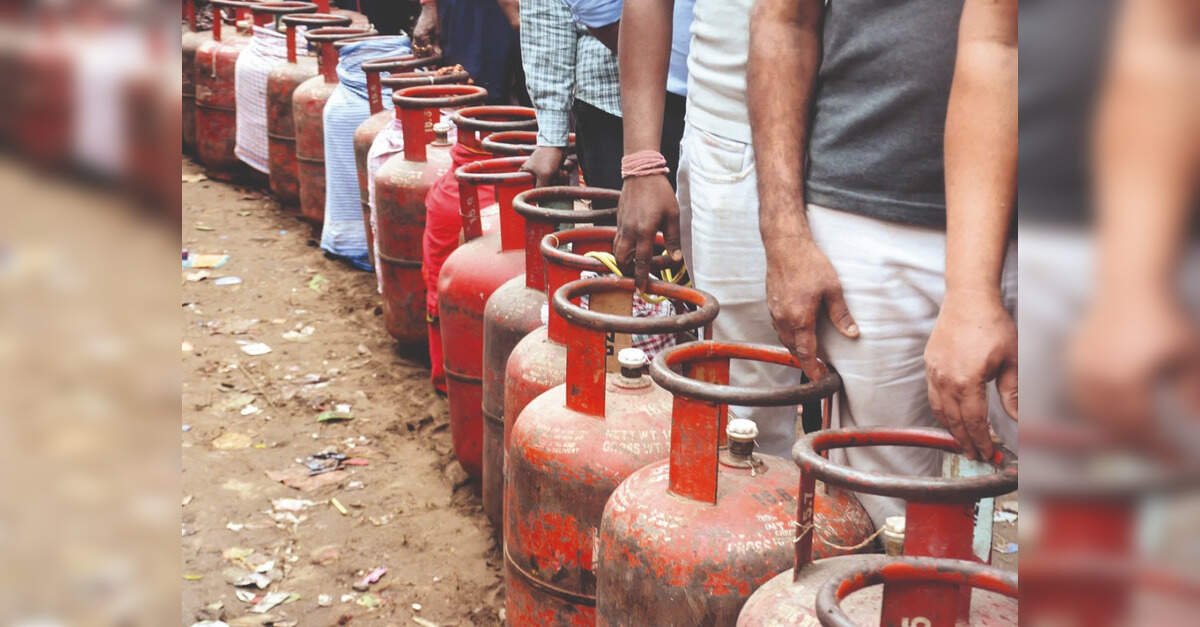
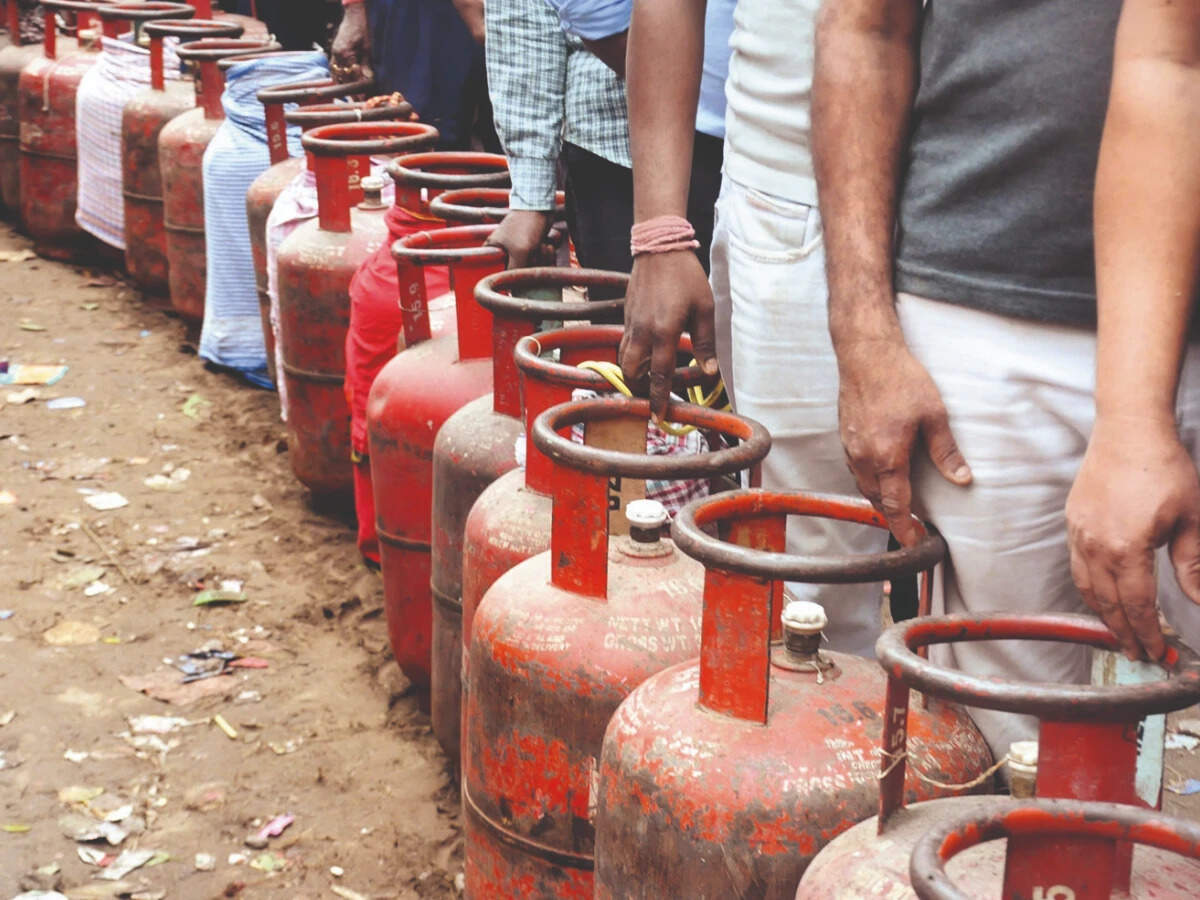
    Uttar Pradesh has approved two free LPG cylinder refills for Pradhan Mantri Ujjwala Yojana beneficiaries in the 2026-27 financial year.
    Uttar Pradesh has approved two free LPG cylinder refills for Pradhan Mantri Ujjwala Yojana beneficiaries in the 2026-27 financial year.

    The Uttar Pradesh Cabinet on Friday approved a proposal to provide two free LPG cylinder refills to beneficiaries of the Pradhan Mantri Ujjwala Yojana during the 2026-27 financial year, with the state government expected to incur an expenditure of Rs 2,142.78 crore.

    The decision was taken at a Cabinet meeting chaired by Chief Minister Yogi Adityanath here.

    According to the state government, the free refills will be provided in two phases, the first between October and December 2026 and the second between January and March 2027.

    The scheme follows a similar arrangement in previous financial years, when beneficiaries received free cylinder refills around Holi and Diwali.

    The government said the initiative aims to encourage the use of clean cooking fuel and reduce the harmful effects of smoke on the health of women and children as well as the environment.

    The benefit will be available to Ujjwala beneficiaries whose bank accounts are linked to Aadhaar and whose Aadhaar authentication has been completed.

    Only beneficiaries meeting these conditions will be eligible for the free refills, the government said.

    The Pradhan Mantri Ujjwala Yojana (PMUY) is a central government scheme launched in 2016 to provide deposit-free LPG connections to adult women from poor households, particularly those from economically disadvantaged families, to promote clean cooking fuel.

    • Published On Oct 10, 2026 at 12:27 PM IST

    Join the community of 2M+ industry professionals.

    Subscribe to Newsletter to get latest insights & analysis in your inbox.

    All about ETEnergyworld industry right on your smartphone!

  • Trump seeks Russian diesel after months of targeting India’s oil purchases

    Trump seeks Russian diesel after months of targeting India’s oil purchases

    ETEnergyWorld Desk

    Trump’s latest move could intensify questions about whether Washington’s approach to Russian energy is driven by a consistent policy or by its immediate economic and political priorities, the report said.
    Trump’s latest move could intensify questions about whether Washington’s approach to Russian energy is driven by a consistent policy or by its immediate economic and political priorities, the report said.

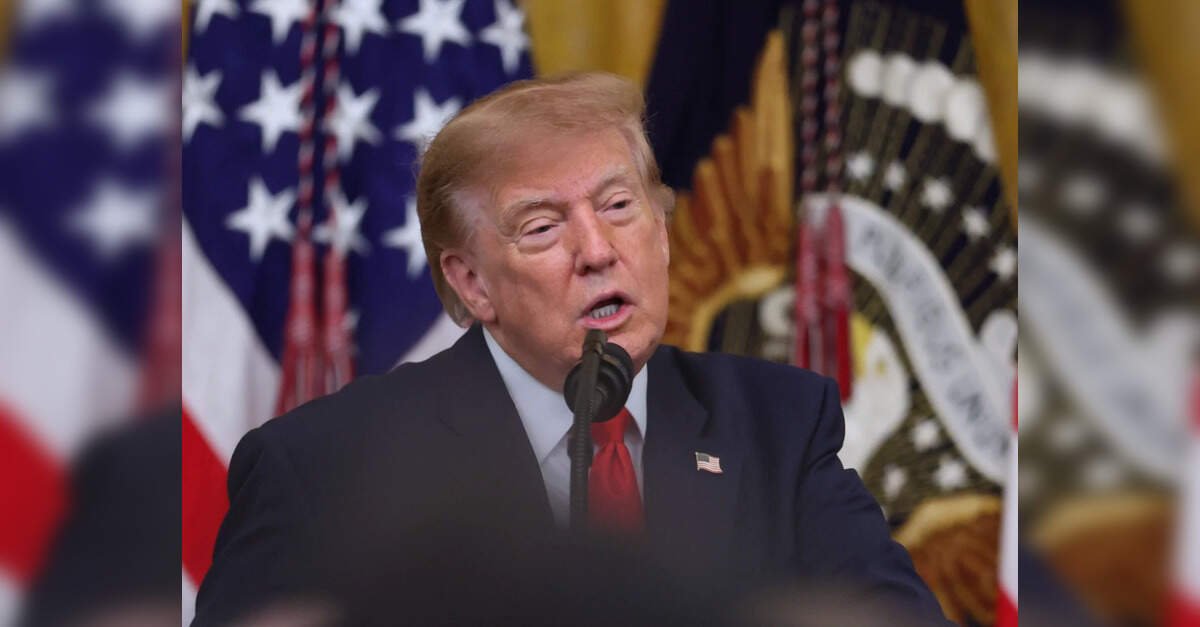
    US President Donald Trump has announced plans to buy diesel from Russia after months of pressuring India to curb its purchases of Russian energy to limit Moscow’s funding for the war in Ukraine, The Times of India (TOI) reported.

    According to the report, Trump said Russian President Vladimir Putin had agreed to supply more than 300,000 tonnes of diesel immediately, followed by 500,000 tonnes in November and additional shipments later.

    Trump said the move, alongside what he described as US control of the Strait of Hormuz, would bring down diesel prices in the US and globally. He also said lowering costs for American farmers, ranchers and truckers was a priority.

    The announcement comes as high fuel prices put pressure on American consumers and threaten Republican prospects in the November 3 midterm elections.

    Diesel prices reportedly reached a record $6.52 per gallon in September and were around $6.28 on Friday.

    US eases restrictions on Russian fuel

    Following Trump’s announcement, the US Treasury Department issued a temporary general licence allowing qualifying Russian diesel shipments to enter the global market. The sanctions relief extends until April 2027 for eligible cargoes loaded onto tankers by Friday.

    The move comes weeks after Trump signed the Graham Act, legislation intended to tighten economic pressure on Moscow over its war in Ukraine.

    The political implications are significant as the administration seeks to address rising living costs before voters head to the polls.

    The decision has also drawn criticism from Ukrainian President Volodymyr Zelenskyy, who said Washington risked rewarding Russia while Kyiv was trying to weaken Moscow’s ability to finance its invasion.

    Zelenskyy also questioned the timing of the announcement, which came as Trump’s envoys Steve Witkoff and Jared Kushner were meeting Ukrainian and European officials in Miami to discuss proposals for ending the war. He said he would have supported easing energy sanctions if it had been part of a reciprocal arrangement to halt attacks on energy infrastructure during winter.

    Republicans question move as India faces scrutiny

    The announcement has also drawn criticism from some Republicans. Nebraska Congressman Don Bacon said lower diesel prices were important for American consumers but argued that buying Russian fuel was the wrong approach.

    He said the US should use sanctions to pressure Putin rather than provide additional funds to Moscow while Russian forces continued targeting Ukrainian civilians.

    For India, the decision highlights the contrast between Washington’s pressure on New Delhi over its purchases of Russian energy and its own move to facilitate Russian diesel supplies when domestic fuel costs rise.

    India has faced US tariff threats and diplomatic pressure over its Russian energy imports.

    Trump’s latest move could intensify questions about whether Washington’s approach to Russian energy is driven by a consistent policy or by its immediate economic and political priorities, the report said.

    Join the community of 2M+ industry professionals.

    Subscribe to Newsletter to get latest insights & analysis in your inbox.

    All about ETEnergyworld industry right on your smartphone!