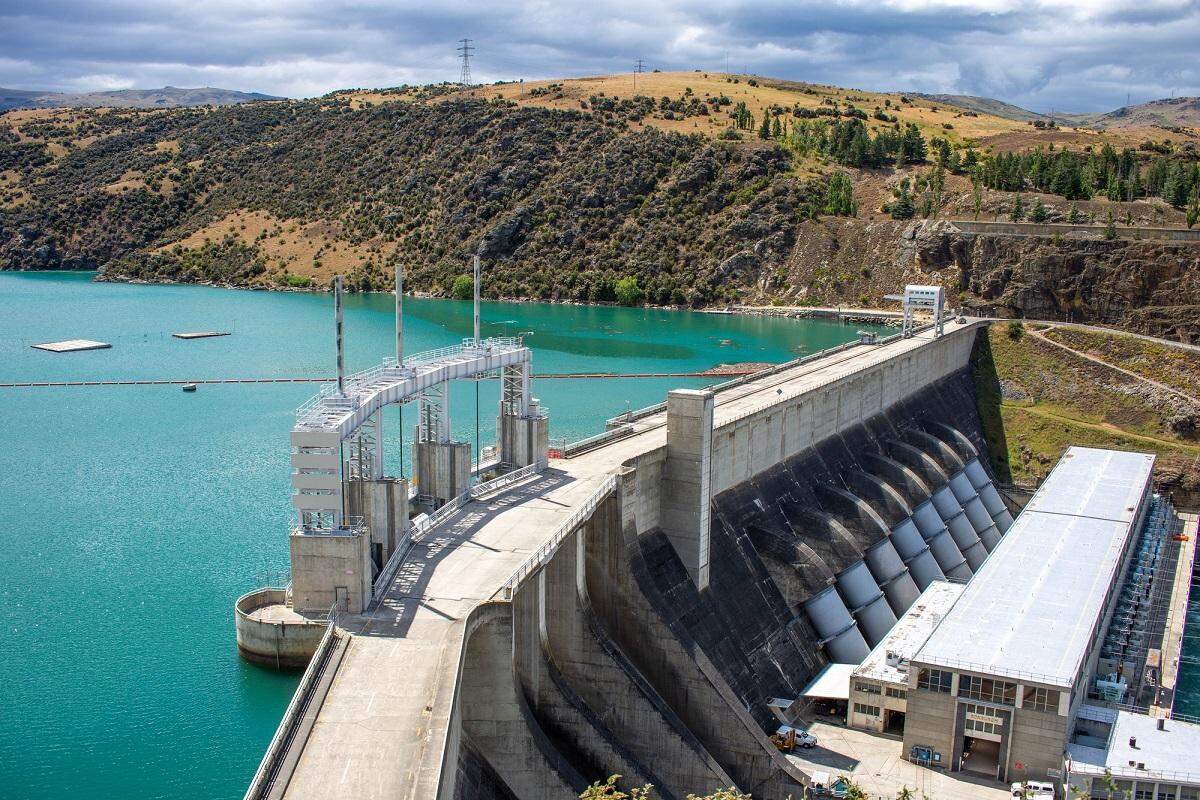
The National Hydroelectric Power Corporation has identified the necessary updates for the Dumboor hydroelectric project, planning a significant investment of around ₹100 crore by the state government to revitalize the facility.
The National Hydroelectric Power Corporation (NHPC), in collaboration with the Tripura govt, has completed a technical assessment to determine the restoration and modernisation requirements for the state’s only hydroelectric project at Dumboor in Gomati district.
Power minister Ratan Lal Nath announced that the state govt intends to invest around ₹100 crore to restore the damaged facility and improve its power generation capacity. The project aims to raise output to 10-11 MW from its original capacity to 15MW across three units.
Work is expected to begin by Dec 2026, following the completion of detailed assessments and preparatory procedures.
Nath shared the update at the ground-breaking ceremony for the restoration and modernisation project. The plant sustained severe damage during the 2024 floods.
The initiative is aimed at upgrading the state’s ageing electricity infrastructure and enhancing its renewable energy capabilities. Tripura is a power-surplus state that primarily relies on gas-based turbine power generation.
Join the community of 2M+ industry professionals.
Subscribe to Newsletter to get latest insights & analysis in your inbox.
All about ETEnergyworld industry right on your smartphone!
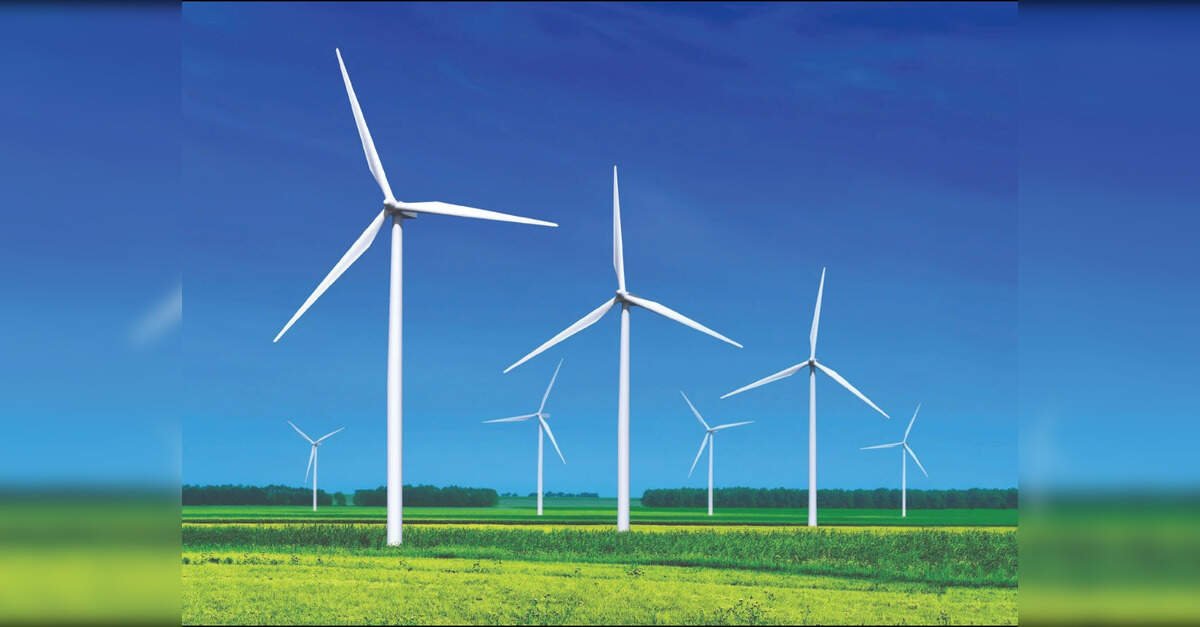
Renewable energy group Suzlon is investing nearly ₹550 crore to set up three AI-powered blade factories, said co-founder Girish Tanti in an interaction with PTI.
According to Tanti, these AI-enabled smart factories will boost productivity alongside quality and safety. It will also make Suzlon-India’s largest smart wind manufacturing capacity with a total of 18 factories.
The two blade facilities have been planned for Gujarat and Karnataka, the third will come up in Tamil Nadu. The renewable energy group already has five blade factories in Jaisalmer, Bhuj, Ratlam, Dhule and Anantapur.
Tanti said the company has earmarked capex of ₹550 crore for the three projects, funded from internal accruals. ₹200 crore is for the Tamil Nadu project; the remaining will be utilised for Gujarat and Karnataka facilities.
The new plants are said to generate 3,000 direct and 12,000 indirect jobs with 80 per cent rural employment.
AI-enabled manufacturing
Speaking on the AI-enabled vision, Tanti said, it will strengthen the product quality through instant defect detection, while digital quality platforms like AskCQMS and the SAFER safety app are elevating workplace assurance and traceability.
He added, the company has already deployed automation in blade manufacturing at these locations and is now scaling an integrated digital architecture across nacelle production with Manufacturing Execution Systems (MES), Enterprise Resource Planning (ERP), IoT (Internet of Things ) convergence, and robotics for critical tasks.
“Suzlon is building a new generation of smart factories that combine automation, advanced analytics, AI-driven decision systems, and digitally unified operations to deliver faster, leaner, and more reliable manufacturing,” Tanti said.
The estimated time period for setting up these facilities is by 2027 and they will be closer to wind project sites to improve logistics.
Join the community of 2M+ industry professionals.
Subscribe to Newsletter to get latest insights & analysis in your inbox.
All about ETEnergyworld industry right on your smartphone!
The company said its operational portfolio powered more than 4.4 million homes and helped avoid 17.5 million tonnes of carbon dioxide equivalent emissions during the six-month period ended September 30, 2026.
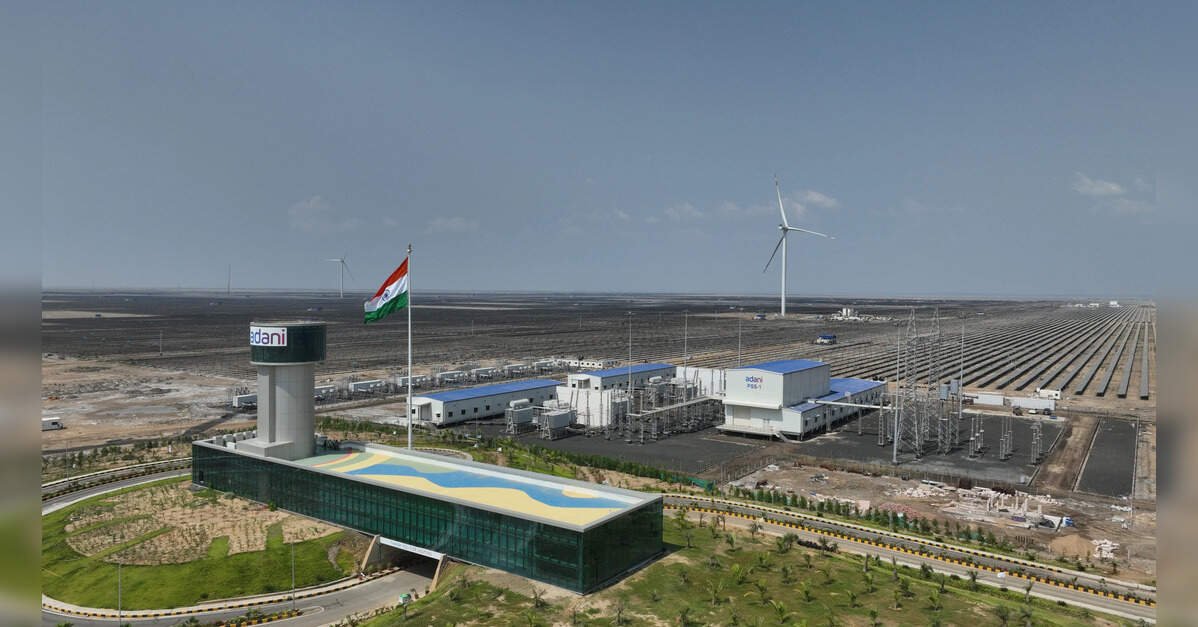
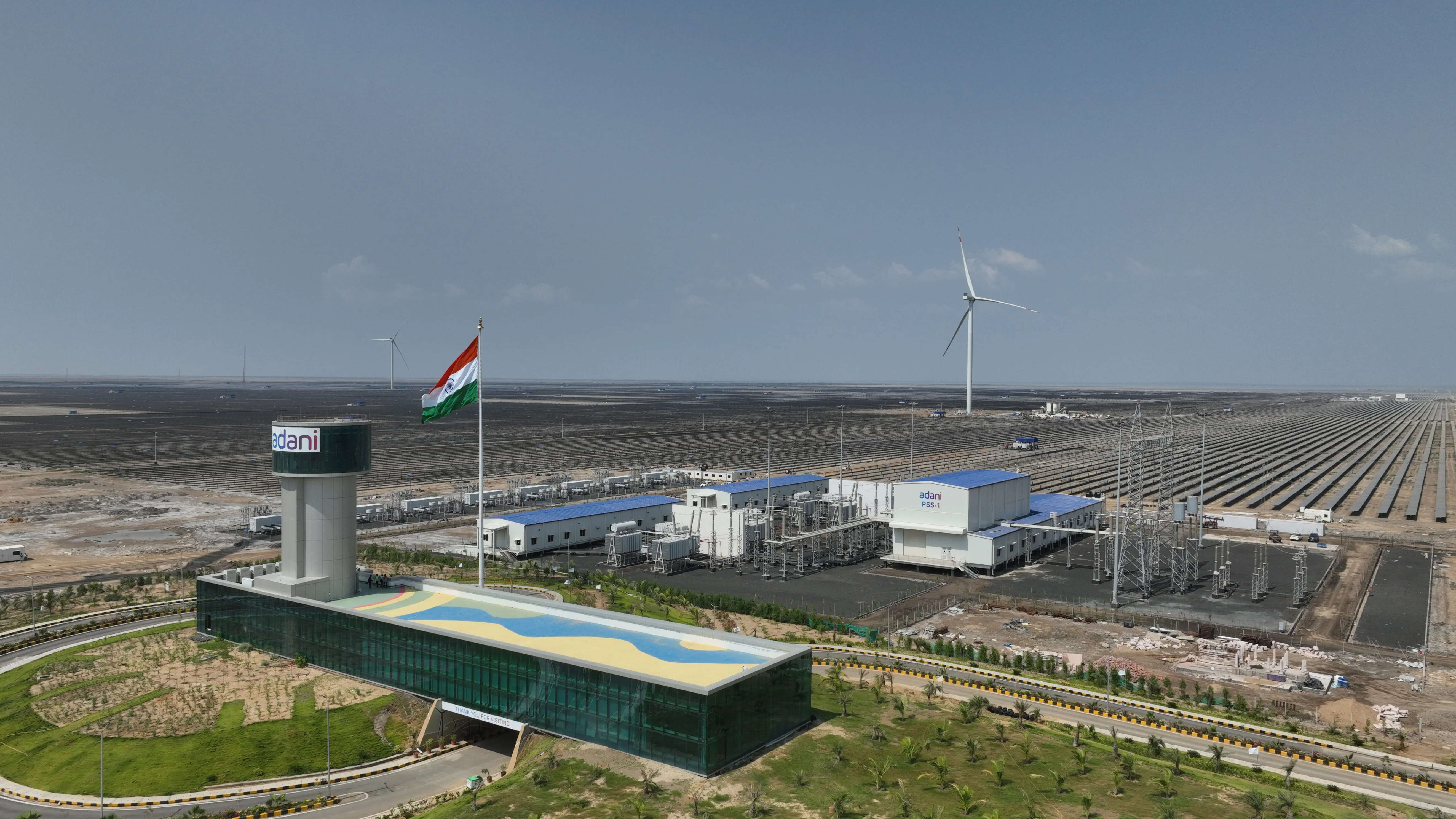
Adani Green Energy’s operational renewable energy capacity increased 24 per cent year-on-year to 20,763 MW in the first half of FY27, while energy sales rose 32 per cent to 25,747 million units, according to the company’s provisional operational update filed on stock exchanges on Saturday.
It said that the company added 4,083 MW of greenfield capacity during April-September, including 621 MW in the second quarter of FY27.
During the July-September quarter, Adani Green operationalised 3,081 MWh of battery energy storage system (BESS) capacity at Khavda in Gujarat, taking its total installed BESS capacity to 6,632 MWh as of September 30, 2026.
The company’s capacity utilisation factor stood at 22.9 per cent for its solar portfolio, 42.9 per cent for wind and 45.2 per cent for hybrid projects during the first half of FY27. Plant availability was 99.3 per cent for solar, 94.6 per cent for wind and 98.8 per cent for hybrid projects.
The company said its operational portfolio powered more than 4.4 million homes and helped avoid 17.5 million tonnes of carbon dioxide equivalent emissions during the six-month period ended September 30, 2026.
Join the community of 2M+ industry professionals.
Subscribe to Newsletter to get latest insights & analysis in your inbox.
All about ETEnergyworld industry right on your smartphone!
Minister for industries, commerce and food processing TG Bharath announced the massive investment pipeline.
In a major industrial surge for Rayalaseema, the Orvakal Industrial Hub in Kurnool district is positioned to capture targeted investments worth over ₹50,000 crore, transforming the historic region into one of South India’s premier manufacturing and logistics powerhouses.
Minister for industries, commerce and food processing TG Bharath announced the massive investment pipeline, pointing to a new phase of economic expansion fuelled by proactive state policies, rapid single-window clearances, and strategic connectivity projects.
“Master-planned under the National Industrial Corridor Development Programme (NICDC) along the Hyderabad–Bengaluru Industrial Corridor (HBIC), Orvakal’s base infrastructure cost stands at ₹2,786 crore and the works are heading as per the schedule on a brisk pace”, TG Bharat explained.
The Agastya Green Energy project stands as a massive anchor investment within the Orvakal Industrial Node, committing an outlay of ₹ 7,800 crore to establish an end-to-end solar manufacturing complex.
Operating under the Anubhav Agarwal Group (BN Group), the enterprise is setting up 12 GW ingot and 12 GW wafer production capacities integrated with high-efficiency solar cell and module lines.
Designed to accelerate backward integration and strengthen India’s domestic photovoltaic supply chain under the Make in India vision, this mega-facility is projected to generate over 3,500 direct high-skilled jobs in Kurnool and the Rayalaseema region.
Similarly, the Grydonn Energy project represents a major high-tech manufacturing addition to the green energy ecosystem at the Orvakal Mega Industrial Hub in Kurnool district.
With an investment outlay of ₹3,149.5 crore, the state government has allocated 47.65 acres of land along with customised industrial incentives under Government Order (GO) No. 103.
The project focuses on setting up a 3 GW capacity solar cell and module facility, accelerating backward integration in clean hardware manufacturing.
The state industries minister also explained that the Andhra Pradesh govt eagerly awaits the establishment of a ₹23,000 crore mega semiconductor manufacturing plant by Indichip Semiconductors in partnership with Japan’s Yitoa Micro Technology once the project perfectly aligns with the central govt’s Semicon 2.0 broader spectrum.
TG Bharat observed that Reliance Consumer Products Limited (RCPL) has also selected Kurnool for its core South Indian FMCG manufacturing footprint and is in the final stages of grounding its ₹1622 crore Campa beverages plant, besides investing around ₹768 crore for establishing an Integrated food park at the Orvakal industrial hub.
With over 45,000 direct jobs projected across the NICDC-Orvakal node, the influx of mega-investments into drone city, clean energy, Semiconductor manufacturing, food processing and much more, is actively stemming outward migration and positioning Kurnool alongside Sri City and Visakhapatnam as a flagship industrial anchor in Andhra Pradesh.
Join the community of 2M+ industry professionals.
Subscribe to Newsletter to get latest insights & analysis in your inbox.
All about ETEnergyworld industry right on your smartphone!
Gujarat’s Modhera expands solar-powered living to green mobility
Modhera, known as India’s first 24×7 solar-powered village, is extending its clean-energy initiative towards green mobility, with residents adopting electric vehicles and solar-powered charging infrastructure supporting the transition.
Under Solar Village Modhera 2.0, the village is integrating renewable energy with everyday transportation. The broader project includes a 6 MW solar power plant and a 15 MWh Battery Energy Storage System (BESS), supporting the use of clean energy beyond household electricity consumption.
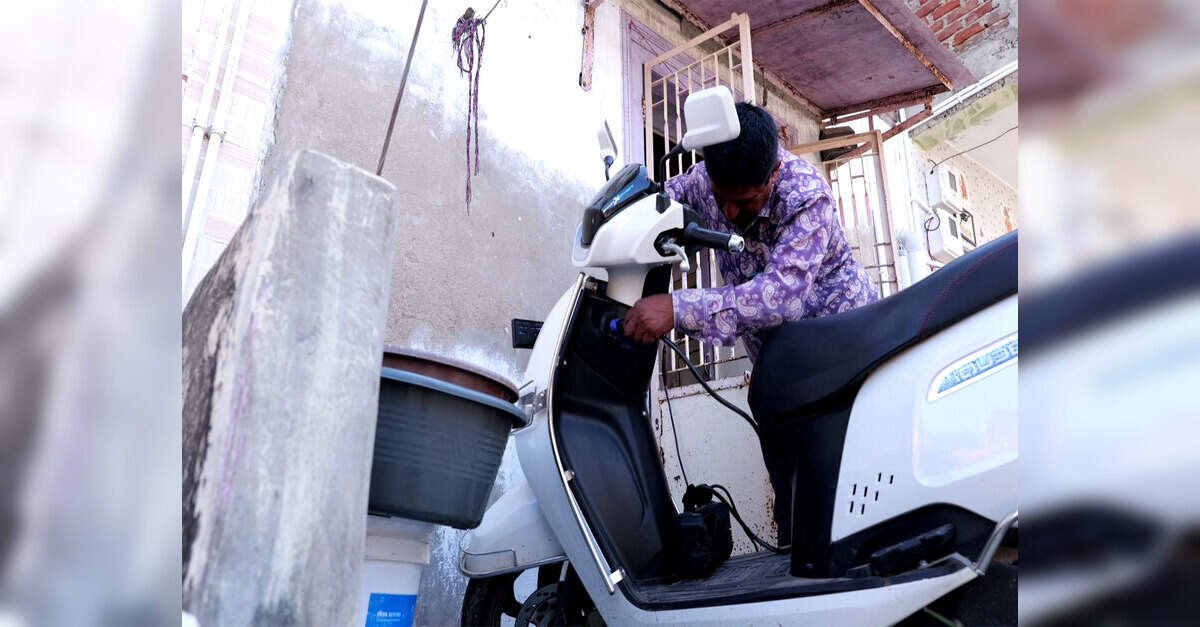
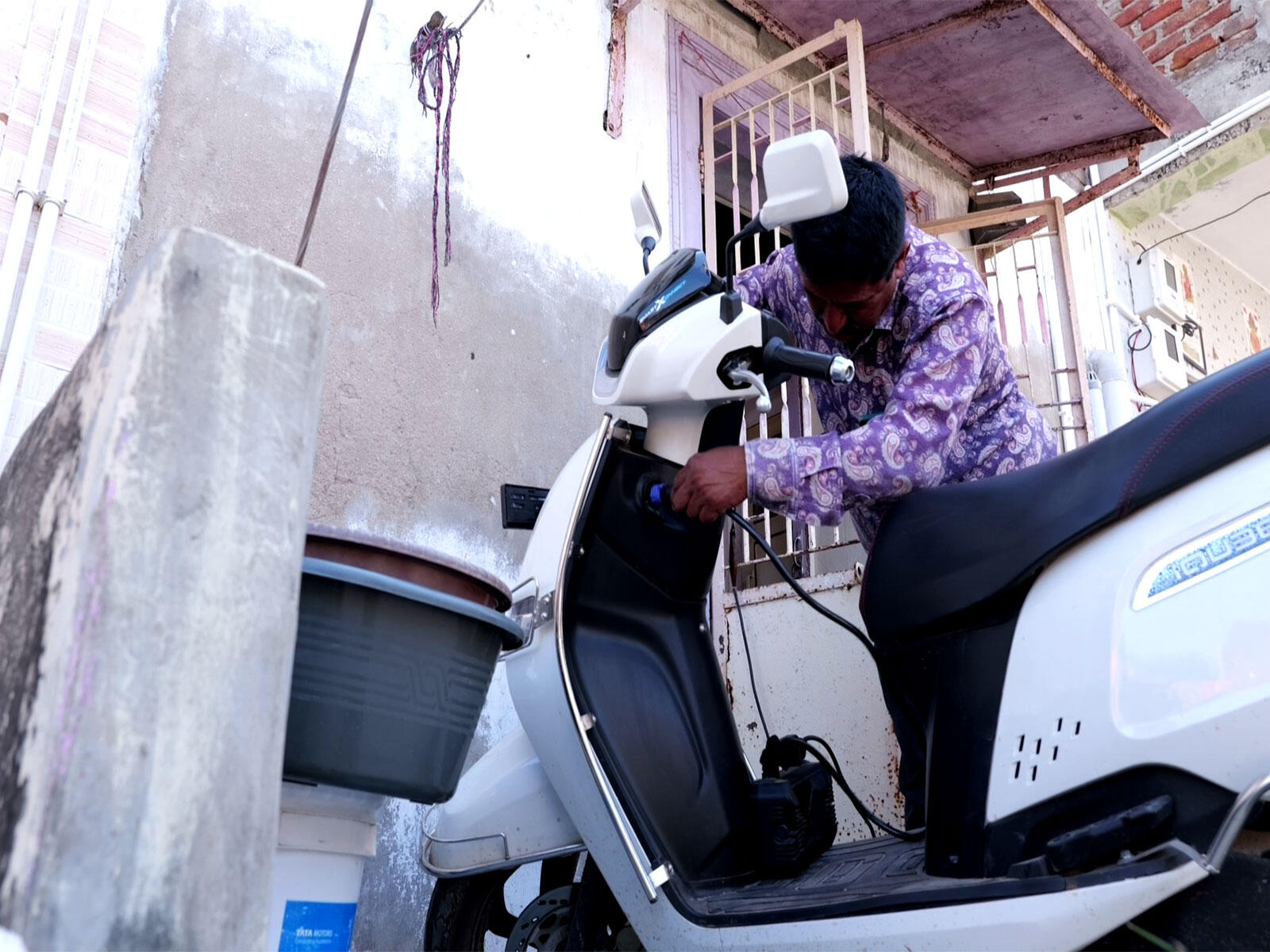
An electric vehicle charging station has also been established near the Sun Temple, allowing residents to charge their vehicles using solar-generated electricity.
“An electric vehicle charging station has also been set up near the Solar Temple, with its power supply coming from the solar ground-mounted power plant. People can use it to charge their vehicles, helping them save on petrol and diesel and reduce carbon emissions. This charging station provides an additional benefit to the community,” said Dilip Kumar, Deputy Engineer at Gujarat Urja Vikas Nigam Limited (GUVNL).
The shift towards electric mobility is also gaining relevance for residents who depend on two-wheelers for daily commuting and small business activities. With electric bikes and scooters becoming part of local travel, residents see an opportunity to reduce their dependence on conventional fuels.
“This will help us save a significant amount of petrol and diesel. With solarisation, we are able to travel several kilometres and carry out various small businesses and daily activities at a lower cost,” said Bharatbhai Suthar, a resident of Modhera village.
Solar energy is also contributing to household electricity needs, with residents using it to operate appliances ranging from televisions and refrigerators to air conditioners and washing machines.
“With the solar system, we are able to run many household appliances such as the refrigerator, TV, AC, household flour mill and washing machine. We benefit greatly from using solar energy for these appliances,” said Khushi Bharatbhai Patel, another resident of the village.
Modhera’s clean-energy initiative builds on its solar-powered infrastructure by linking electricity generation, battery storage and electric vehicle charging. The approach highlights how renewable energy can support both household needs and local transportation, while helping residents reduce fuel expenses and carbon emissions.
As the village expands its use of solar energy, the integration of green mobility offers a model for exploring sustainable transportation in rural areas.
Climate activist Harjeet Singh has called on Asian countries to lead the Global South’s transition to renewable energy and climate action.
Asian countries, including India, must accelerate a just transition to renewable energy and take the lead in shaping the Global South’s response to the climate crisis, a global climate activist has said.
The Bangkok Climate Action Week 2026 brings together governments, climate experts, civil society groups and other stakeholders to discuss regional climate action and the transition towards cleaner energy.
Speaking on the sidelines of Bangkok Climate Action Week on Friday, Harjeet Singh, global convenor of the ‘Fill the Fund’ campaign and founding director of Satat Sampada Climate Foundation, said developed countries must also be held accountable for inadequate climate action and unfulfilled finance commitments.
“The conversations at Bangkok Climate Action Week make one truth undeniable: the world is suffering deeply under the weight of a fossil-fuel economy,” Singh told PTI.
“We cannot merely demand action; we must lead by example and forge the blueprint for a resilient and equitable future,” he added.
An event held as part of the climate week brought together governments, policymakers and advocates from South Asia, Southeast Asia and the Pacific to discuss ways to accelerate a just transition to clean energy.
Nithi Nesadurai, Director and Regional Coordinator of Climate Action Network Southeast Asia, said both Southeast and South Asia have examples of transitioning towards renewable energy, but greater regional coordination is needed to share experiences and good practices.
The discussions, part of Asia-Pacific engagement ahead of the UN Climate Change Conference (COP31) in November, also focused on developing a just energy transition roadmap and strengthening regional cooperation.
The first international conference on transitioning away from fossil fuels was held in Santa Marta, Colombia, in April 2026, while the second is scheduled to take place in Tuvalu in July 2027.
Tamil Nadu’s additional subsidy for rooftop solar installations under PM Surya Ghar has boosted applications in Trichy district.
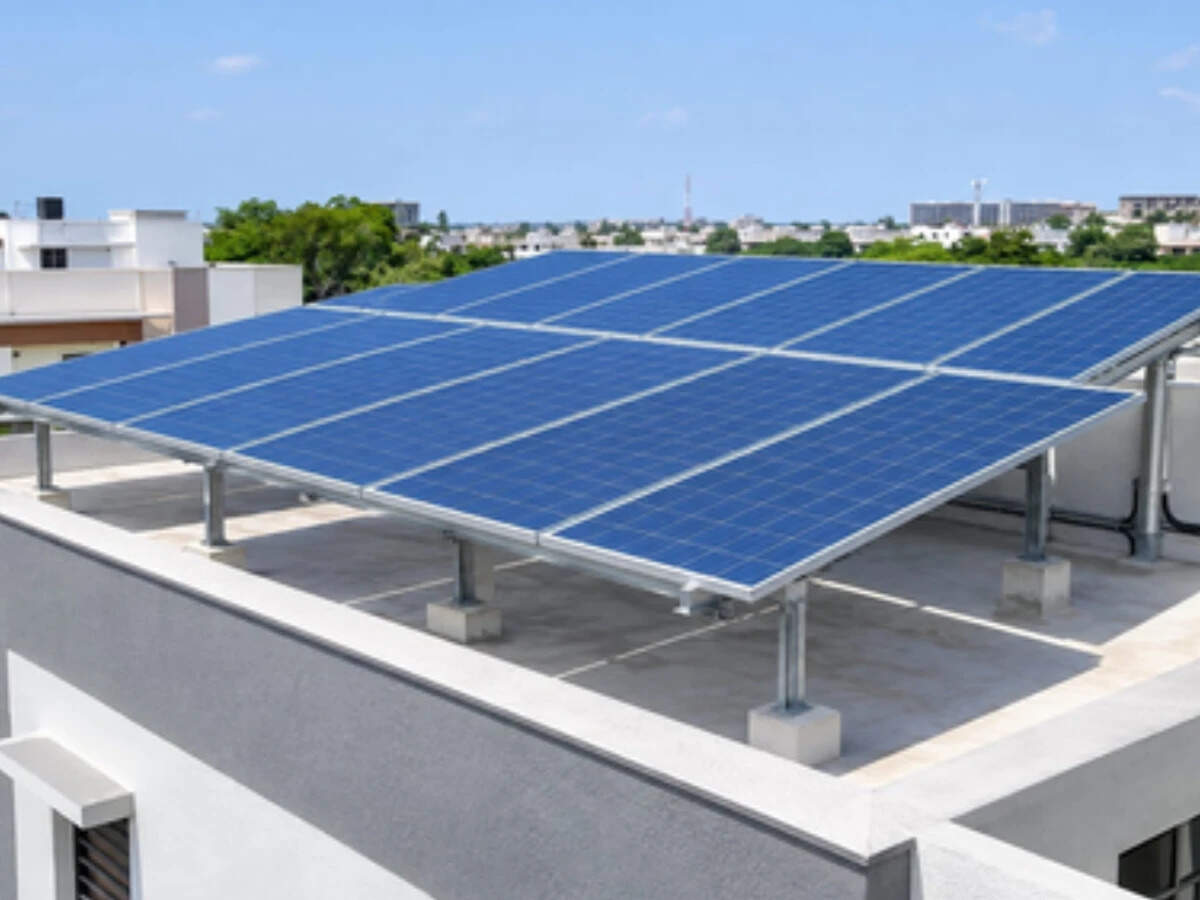
Tamil Nadu govt’s top-up subsidy announcement for rooftop solar power plant installation under the PM Surya Ghar scheme has doubled enquiries and applications. While TN Green Energy Corporation Limited (TNGECL) has set 3,653 rooftop solar installations as the target for Trichy district till March 31, 2027, as many as 1,020 applications have already been received in just two months. Normally, it would take five to six months to receive 1,000 applications.
TNGECL said that the top-up subsidy from the state govt varying between a minimum of ₹5,000 for 1 kW capacity installation and a maximum of up to ₹22,000 for 3 kW rooftop solar unit will be available for applications submitted from Aug 5.
“Already, 183 rooftop solar plants have been installed in the last two months. The subsidy announcement made in the assembly has widely reached the people and our empanelled service providers are enthusiastic to tap the spurt in the demand,” an official with TNGECL said.
So far, people were enjoying only the Centre’s subsidy. People should apply for the scheme on the PM Surya Ghar online portal. Tamil Nadu Power Distribution Corporation Limited (TNPDCL) will acknowledge and approve the application based on the feasibility. Consumers can select an empanelled vendor and pay for the rooftop solar installation based on their individual consumption. TNPDCL will inspect and fix meters to commission the rooftop solar plant. Within a month, consumers will be reimbursed with the subsidies for which they are eligible from both state and Union govts, officials promised.
“Solar panels have 30 years’ life; routine maintenance involving cleaning and gentle washing will be sufficient. Consumers can get back the invested sum on rooftop solar plants in just three years,” K Muthuraman, executive engineer, Tangedco Trichy Urban, said.
Banks are providing loans for rooftop solar installations at low interest rates. The overall target for Trichy district under the PM Surya Ghar scheme has been fixed at 15,000 rooftop units for the period 2024-27, of which around 4,600 have been commissioned. TNGECL said that special outreach programmes for rooftop installation with subsidies are planned at Musiri and Mannarpuram units on Oct 13 and 14 respectively.
Join the community of 2M+ industry professionals.
Subscribe to Newsletter to get latest insights & analysis in your inbox.
All about ETEnergyworld industry right on your smartphone!
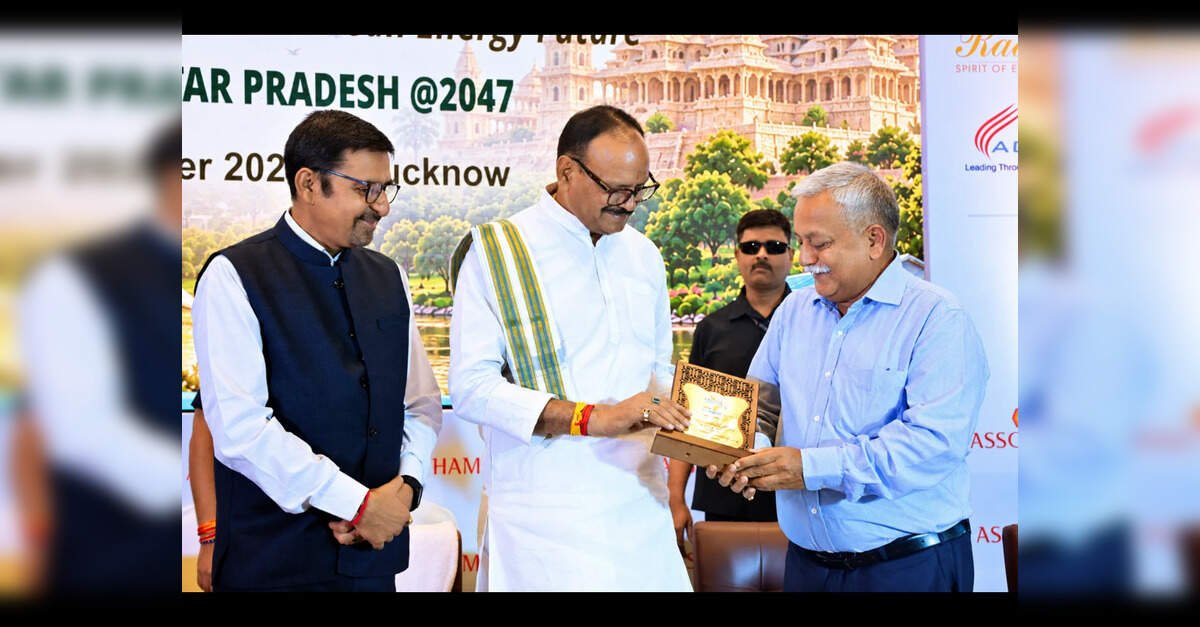
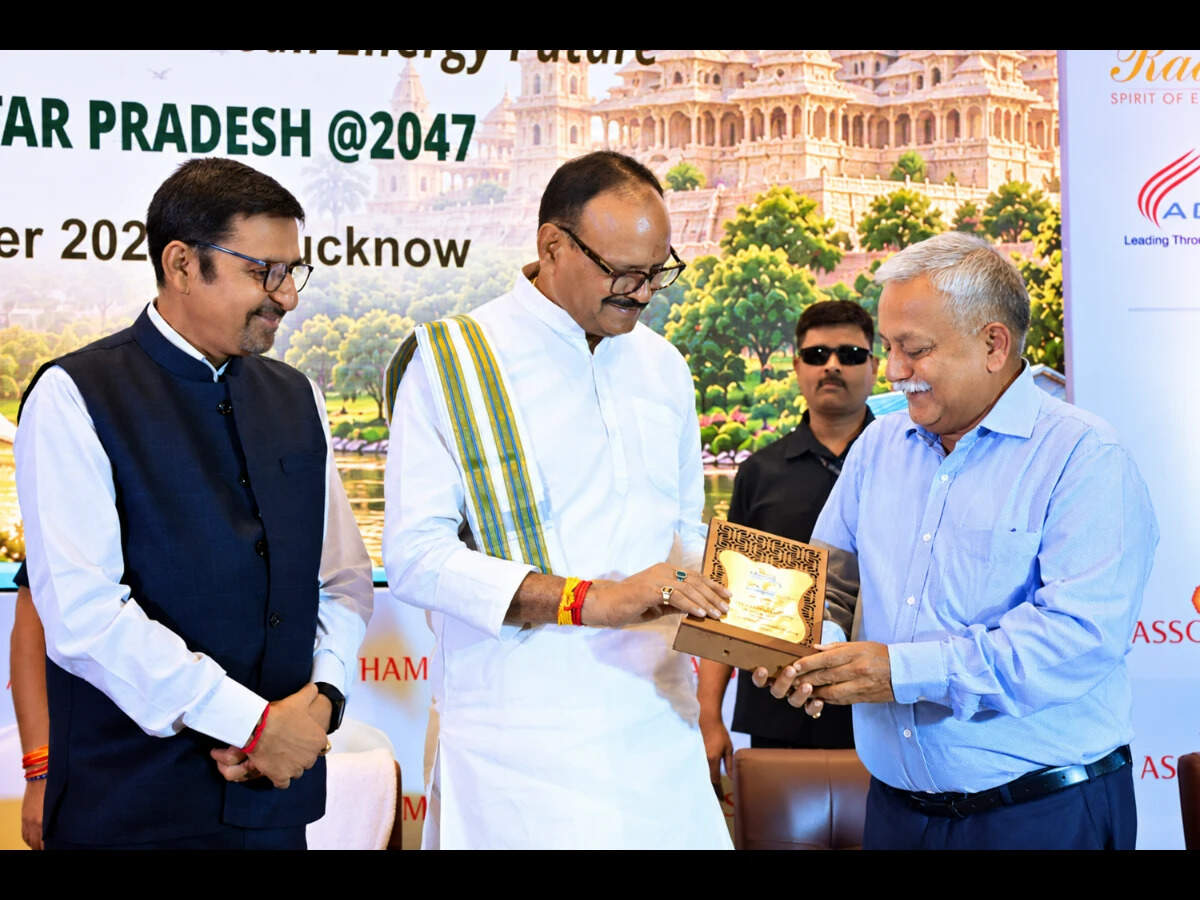
Deputy Chief Minister Brajesh Pathak, who attended the event as chief guest, said the state was stepping up investment in renewable energy, which he described as a priority sector.
Uttar Pradesh is looking to strengthen its renewable energy ecosystem to support industrial expansion and agricultural growth, with the state government signalling continued investment in clean energy infrastructure, green hydrogen and emerging energy technologies.
The focus was highlighted at Uttar Pradesh Urja Sangam 2026, organised by the ASSOCHAM India in association with the Uttar Pradesh New and Renewable Energy Development Agency (UPNEDA) and Invest UP. The conclave brought together government representatives, industry stakeholders and financial institutions to discuss opportunities across manufacturing, project execution and power offtake.
Renewable energy push gathers pace
Deputy Chief Minister Brajesh Pathak, who attended the event as chief guest, said the state was stepping up investment in renewable energy, which he described as a priority sector. He pointed to the expansion of the sector since 2017, including the establishment of new distribution units and progress in grid integration, as part of the state’s efforts to reduce carbon emissions.
Pathak also highlighted India’s role in establishing the International Solar Alliance and underscored the importance of central government programmes such as the PM Surya Ghar Muft Bijli Yojana and PM-KUSUM in advancing solar adoption.
These initiatives, he said, were encouraging farmers to use available land for solar power generation while reducing their electricity costs. He also said Uttar Pradesh had emerged as the country’s leading state in rooftop solar installations.
Biogas and green energy open investment avenues
Awanish Kumar Awasthi, Advisor to the Chief Minister, said Uttar Pradesh offered significant opportunities for investment in green energy, adding that the state was well placed to expand its sustainable energy ecosystem. He also expressed confidence in India’s potential to emerge as a global leader in the sector.
Highlighting the state’s compressed biogas (CBG) ecosystem, Awasthi said Uttar Pradesh had 37 CBG plants installed or operational, with a combined production capacity of approximately 237 tonnes per day (TPD).
He also pointed to the Centre’s GOBARdhan initiative, which seeks to convert cattle dung, agricultural residue and other organic waste into commercially valuable products, including biogas, compressed biogas and organic manure.
The potential to link agricultural waste management with clean energy production offers another avenue for investment, particularly as the state looks to develop a broader ecosystem around bioenergy and other low-carbon fuels.
Green hydrogen and electrolysers in focus
A key panel at the conclave examined electrolyser manufacturing and green hydrogen, with discussions centred on technology, policy frameworks, market opportunities and investment prospects.
The panel brought together Sandeep Singh Chadha, Chief of Staff and Vice President, Growth and Strategy, SAEL; Zeeshan Raza, Deputy General Manager at Tata Motors; Rohit Mahajan, Assistant General Manager at J&K Bank; Himanshu Joshi, Assistant Sales Manager at IDFC FIRST Bank; and Mallika Modi, Director and Chief Business Development Officer at Zero Footprint Industries Ltd.
The participation of industry representatives and financial institutions reflected the importance of linking technology development and manufacturing with access to capital, commercial viability and the development of markets for green hydrogen. These factors will be central to building a competitive domestic electrolyser manufacturing ecosystem and scaling green hydrogen projects.
Solar manufacturing and project execution
A separate session focused on solar manufacturing and project execution, covering floating solar, solar manufacturing policy and industry readiness, as well as the implementation of government programmes designed to expand solar adoption.
Discussions covered the PM Surya Ghar scheme, PM-KUSUM and PM-SSY, with the broader agenda addressing the policy and execution requirements for scaling solar manufacturing and deployment. The session highlighted the importance of translating policy support into investment, manufacturing capabilities and projects that can be implemented at scale.
Linking clean energy with agriculture
Agriculture also featured in discussions on the transition to cleaner energy. Awasthi highlighted inefficiencies in conventional fertiliser use, noting that a significant proportion of nitrogen applied through urea does not reach crops. He also referred to the growing use of green ammonia, which can play a role in reducing the carbon intensity of fertiliser production.
The intersection of renewable power, green hydrogen, ammonia and bioenergy could create opportunities across manufacturing, agricultural inputs and waste-to-energy projects, provided these technologies can be scaled commercially.
Join the community of 2M+ industry professionals.
Subscribe to Newsletter to get latest insights & analysis in your inbox.
All about ETEnergyworld industry right on your smartphone!
Gujarat State Fertilizers and Chemicals plans to develop a green ammonia plant at its Sikka facility in Jamnagar, with an annual capacity of at least 500,000 tonnes.
Gujarat State Fertilizers and Chemicals (GSFC) is looking for a joint venture partner to set up a green ammonia plant with an annual capacity of at least 500,000 tonnes at its Sikka facility in Jamnagar, Gujarat, as India steps up efforts to replace fossil fuel-based ammonia used in fertiliser manufacturing.
The Gujarat government-promoted company is looking at joining hands with Indian and overseas companies, investors and consortiums to develop the project, which it aims to commission before December 2030.
GSFC is seeking partners who can bring investment, technology and renewable energy expertise, along with long-term purchase commitments from potential customers. The company is particularly targeting export markets in Europe, Japan and South Korea.
According to the company’s proposal, the project would require about 2-3 gigawatts of solar and wind power capacity to produce an estimated 90,000-100,000 tonnes of green hydrogen annually, which would then be used to manufacture ammonia.
GSFC plans to sell about 90 per cent of the proposed output to overseas and domestic customers, while using the remaining 10 per cent in its own fertiliser operations. The proposed joint venture structure allows GSFC to hold up to 51 per cent equity, although the final terms will depend on discussions with prospective partners.
Join the community of 2M+ industry professionals.
Subscribe to Newsletter to get latest insights & analysis in your inbox.
All about ETEnergyworld industry right on your smartphone!
Gujarat-based Prozeal Green Energy is an independent power producer (IPP) and provides engineering, procurement, and construction (EPC) in the renewable energy space.
Prozeal Green Energy has signed an agreement to hand over a 100-megawatt solar project to a European entity in a ₹460 crore deal.
The proposed transaction remains subject to necessary approvals, Prozeal Green Energy said in a statement.
The project is currently scheduled to become operational in 2027.
Manan Thakkar, co-founder and Managing Director of Prozeal Green Energy, said demand for renewable energy solutions is growing in India’s commercial and industrial sector, and this partnership is structured to meet those needs.
Gujarat-based Prozeal Green Energy is an independent power producer (IPP) and provides engineering, procurement, and construction (EPC) in the renewable energy space.