India’s public EV charging network has expanded more than tenfold since 2022, but poor charger reliability, high public charging costs and home-charging challenges continue to limit wider EV adoption, according to IEEFA.
Category: Renewable Energy
-

Exide India, Germany’s ExCom partner to expand industrial battery business across EEA
Exide Industries has entered into a long-term strategic cooperation with Germany-based ExCom Energy Solutions to market industrial battery and energy storage solutions across the European Economic Area, initially focusing on traction and stationary battery applications.
-

India's trade deficit narrows to $26.86 bn in August as gold imports plunge
India’s merchandise trade deficit narrowed marginally to $26.86 billion in August from $27.2 billion a year earlier, as exports rose 26.1% to $43.81 billion while imports grew 14.1% to $70.76 billion.
-

SBI sees 25 bps rate hike in October MPC, another in December as inflation risks mount
The projected back-to-back moves would build a cumulative “50 bps as a moat” to insulate the domestic economy from intensifying external commodity shocks, persistent currency headwinds, and broadening domestic price pressures.
-
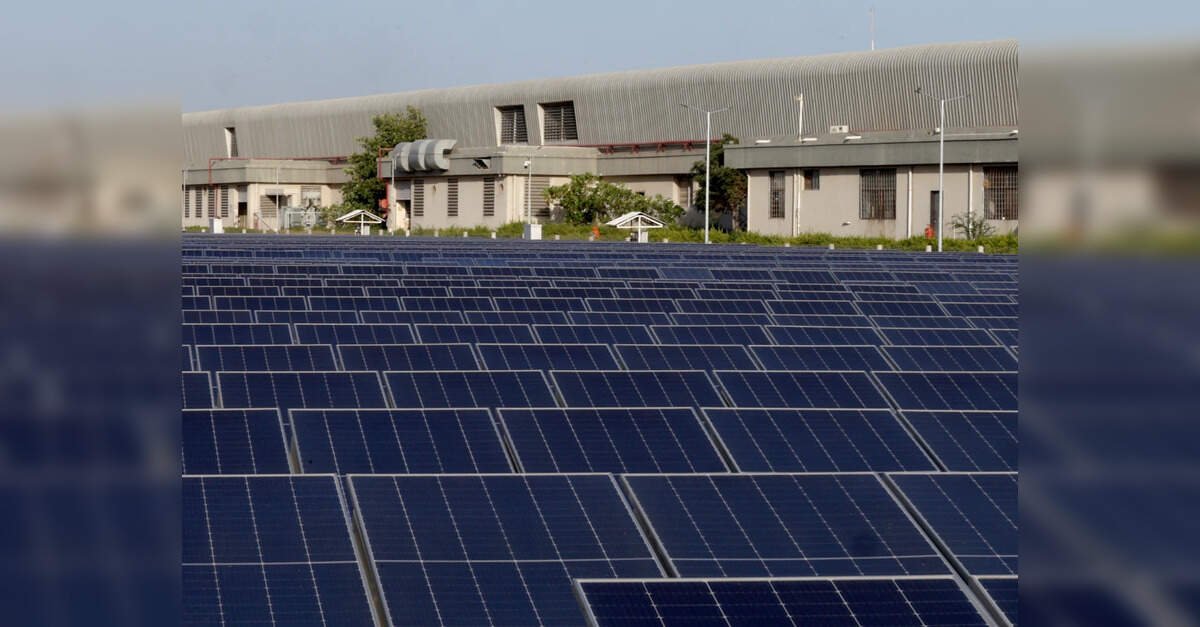
India wastes 4% of solar power amid power shortages in July, August: Report
- Published On Oct 12, 2026 at 01:17 PM IST
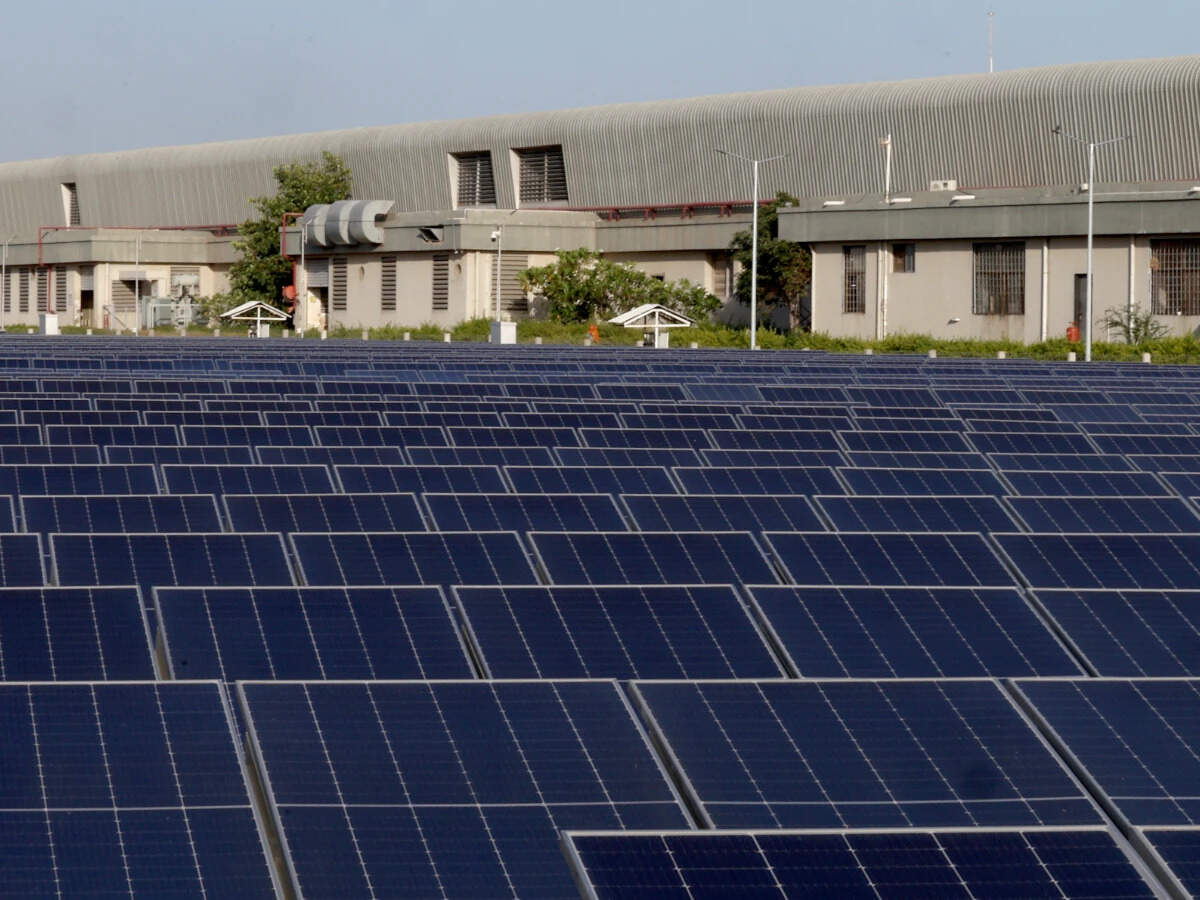
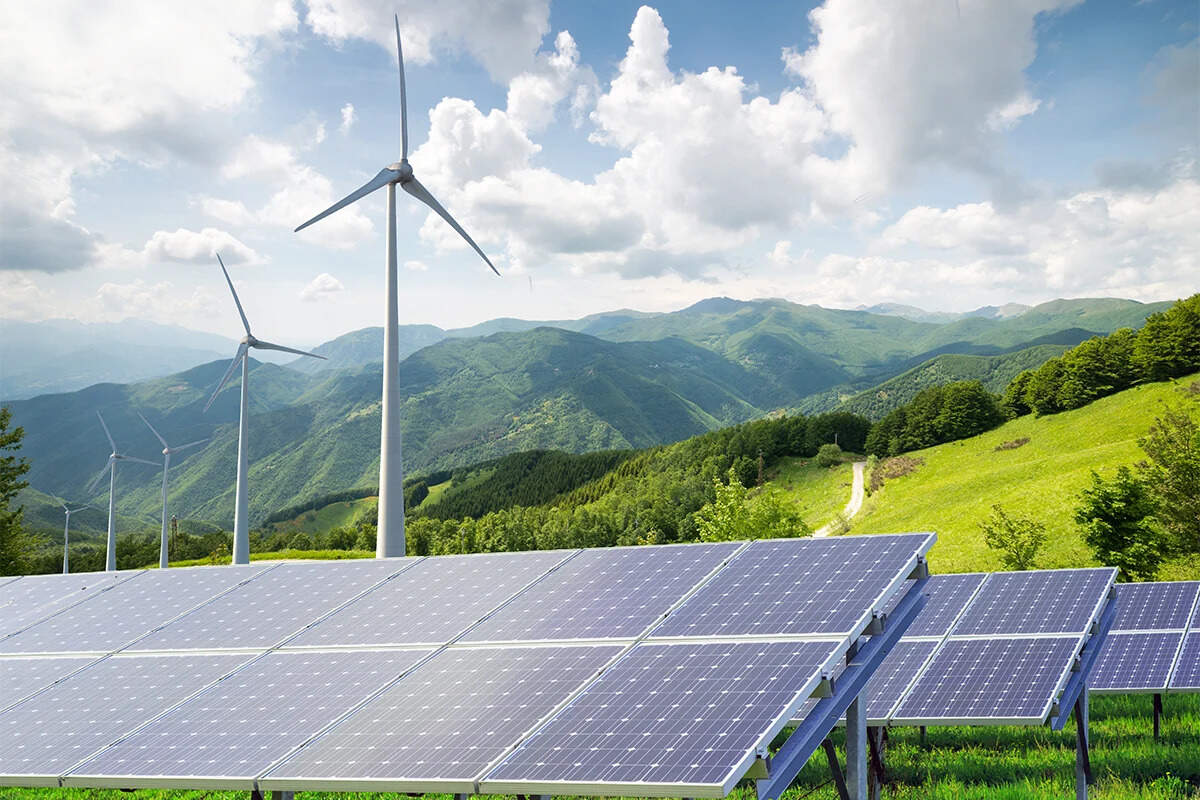
India’s transmission constraints are forcing renewable power curtailment even as electricity demand rises and coal stocks tighten. India turned away nearly 1.8 billion units of renewable electricity in July and August, even as it grappled with power shortages and dwindling coal stocks at power plants during a period of record electricity demand, a report showed on Monday.
About 4.2 per cent of total solar generation could not be absorbed by the grid in July and August, highlighting inadequate transmission infrastructure, data from the Centre for Research on Energy and Clean Air (CREA) showed.
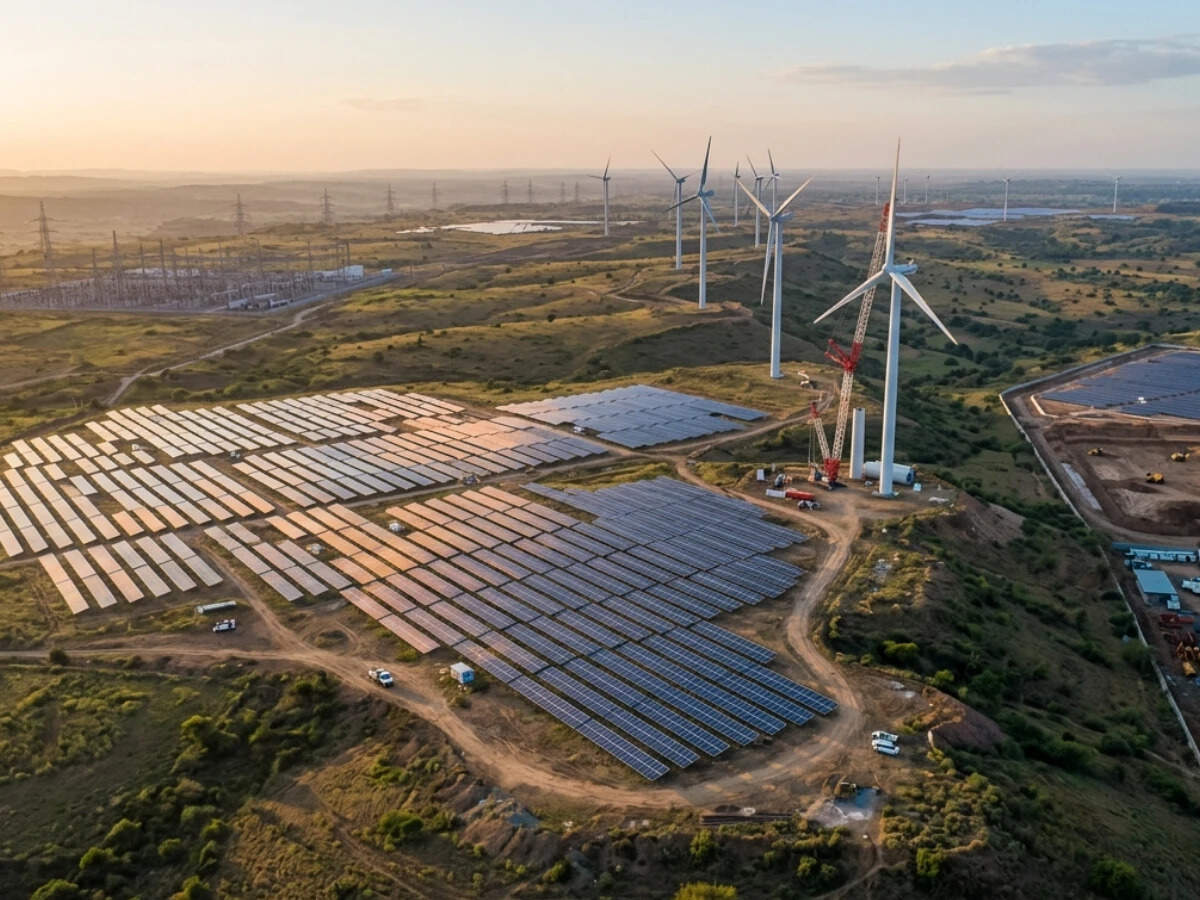
The data highlight a growing challenge for India as it expands renewable energy capacity to meet its clean energy target of 500 gigawatts (GW) by 2030, up from the current 304 GW.
“Despite record renewable generation, significant volumes of renewable electricity continued to be curtailed because of grid and operational constraints,” CREA analysts said.
India, the world’s third-biggest solar power generator, held back 14% of its solar power output between April and June, according to government data.
The South Asian nation’s transmission network has struggled to keep pace with the increase in green energy, particularly solar, which accounts for about 168 GW, or nearly a third of its power generation capacity, according to government figures.
The clean power curbs came even as peak power demand touched 270 GW in July and coal inventories at power stations fell sharply, the energy think tank said.
Nearly half of the country’s coal plants had stocks under four days of their requirement early this month.
India added renewable capacity at a rapid pace over the past year, helping non-fossil sources account for more than half of the country’s installed power capacity.
Solar generation jumped 39 per cent from a year earlier during the quarter ended September, while renewable generation excluding large hydro crossed 100 billion units for the first time.
Coal remained the backbone of India’s power system during the quarter, supplying about two-thirds of electricity despite record renewable generation, as rising demand and a 20 per cent decline in hydropower output linked to the El Niño weather pattern increased reliance on fossil fuels, the report said.
- Published On Oct 12, 2026 at 01:17 PM IST
Join the community of 2M+ industry professionals.
Subscribe to Newsletter to get latest insights & analysis in your inbox.
All about ETEnergyworld industry right on your smartphone!
- Download the ETEnergyworld App and get the Realtime updates and Save your favourite articles.

-
From monitoring to management: Rajasthan’s journey towards a distributed energy resource management system
Distributed renewable energy includes rooftop photovoltaic systems, agricultural solarisation, small captive plants, behind-the-meter generation and other decentralised resources.(Representational image) India’s electricity transition is entering a new phase. For much of the past decade, policy attention has centred on accelerating renewable energy capacity addition and developing the transmission infrastructure required to integrate large-scale solar and wind projects. These priorities remain critical.
However, the rapid growth of distributed renewable energy is creating a parallel challenge: how to govern and operate an electricity system that is becoming increasingly decentralised.
Distributed renewable energy includes rooftop photovoltaic systems, agricultural solarisation, small captive plants, behind-the-meter generation and other decentralised resources.
Recent policy interventions such as PM-KUSUM and PM-Surya Ghar, along with regulatory innovations including Virtual Net Metering and Group Net Metering, have accelerated the penetration of DRE.
Unlike utility-scale projects, distributed energy assets are geographically dispersed, connected at different points across the distribution network and often involve large numbers of consumers as well as multiple implementing agencies.
The scale of this transition is already significant. During 2025–26, distributed solar accounted for approximately 16.3 GW, or around 36 per cent, of total solar capacity additions in India.
As distributed resources become an increasingly important part of renewable capacity, the electricity system must accommodate greater volumes of variable generation, bidirectional power flows and a significantly larger number of active participants.
The policy question is therefore evolving. It is no longer only about how rapidly renewable capacity can be added, but also about how effectively an increasingly distributed renewable energy system can be integrated and managed, while ensuring that the momentum in utility-scale projects is not adversely affected.
From renewable energy scale to distributed complexity
Rajasthan has emerged as one of India’s leading renewable energy states, with an estimated potential of approximately 828 GW of solar and 284 GW of wind energy.
The state has crossed 50 GW of installed renewable energy capacity, including approximately 44 GW of solar capacity, representing around 27 per cent of India’s total installed solar capacity.
But Rajasthan’s renewable energy transition is increasingly moving beyond large utility-scale projects.
Under PM Surya Ghar, rooftop solar adoption has accelerated, with more than three lakh installations achieved in Rajasthan by September 2026.
Agricultural solarisation under PM-KUSUM has also expanded significantly. Against an allocation of approximately 10.5 GW, around 5 GW has been installed, supporting daytime electricity supply to more than 3.34 lakh farmers by 18 August 2026.
These programmes are being complemented by the solarisation of government buildings, distributed generation for public infrastructure through virtual net metering and group net metering mechanisms, and an increasing number of small captive and behind-the-meter generation projects.
These developments represent a significant policy opportunity. At the same time, they fundamentally alter the management challenge.
A utility-scale renewable energy project typically involves a relatively small number of large assets whose location, capacity and generation profile are visible to system operators, including state load dispatch centres or SLDCs.
Distributed energy, by contrast, can involve thousands or even millions of smaller assets spread across the network.
The resulting challenge is fundamentally one of information, coordination and system visibility.
The visibility problem
As distributed renewable energy penetration rises, distribution utilities increasingly need granular information on quite a few factors, including the location and capacity of distributed resources; actual generation profiles; electricity injection at feeder and substation levels; consumer demand patterns; network loading and constraints; and the status of existing and proposed installations.
Without such information, distributed generation can effectively remain invisible from the perspective of system planning.
This creates three important challenges.
First, demand forecasting becomes more difficult as an increasing share of consumer demand is met through distributed renewable generation.
Second, network planning becomes less responsive, because conventional demand-based planning does not fully capture the changes resulting from distributed generation.
Third, renewable energy curtailment may increase, particularly for existing utility-scale projects, when local demand falls because of DRE while utility-scale renewable generation remains high.
Curtailment of renewable energy creates significant financial stress for utility-scale renewable energy projects, since traditional energy PPAs in India generally reward actual delivery of energy units and do not adequately mitigate the risk of financial losses arising from non-delivery caused by curtailment.
The institutional challenge
The visibility challenge is further complicated by institutional fragmentation.
DRE programmes involve multiple stakeholders — central ministries, state agencies, DISCOMs, consumers, developers, vendors and regulators.
Different schemes may operate through separate application processes, databases, inspection procedures and subsidy mechanisms.
For consumers, such fragmentation can mean navigating multiple interfaces while having limited visibility of their application status.
For implementing agencies, it can lead to duplication of data and difficulties in tracking projects across their lifecycle.
For DISCOMs, State Transmission Utilities and SLDCs, fragmented information can restrict access to timely data needed for network planning and system operations.
The conventional approach has often been incremental digitisation, with separate portals developed for individual schemes or administrative functions.
A more fundamental question, however, is whether these interventions can be brought together within a common digital and data architecture.
DRE-PMT: From digitisation to integrated governance
The DRE-PMT is being developed by Rajasthan Renewable Energy Corporation Ltd. (RRECL) to establish a unified digital platform for monitoring the DRE project lifecycle.
Launched on August 13, 2026 by the Energy Minister, Government of Rajasthan, the platform brings together information and workflows that have traditionally remained dispersed across multiple programmes and institutions.
DRE-PMT integrates functions including:
- project registration and monitoring;
- consumer application and tracking;
- technical feasibility and approval workflows;
- inspection and commissioning;
- subsidy and DBT monitoring;
- vendor management;
- rooftop solar and agricultural solarisation programmes;
- generation monitoring; and
- DISCOM-level dashboards and analytics.
Its significance can be viewed from two perspectives.
The first is administrative efficiency.
Standardised workflows, role-based access and centralised monitoring can reduce transaction costs, strengthen accountability and provide greater transparency to both prosumers and state agencies.
The second is system intelligence.
When project-level information is brought together with generation and network information, it can help identify where renewable generation is concentrated, how generation patterns differ across locations and where network constraints could potentially emerge.
This creates the possibility of moving beyond simply tracking individual projects towards developing a more comprehensive understanding of the distributed energy system.
From monitoring to DERMS
A critical distinction must nevertheless be maintained between a DRE monitoring platform and a full Distributed Energy Resource Management System (DERMS).
A monitoring platform primarily provides visibility.
A DERMS is ultimately intended to provide operational intelligence and coordinated management of distributed energy resources.
The evolution can be understood as:
Data → Visibility → Analytics → Forecasting → Optimisation → Active Management
DRE-PMT establishes important foundations for the initial stages of this progression.
Further evolution would require integration with:
- smart-meter data;
- SCADA and distribution management systems;
- geographic information systems;
- weather and renewable generation forecasts;
- battery energy storage;
- electric vehicle charging infrastructure; and
- demand-response resources.
Such integration could eventually allow utilities to forecast distributed generation at the feeder level, anticipate congestion, onboard DRE aggregators, coordinate storage, optimise renewable utilisation and improve voltage and power-quality management.
DRE-PMT can provide the foundational data architecture from which DERMS capabilities can progressively evolve.
Implications for distribution utilities
The growth of distributed renewable energy is changing the traditional architecture of the electricity system.
Historically, electricity systems have largely followed the model:
Generation → Transmission → Distribution → Consumer
The emergence of rooftop solar, agricultural solarisation, storage, electric vehicles and other distributed resources is creating a considerably more complex model:
Grid ↔ Distributed Resources ↔ Consumers (Prosumers)
Consumers are increasingly becoming prosumers, capable of both consuming and supplying electricity.
This transition requires corresponding changes in distribution utility capabilities.
First, planning must become more granular.
Utilities will need to understand changes at feeder, transformer and substation levels rather than relying primarily on aggregate demand growth.
Second, operations must become more data-driven.
Real-time or near-real-time visibility will become increasingly important for forecasting, balancing and congestion management.
Third, digital capability must become part of core utility infrastructure.
Digital platforms can no longer be viewed merely as administrative tools. They are increasingly becoming an essential layer of the electricity system itself.
A policy roadmap for DERMS
The Rajasthan experience suggests that states seeking to integrate DRE at scale could consider a phased approach.
Stage I — Digitalisation: Digitise applications, approvals, inspections and project workflows.
Stage II — Visibility:Create a unified registry of distributed energy assets and their generation characteristics.
Stage III — Analytics: Develop forecasting, network analytics and congestion identification capabilities.
Stage IV — Optimisation: Coordinate distributed generation, storage and demand-side resources.
Stage V — Active Management:Enable real-time or near-real-time coordination and control of distributed resources.
Four policy priorities cut across these stages.
First, interoperability and cybersecurity should be embedded into digital platforms through common data standards and APIs.
Second, asset-level visibility should progressively replace purely project-centric monitoring, enabling utilities to understand the location and behaviour of the distributed asset base.
Third, digital and physical planning should be integrated, so that distributed generation data can inform network investment decisions.
Fourth, institutional capacity must evolve alongside technology.
Digital infrastructure will have limited value unless DISCOMs possess the analytical and operational capabilities required to convert data into decisions.
Cybersecurity, data governance and privacy must also be incorporated into the architecture from the outset as distributed resources become increasingly digitally connected.
India’s renewable energy transition is moving from a phase dominated by capacity addition towards one increasingly defined by integration and system management.
Opportunities served with challenges
For Rajasthan, the rapid expansion of distributed renewable energy presents both an opportunity and a governance challenge.
Rooftop solar, agricultural solarisation and other decentralised resources can accelerate clean energy adoption and broaden consumer participation. At the same time, their geographical dispersion and operational variability demand greater visibility and coordination.
DRE-PMT represents an important response to this challenge.
Its immediate value lies in improving project governance, integrating workflows and creating a unified information environment. Its longer-term significance lies in the possibility of building on this foundation to develop increasingly sophisticated capabilities for distributed energy management.
The journey from DRE-PMT to DERMS should therefore be viewed not simply as a technology upgrade, but as a transition in the operating model of the distribution sector.
The ultimate objective is not merely to know how many distributed renewable energy assets exist. It is to understand where they are, how they behave, how they interact with the network and how they can be coordinated to maximise the value of renewable energy while maintaining reliability and affordability.
For Rajasthan, this creates an opportunity to demonstrate a broader principle for India’s energy transition:
The next generation of renewable energy infrastructure will require not only megawatts and wires, but also data, digital intelligence and institutional capacity to manage them.
(The author is IAS, Chairman & Managing Director, Rajasthan Renewable Energy Corporation Ltd. Views are personal.)
Join the community of 2M+ industry professionals.
Subscribe to Newsletter to get latest insights & analysis in your inbox.
All about ETEnergyworld industry right on your smartphone!
- Download the ETEnergyworld App and get the Realtime updates and Save your favourite articles.

-
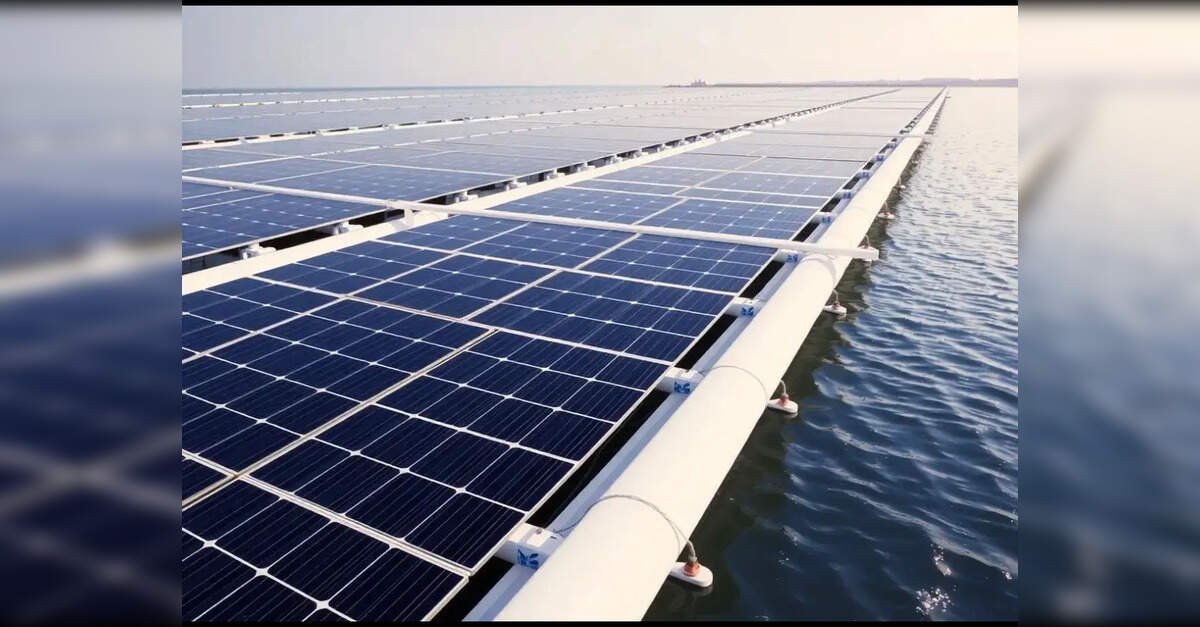
Tata Power Renewables’ Q2 FY27 project execution jumps 130% to 419 MW
According to an official release, the company also executed 131.2 MWh of battery storage projects during Q2 FY27, comprising 101.2 MWh for its own operations and 30 MWh for third-party customers. Tata Power Renewable Energy (TPREL), a subsidiary of Tata Power, on Monday said it has commissioned 419 MW of utility-scale renewable energy projects in the second quarter of FY27, registering year-on-year growth of over 130 per cent from 182 MW in the corresponding quarter last year.
According to an official release, the company also executed 131.2 MWh of battery storage projects during Q2 FY27, comprising 101.2 MWh for its own operations and 30 MWh for third-party customers.
Building on its second-quarter performance, TPREL commissioned a total of 645 MW of utility-scale renewable energy projects and 161.2 MWh of battery storage capacity during the first half of FY27. Of the total storage capacity, 101.2 MWh was developed for in-house operations, while the remaining 60 MWh was delivered to third-party customers.
With these additions, the company’s operational utility-scale portfolio has reached 7.2 GW, comprising 5.8 GW of solar capacity, 1.3 GW of wind capacity and 281.2 MWh of battery storage capacity.
The company said its expanding renewable energy portfolio continues to support India’s clean energy transition, energy security and sustainability goals.
TPREL expects to execute more than 2 GW of renewable energy projects in H2 FY27, including 1,075 MW of solar, 969 MW of wind and 274 MWh of battery energy storage systems (BESS).
In addition to its in-house projects, the company plans to execute another 300 MW of third-party projects during the second half of the financial year.
By the end of FY27, TPREL expects its operational portfolio to reach about 9.3 GW, comprising 6,899 MW of solar, 2,298 MW of wind and 555.2 MWh of battery storage capacity.
During H1 FY27, the company commissioned several major projects, including the 100.8 MW Jewali Wind Project, the Kalasar firm and dispatchable renewable energy project comprising 227.5 MW of solar capacity and 101.2 MWh of battery storage, the 100 MW Kayathar Group Captive Project and the 72.5 MW Tata Steel Captive Project.
Join the community of 2M+ industry professionals.
Subscribe to Newsletter to get latest insights & analysis in your inbox.
All about ETEnergyworld industry right on your smartphone!
- Download the ETEnergyworld App and get the Realtime updates and Save your favourite articles.
-
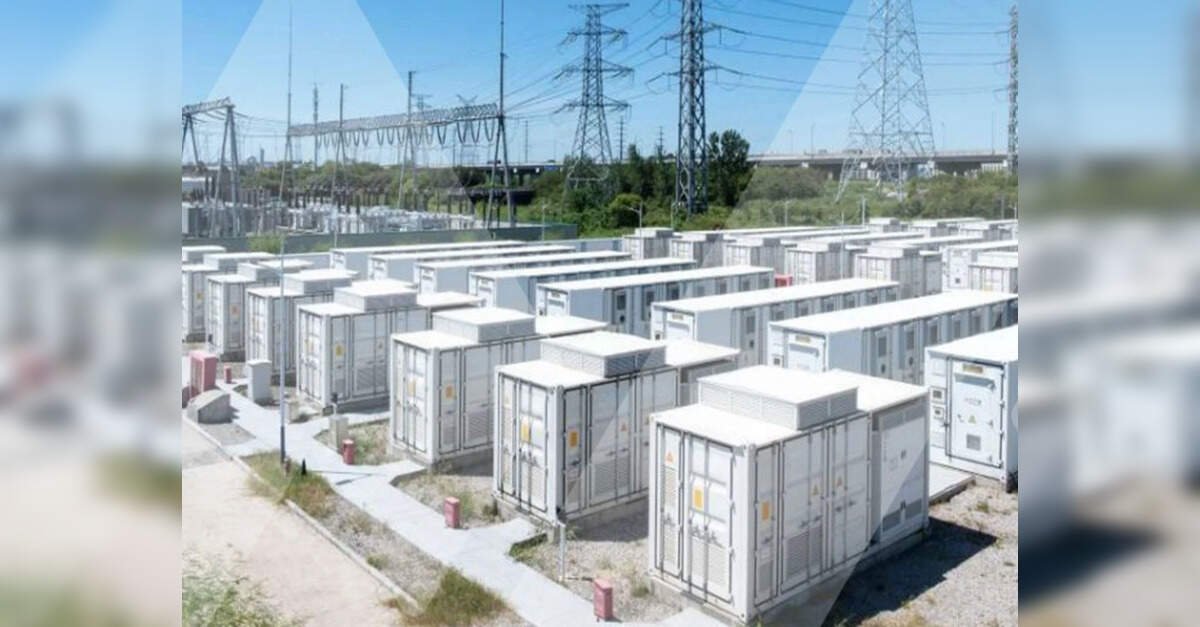
India's battery energy storage sector set for 91% growth to 302GWh by FY32E: Nuvama
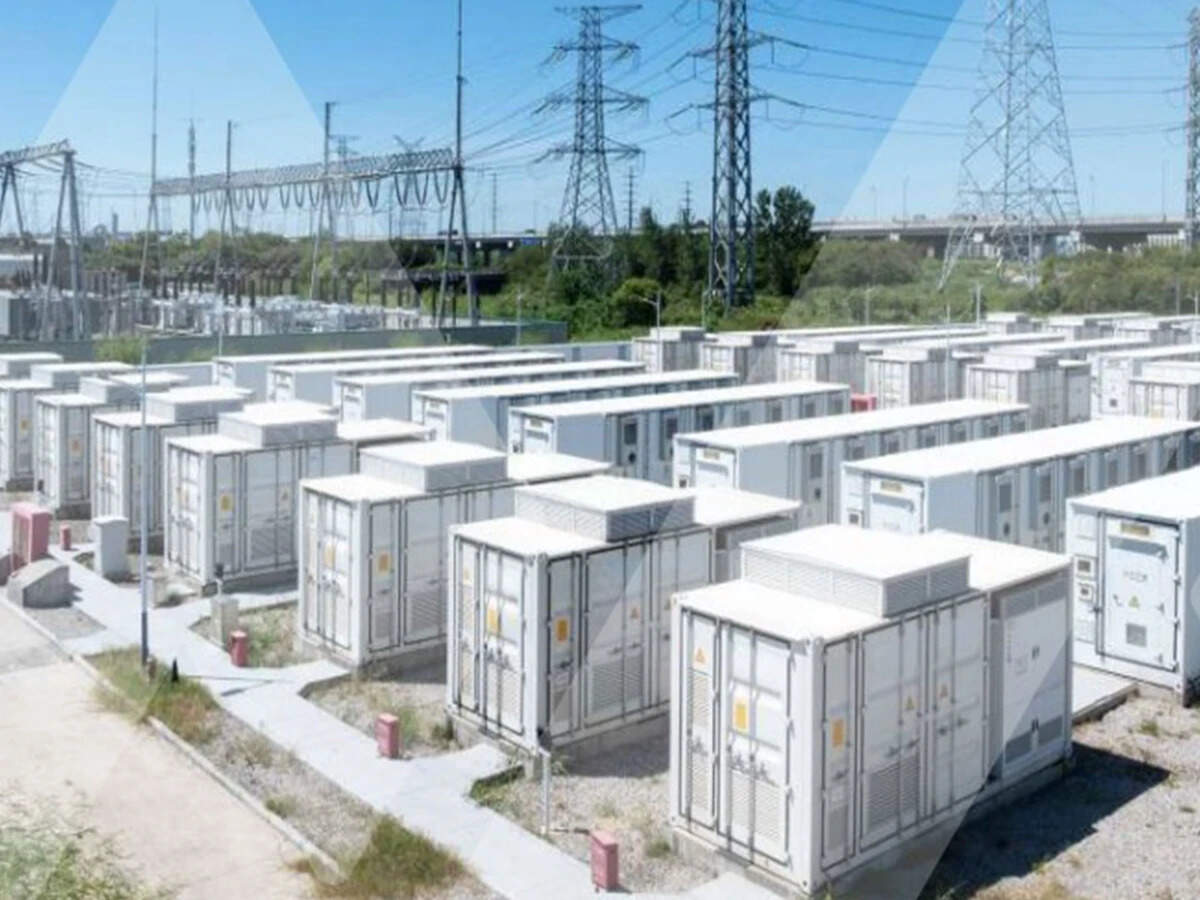
India’s battery energy storage sector is poised for rapid expansion as demand rises for grid balancing and round-the-clock renewable power. India’s Battery Energy Storage System (BESS) sector is projected to register a compound annual growth rate (CAGR) of 91 per cent between FY26 and FY32E, according to a recent report by Nuvama. The expansion reflects a critical infrastructure cycle designed to support renewable integration, grid balancing, and round-the-clock power requirements across the country.
The report noted that cumulative capacity will surge from 6.3 GWh to 302GWh over the same period, with annual additions climbing from 5.7GWh in FY26 to 56 GWh by FY32E. The report noted that the Central Electricity Authority (CEA) estimates national BESS demand at 236 GWh by FY32 and 1,840 GWh by 2047.
“We estimate annual BESS additions to rise from 5.7 GWh in FY26 to 56 GWh by FY32E, taking cumulative capacity from 6.3GWh to 302GWh (91 per cent CAGR) over FY2632E,” the report said.
“With 89 per cent of current requirements met through imports, falling battery costs, alongside a likely ALMM-like framework, could accelerate adoption, localisation and domestic capacity growth. Although Li-ion occupies 98 per cent of the BESS market, sodium-ion technology and China+1 themes are an opportunity for India,” the report added.
Manufacturing economics reveal distinct margins across end-markets, with commercial, industrial, and retail segments yielding spreads of $18 to 23 per kilowatt-hour, corresponding to EBITDA margins of 17 to 20 per cent. By contrast, the utility segment records spreads of $8 per kilowatt-hour and an EBITDA margin of 9 per cent.
“Our analysis shows attractive cell-to-pack manufacturing economics with materially differentiated spreads across end-markets,” the report noted. “Even with low spreads of USD8/kWh (EBITDA margin 9 per cent) for the Utility segment, our calculation and channel checks indicate a one-to-two-year payback.”
The report also highlighted that while returns for an integrated BESS facility yield a modest internal rate of return of 12 per cent, domestic production maintains a distinct cost advantage through capital expenditure of $80 million per gigawatt-hour, coupled with production-linked incentive support of ₹181 billion for 50 GWh and competitive labour expenses. Cell-to-pack configurations demonstrate an internal rate of return of 31 per cent.
“We believe with policy support, localisation and scale, integrated BESS could open up export-led growth,” the report noted.
Financially, BESS integration is estimated to contribute 17 to 60 per cent to company revenues by FY28. Premier presents an opportunity of ₹103 billion, representing 60 per cent of its projected FY28 revenue, while Vikram is positioned for a 54 per cent revenue uplift.
“Despite early battery ambitions and potential BESS addition of 17-60 per cent to FY28E revenue, most listed solar/BESS players’ earnings are yet to capture meaningful BESS contribution,” the report stated.
“At 17x FY27E EPS, solar/BESS trades at a 77 per cent discount to battery chemicals and a 64 per cent discount to battery IPP peers. As capacity ramps up, we believe BESS could emerge as a strong driver of earnings upgrade and valuation re-rating,” the report said.
- Published On Oct 12, 2026 at 11:26 AM IST
Join the community of 2M+ industry professionals.
Subscribe to Newsletter to get latest insights & analysis in your inbox.
All about ETEnergyworld industry right on your smartphone!
- Download the ETEnergyworld App and get the Realtime updates and Save your favourite articles.
-
AI could help India’s remote green hydrogen hubs tackle skilled manpower crunch: Honeywell Technologies
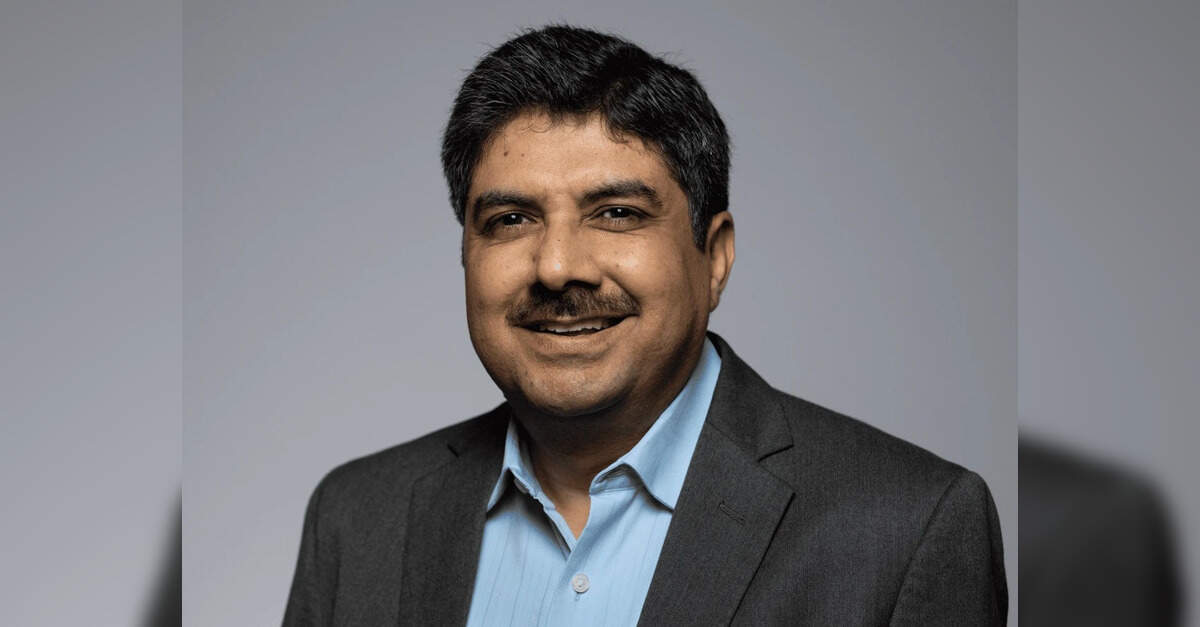
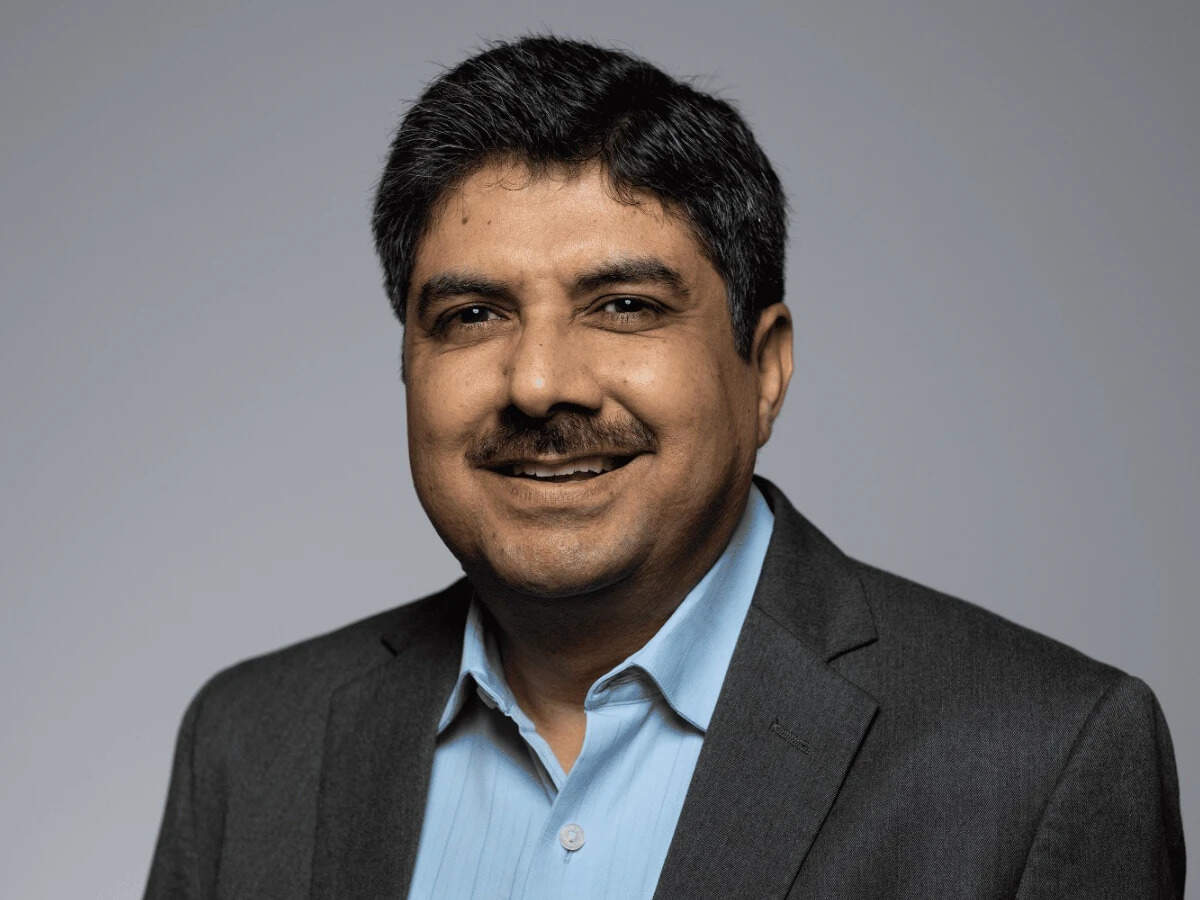
The industry’s readiness will ultimately depend on demonstrating that these systems can operate within clearly defined safety, cybersecurity and human-oversight frameworks, says Asheesh Arora. AI-assisted operations could help India’s remote green hydrogen hubs address the shortage of experienced industrial talent, says Asheesh Arora, Vice President & General Manager, Industrial Automation, Honeywell Technologies, India & APAC.
In an exclusive interaction with ETEnergyWorld, Arora said AI-enabled systems can make operational knowledge more accessible to on-site teams, support faster analysis and decision-making, and help less-experienced operators manage complex processes with appropriate human oversight.
Edited excerpts:
In your pilot projects with green hydrogen developers, how does your software help keep electrolyser stacks running safely, and which green hydrogen developers are you currently working with? What real-world data do you have on stack life and performance?
India’s green hydrogen ecosystem is in its transition phase from experimental installations to commercial scale, so reliability and stack economics continue to be important considerations. Electrolyser stacks contribute to a significant part of the total cost of producing an electrolyser, and the performance of stacks can vary based on factors including operational conditions, cycling loads, and water purity. The larger the installations become, the more need there will be to monitor such metrics.
Honeywell Technologies’
Hydrogen Electrolyzer Control System is designed to work across PEM, alkaline and AEM electrolyser technologies and provide continuous monitoring of operating and performance indicators. The objective is to help operators monitor electrolyser degradation, identify changes in equipment behaviour early and take corrective action before they translate into a larger reliability and cost issue. Degradation directly impacts cost of energy and plant operating expenses; hence, monitoring degradation is critical to control cost of energy and green hydrogen
We are engaging with a growing set of developers across India’s emerging hydrogen ecosystem, and HECS is central to how we support electrolyzer reliability as projects move from pilot to commercial scale.
In commercial setups like TruAlt’s aviation fuel plant, how does your automation stop contaminated feedstocks from ruining catalysts without shutting down the entire facility?
Feedstock variability and contamination are established operational risks in renewable-fuel production because contaminants can affect catalyst performance, product quality, and plant economics. The ability to identify a deviation early and respond at the appropriate point in the process is therefore critical, particularly as new fuel pathways move from demonstration to commercial scale.
TruAlt Bioenergy’s
-tonne-per-year SAF project uses Honeywell Technologies’ Ethanol-to-Jet technology. In such an operating environment, automation and safety systems can provide continuous visibility into process conditions and feed quality, while defined alarms, interlocks, and isolation procedures help operators respond to abnormal conditions without unnecessarily taking the entire facility offline.
Honeywell Technologies’ Experion distributed control and safety systems are designed to give operators the process visibility and control needed to manage these conditions. The broader principle is straightforward: protect the catalyst and the process by detecting deviations early, isolating the affected section where the process design allows it, and enabling the rest of the facility to continue operating safely. This layered approach – sensing, alarming, and isolating in sequence, rather than defaulting to a full shutdown is not unique to SAF plants. The same architecture applies across renewable-fuel and biofuel facilities handling variable feedstocks, where an unplanned outage carries a much higher cost than the automation that could have prevented it.
Indian renewable developers face intense pressure to bid the lowest possible power tariffs in government tenders. Are companies buying cheaper, basic control systems instead of heavy-duty safety systems to keep initial building costs down?
Cost competitiveness is a central consideration for India’s emerging green hydrogen industry. Developers are balancing the cost of renewable power, electrolysers, storage, infrastructure and other plant systems while trying to build projects that remain commercially viable over the long term. In that environment, the initial purchase price of automation cannot be viewed separately from reliability, safety and lifecycle performance.
The key question is therefore not whether developers should spend more on automation, but whether the control and safety architecture is appropriately designed for the operating and risk profile of the plant. A lower upfront specification may appear attractive, but the consequences of an avoidable trip, prolonged downtime, equipment damage or a safety incident can extend well beyond the original equipment cost.
Honeywell Technologies’ approach is to right-size automation and safety solutions to the scale and requirements of the project. For developers competing in a price-sensitive market, the objective is to maintain the level of plant integrity required for safe and reliable operations without over-engineering the solution. The broader industry shift is towards evaluating automation as part of total project economics and lifecycle risk, rather than treating it only as an upfront capex line item.
Honeywell Technologies’ bought turbomachinery specialist CCC, pump maker Sundyne, and Johnson Matthey’s catalyst division. Why are you packaging these together and what does this mean for Indian developers who prefer mixing and matching cheaper standalone vendors to keep their capex low?
Energy-transition projects are becoming increasingly interconnected. A green hydrogen, SAF or other low-carbon process may involve process technology, catalysts, rotating equipment, controls and digital systems that all must perform reliably within the same operating environment. For developers, this makes integration, commissioning, lifecycle support and clear accountability important alongside the upfront equipment price.
Honeywell Technologies’ acquisitions of
Compressor Controls Corporation
,
and
Catalyst Technologies business broaden the portfolio across critical equipment, process technologies, catalysts and automation. Together, they strengthen combined syngas capabilities spanning methanol, ammonia, hydrogen and low-carbon fuel value chains. The strategic rationale is to bring complementary capabilities together so customers can access a more connected set of technologies and lifecycle services.
For Indian developers, this does not mean they have to abandon a multi-vendor approach. Rather, an integrated offering can reduce the number of interfaces that need to be coordinated across technology, engineering, commissioning and lifecycle support, while providing a single point of accountability across the relevant solution stack.
As India develops first-of-a-kind energy-transition projects, the value of this approach will be measured not simply by the number of components supplied, but by how effectively those components work together through engineering, deployment and operations.
Many of India’s planned green hydrogen hubs sit in remote coastal pockets where experienced chemical engineers don’t want to relocate. Is the Indian industry genuinely open and ready to letting AI run plants remotely with less operators on-site?
Access to experienced industrial talent is an important consideration as green hydrogen projects develop in remote locations. The challenge is not unique to hydrogen: process industries globally are managing an experienced workforce that is becoming harder to replace, while new projects are often located away from established industrial centres.
For India’s hydrogen hubs, AI-assisted operations can help address this gap by making operational knowledge more accessible to teams on site and supporting operators with faster analysis, recommendations and decision support. Honeywell Technologies’ Protonium Unified Control and Optimisation is an AI-enabled offering which automates Green Hydrogen and Green Ammonia performance, plantwide energy management and optimises plant operation for large electrolyser fleets with minimal operator intervention. The objective is not to remove people from the operating model; it is to augment their capabilities and help less-experienced teams manage complex processes with appropriate oversight.
Honeywell Technologies’
provides autonomous control-room support, and the company’s
is intended to bring autonomous operations capabilities to Indian customers. These technologies point towards a model where routine monitoring and optimisation can increasingly be supported by AI, while human operators retain responsibility for critical decisions and safety.
The industry’s readiness will ultimately depend on demonstrating that these systems can operate within clearly defined safety, cybersecurity and human-oversight frameworks. For remote green hydrogen hubs, AI-assisted operations can therefore be an important enabler of scalability, rather than a substitute for skilled people.
Join the community of 2M+ industry professionals.
Subscribe to Newsletter to get latest insights & analysis in your inbox.
All about ETEnergyworld industry right on your smartphone!
- Download the ETEnergyworld App and get the Realtime updates and Save your favourite articles.
-

Adani's Kutch Copper plans 115 MW renewable energy push at Mundra refinery
- Published On Oct 11, 2026 at 05:32 PM IST
Kutch Copper Ltd, a part of Adani Enterprises, plans to integrate 115 megawatts of renewable energy into operations. The copper refinery in Mundra aims to expand from 500,000 tonnes to 1 million tonnes per annum. New Delhi: Adani Enterprises Ltd‘s Kutch Copper Ltd plans to integrate 115 megawatts of renewable energy into its operations as it looks to reduce emissions, conserve water and improve resource efficiency at its copper refinery in Mundra, Gujarat.
The company currently operates a copper smelter with a capacity of 5,00,000 tonnes per annum and plans to expand it to 1 million tonnes, which would make it the world’s largest single-location custom smelter, according to the company.
In its maiden sustainability report, Kutch Copper outlined plans to embed environmental, social and governance considerations into its operations as demand for the metal grows on the back of energy transition investments, electric mobility, power transmission and industrial expansion.
“A key element of our sustainability strategy is the planned integration of 115 megawatts of renewable energy, a significant step towards reducing the carbon footprint of our operations and advancing long-term decarbonisation goals,” the company said.
Copper is a key material for clean energy technologies and electrification, placing the metal at the centre of efforts to cut carbon emissions.
Kutch Copper said it aims to scale up production while integrating sustainability considerations into business decisions, operations and stakeholder engagement.
The company said it operates on nearly 100 per cent desalinated water and follows a zero-liquid-discharge approach to reduce dependence on freshwater and improve water conservation.
“We are currently treating 99.8 per cent of sulphur emissions, reflecting our commitment to adopting global standards in environmental stewardship and pollution control by leveraging advanced environmental technologies,” Kutch Copper said in the report.
Beyond its manufacturing operations, the company said it is investing in community programmes focused on healthcare, education, livelihoods and social development.
The Adani Group has committed $1.2 billion to the project, according to the company.
The group sees the domestic copper industry as playing a key role in India’s ambition to achieve carbon neutrality by 2070, supported by investment in green infrastructure and environmental management.
- Published On Oct 11, 2026 at 05:32 PM IST
Join the community of 2M+ industry professionals.
Subscribe to Newsletter to get latest insights & analysis in your inbox.
All about ETEnergyworld industry right on your smartphone!
- Download the ETEnergyworld App and get the Realtime updates and Save your favourite articles.