Category: Renewable Energy

  • UP bets on renewable energy to power industrial and agricultural growth

    UP bets on renewable energy to power industrial and agricultural growth

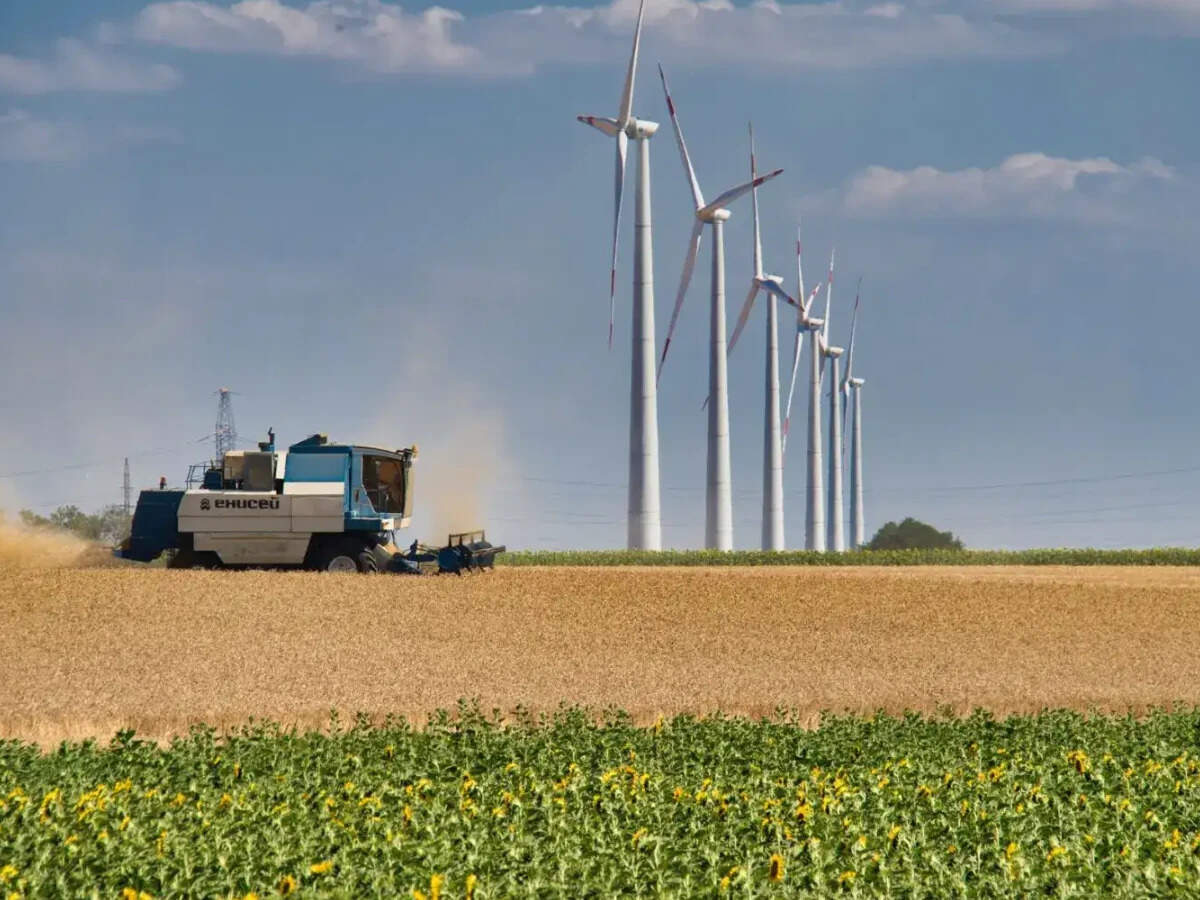
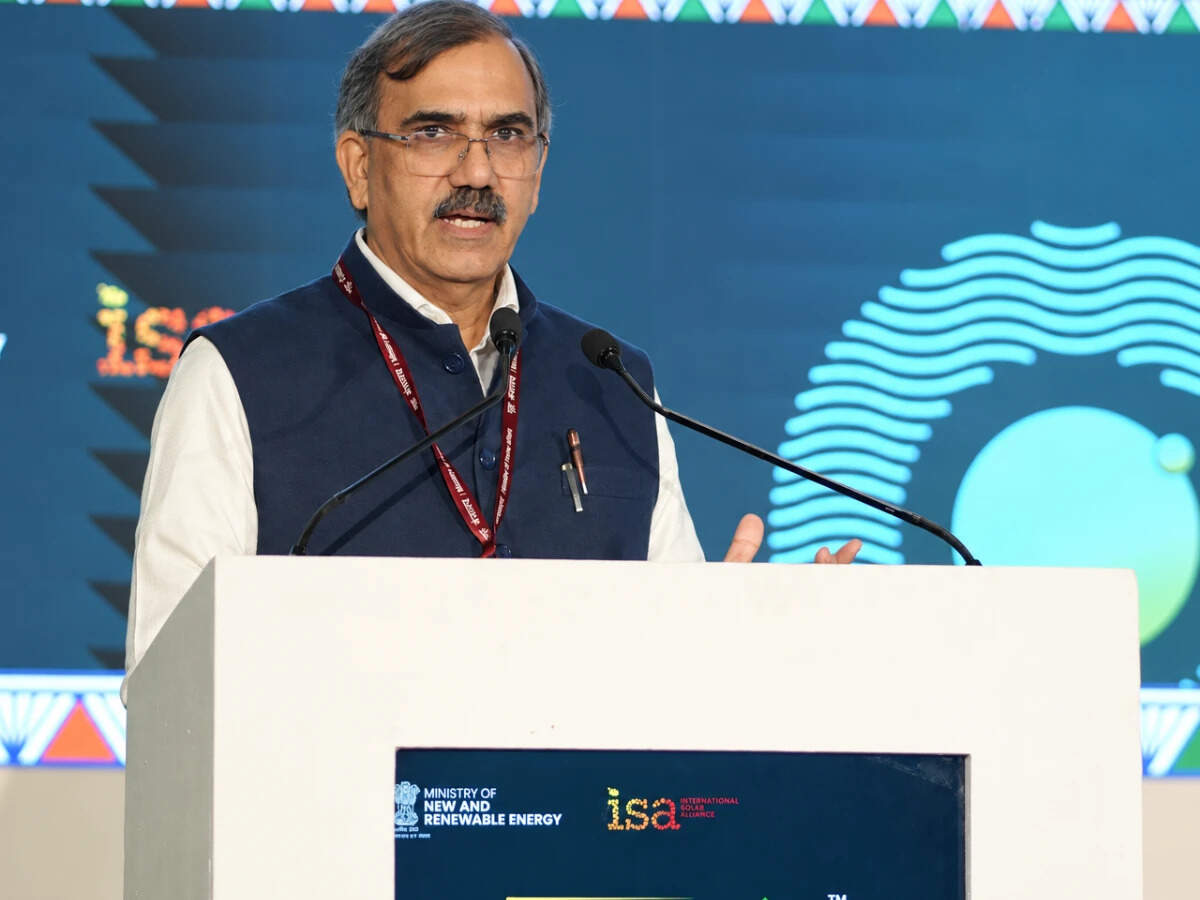
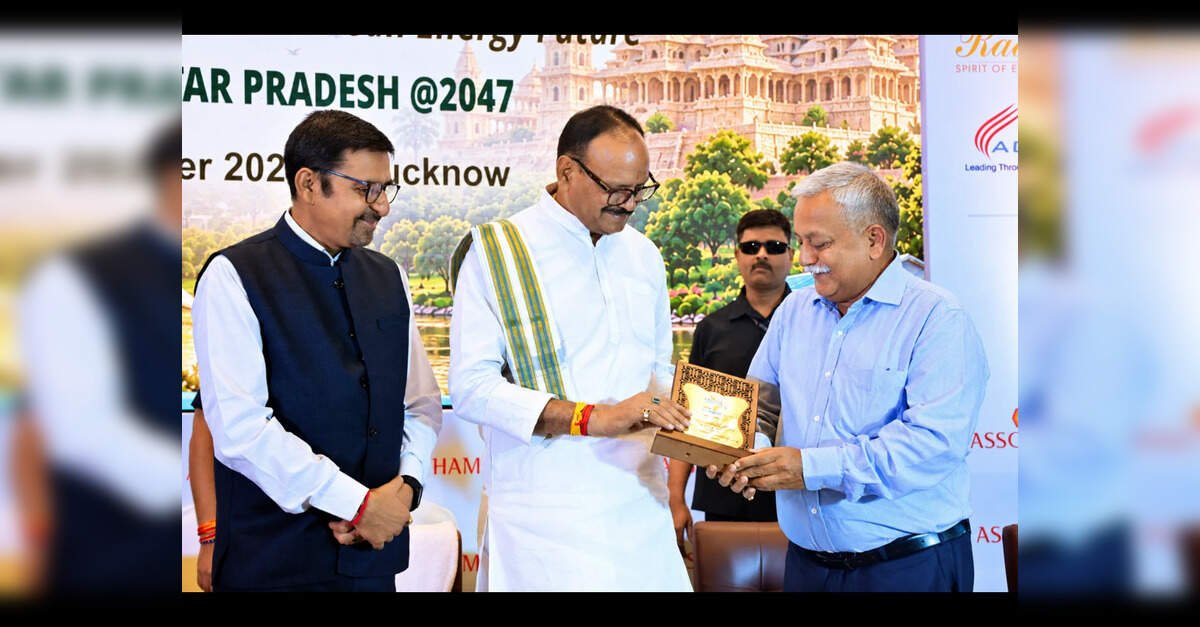
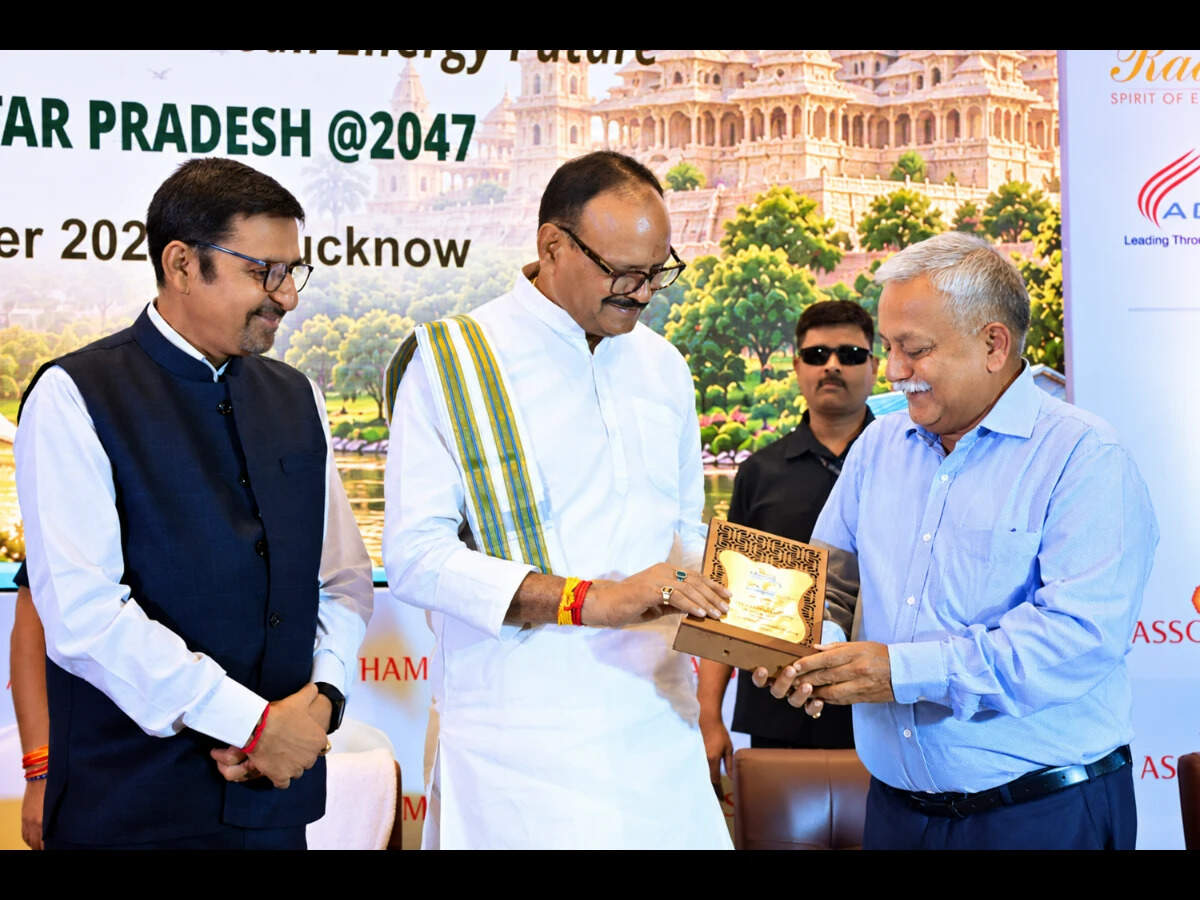
    Deputy Chief Minister Brajesh Pathak, who attended the event as chief guest, said the state was stepping up investment in renewable energy, which he described as a priority sector.
    Deputy Chief Minister Brajesh Pathak, who attended the event as chief guest, said the state was stepping up investment in renewable energy, which he described as a priority sector.

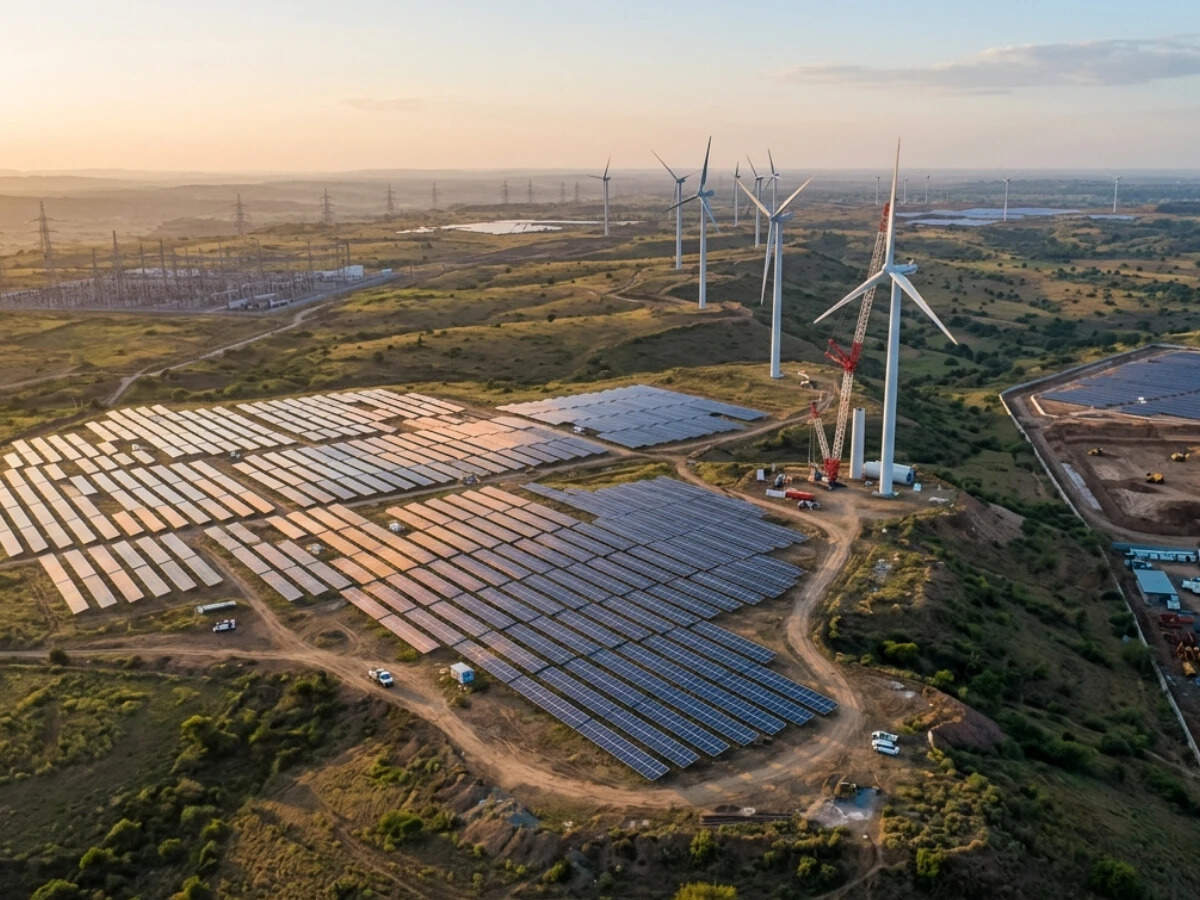
    Uttar Pradesh is looking to strengthen its renewable energy ecosystem to support industrial expansion and agricultural growth, with the state government signalling continued investment in clean energy infrastructure, green hydrogen and emerging energy technologies.

    The focus was highlighted at Uttar Pradesh Urja Sangam 2026, organised by the ASSOCHAM India in association with the Uttar Pradesh New and Renewable Energy Development Agency (UPNEDA) and Invest UP. The conclave brought together government representatives, industry stakeholders and financial institutions to discuss opportunities across manufacturing, project execution and power offtake.

    Renewable energy push gathers pace

    Deputy Chief Minister Brajesh Pathak, who attended the event as chief guest, said the state was stepping up investment in renewable energy, which he described as a priority sector. He pointed to the expansion of the sector since 2017, including the establishment of new distribution units and progress in grid integration, as part of the state’s efforts to reduce carbon emissions.

    Pathak also highlighted India’s role in establishing the International Solar Alliance and underscored the importance of central government programmes such as the PM Surya Ghar Muft Bijli Yojana and PM-KUSUM in advancing solar adoption.

    These initiatives, he said, were encouraging farmers to use available land for solar power generation while reducing their electricity costs. He also said Uttar Pradesh had emerged as the country’s leading state in rooftop solar installations.

    Biogas and green energy open investment avenues

    Awanish Kumar Awasthi, Advisor to the Chief Minister, said Uttar Pradesh offered significant opportunities for investment in green energy, adding that the state was well placed to expand its sustainable energy ecosystem. He also expressed confidence in India’s potential to emerge as a global leader in the sector.

    Highlighting the state’s compressed biogas (CBG) ecosystem, Awasthi said Uttar Pradesh had 37 CBG plants installed or operational, with a combined production capacity of approximately 237 tonnes per day (TPD).

    He also pointed to the Centre’s GOBARdhan initiative, which seeks to convert cattle dung, agricultural residue and other organic waste into commercially valuable products, including biogas, compressed biogas and organic manure.

    The potential to link agricultural waste management with clean energy production offers another avenue for investment, particularly as the state looks to develop a broader ecosystem around bioenergy and other low-carbon fuels.

    Green hydrogen and electrolysers in focus

    A key panel at the conclave examined electrolyser manufacturing and green hydrogen, with discussions centred on technology, policy frameworks, market opportunities and investment prospects.

    The panel brought together Sandeep Singh Chadha, Chief of Staff and Vice President, Growth and Strategy, SAEL; Zeeshan Raza, Deputy General Manager at Tata Motors; Rohit Mahajan, Assistant General Manager at J&K Bank; Himanshu Joshi, Assistant Sales Manager at IDFC FIRST Bank; and Mallika Modi, Director and Chief Business Development Officer at Zero Footprint Industries Ltd.

    The participation of industry representatives and financial institutions reflected the importance of linking technology development and manufacturing with access to capital, commercial viability and the development of markets for green hydrogen. These factors will be central to building a competitive domestic electrolyser manufacturing ecosystem and scaling green hydrogen projects.

    Solar manufacturing and project execution

    A separate session focused on solar manufacturing and project execution, covering floating solar, solar manufacturing policy and industry readiness, as well as the implementation of government programmes designed to expand solar adoption.

    Discussions covered the PM Surya Ghar scheme, PM-KUSUM and PM-SSY, with the broader agenda addressing the policy and execution requirements for scaling solar manufacturing and deployment. The session highlighted the importance of translating policy support into investment, manufacturing capabilities and projects that can be implemented at scale.

    Linking clean energy with agriculture

    Agriculture also featured in discussions on the transition to cleaner energy. Awasthi highlighted inefficiencies in conventional fertiliser use, noting that a significant proportion of nitrogen applied through urea does not reach crops. He also referred to the growing use of green ammonia, which can play a role in reducing the carbon intensity of fertiliser production.

    The intersection of renewable power, green hydrogen, ammonia and bioenergy could create opportunities across manufacturing, agricultural inputs and waste-to-energy projects, provided these technologies can be scaled commercially.

    Join the community of 2M+ industry professionals.

    Subscribe to Newsletter to get latest insights & analysis in your inbox.

    All about ETEnergyworld industry right on your smartphone!

  • GSFC seeks joint venture partner for green ammonia factory in Gujarat

    GSFC seeks joint venture partner for green ammonia factory in Gujarat

    Shambhavi Anand

    Gujarat State Fertilizers and Chemicals plans to develop a green ammonia plant at its Sikka facility in Jamnagar, with an annual capacity of at least 500,000 tonnes.
    Gujarat State Fertilizers and Chemicals plans to develop a green ammonia plant at its Sikka facility in Jamnagar, with an annual capacity of at least 500,000 tonnes.

    Gujarat State Fertilizers and Chemicals (GSFC) is looking for a joint venture partner to set up a green ammonia plant with an annual capacity of at least 500,000 tonnes at its Sikka facility in Jamnagar, Gujarat, as India steps up efforts to replace fossil fuel-based ammonia used in fertiliser manufacturing.

    The Gujarat government-promoted company is looking at joining hands with Indian and overseas companies, investors and consortiums to develop the project, which it aims to commission before December 2030.

    GSFC is seeking partners who can bring investment, technology and renewable energy expertise, along with long-term purchase commitments from potential customers. The company is particularly targeting export markets in Europe, Japan and South Korea.

    According to the company’s proposal, the project would require about 2-3 gigawatts of solar and wind power capacity to produce an estimated 90,000-100,000 tonnes of green hydrogen annually, which would then be used to manufacture ammonia.

    GSFC plans to sell about 90 per cent of the proposed output to overseas and domestic customers, while using the remaining 10 per cent in its own fertiliser operations. The proposed joint venture structure allows GSFC to hold up to 51 per cent equity, although the final terms will depend on discussions with prospective partners.

    Join the community of 2M+ industry professionals.

    Subscribe to Newsletter to get latest insights & analysis in your inbox.

    All about ETEnergyworld industry right on your smartphone!

  • Prozeal Green Energy to handover 100 MW RE project to European IPP in ₹460 crore deal

    Prozeal Green Energy to handover 100 MW RE project to European IPP in ₹460 crore deal

    Gujarat-based Prozeal Green Energy is an independent power producer (IPP) and provides engineering, procurement, and construction (EPC) in the renewable energy space.
    Gujarat-based Prozeal Green Energy is an independent power producer (IPP) and provides engineering, procurement, and construction (EPC) in the renewable energy space.

    Prozeal Green Energy has signed an agreement to hand over a 100-megawatt solar project to a European entity in a ₹460 crore deal.

    The proposed transaction remains subject to necessary approvals, Prozeal Green Energy said in a statement.

    The company said it has entered into a framework agreement with a European IPP (independent power producer) to divest a 100 MW solar project in Gujarat for about ₹4,600 million (₹460 crore).

    The project is currently scheduled to become operational in 2027.

    Manan Thakkar, co-founder and Managing Director of Prozeal Green Energy, said demand for renewable energy solutions is growing in India’s commercial and industrial sector, and this partnership is structured to meet those needs.

    Gujarat-based Prozeal Green Energy is an independent power producer (IPP) and provides engineering, procurement, and construction (EPC) in the renewable energy space.

    • Published On Oct 9, 2026 at 03:39 PM IST

    Join the community of 2M+ industry professionals.

    Subscribe to Newsletter to get latest insights & analysis in your inbox.

    All about ETEnergyworld industry right on your smartphone!

  • Aditya Birla Renewables seeks $1.5 billion in rupee loans to acquire Shell unit

    Aditya Birla Renewables seeks $1.5 billion in rupee loans to acquire Shell unit

    ETEnergyWorld Desk

    Aditya Birla Renewables is now exploring longer-term, project-level financing, backed by assets and generally costing less than bridge loans. (Representational image)
    Aditya Birla Renewables is now exploring longer-term, project-level financing, backed by assets and generally costing less than bridge loans. (Representational image)

    Aditya Birla Renewables is seeking $1.5 billion in rupee-denominated loans to fund its $1.8 billion acquisition of Shell’s Indian renewable energy business, aiming to avoid costlier bridge financing, Reuters reported, citing sources familiar with the discussions.

    The renewable energy arm of the Aditya Birla Group had earlier secured a $1.6 billion bridge loan commitment from MUFG Bank to finance the acquisition of Solenergi Power, a Shell unit that includes the Sprng Energy group companies.

    The two companies agreed to the deal in July.

    Aditya Birla Renewables is now exploring longer-term, project-level financing, backed by assets and generally costing less than bridge loans. The proposed loans are expected to have a tenor equivalent to about 80 per cent of the projects’ lifecycles, a source said.

    The financing is likely to be split across 17-20 special purpose vehicles holding individual projects, including operational assets and projects under construction, the report added.

    Bridge loans are short-term borrowings used to meet immediate funding needs and typically carry higher borrowing costs, while longer-term project financing is backed by assets and reduces the cost of funding. Rupee-denominated loans are borrowed and repaid in Indian currency, which can help reduce foreign exchange risk compared with dollar-denominated borrowing.

    Banks approached for project financing

    Aditya Birla Renewables has approached several Indian lenders, including State Bank of India and HDFC Bank, for the proposed loans, according to the report.

    The company is not immediately required to pay Shell because the transaction has yet to close, giving it time to finalise the financing structure.

    Aditya Birla Renewables is yet to comment on the matter. MUFG Bank, SBI and HDFC Bank also did not respond to requests for comment.

    The sources declined to be identified, saying they were not authorised to speak to the media.

    Join the community of 2M+ industry professionals.

    Subscribe to Newsletter to get latest insights & analysis in your inbox.

    All about ETEnergyworld industry right on your smartphone!

  • Beyond electricity: Why green hydrogen is central to India's energy transition

    Beyond electricity: Why green hydrogen is central to India's energy transition

    Shri Abhay Bakre, Mission Director, National Green Hydrogen Mission
    Shri Abhay Bakre, Mission Director, National Green Hydrogen Mission

    Q1. India has crossed 300 GW of non-fossil fuel capacity and is racing toward 500 GW. Yet you’ve argued that electricity alone cannot complete the energy transition. Why is that?

    The way we talk about India’s energy transition, we often default to installed capacity and power generation. But electricity accounts for only around 23 per cent of the energy our economy actually consumes. The remaining 76 to 77 per cent is consumed in the form of molecules with fuels like coal, oil and gas. And most of those molecules we are importing today.

    That’s the structural challenge. As our economy grows, so does our energy demand and the need for molecules across industry. Renewable electricity is already transforming the energy landscape, and the next opportunity is to extend that transformation to the molecular side of our energy system. This is where green hydrogen can play a central role, helping decarbonise hard-to-abate sectors and enabling a more sustainable, resilient energy future.

    Q2. What does the investment opportunity around green hydrogen actually look like? The numbers being cited are significant.

    Producing 1 million tonnes of green hydrogen requires roughly ₹1.5 lakh crore in investment. Our national target under the mission is 5 million tonnes of annual production by 2030. That puts the investment potential in hydrogen production alone at ₹8 to 10 lakh crore. And that’s before you factor in the associated infrastructure like pipelines, storage, transportation and port facilities needed to move green hydrogen and its derivatives at scale.

    This is not a niche opportunity. It is one of the largest investment frontiers in India’s clean energy story, and it spans manufacturing, infrastructure and technology in equal measure.

    Q3. The immediate focus of the mission is on replacing grey hydrogen in fertilisers and refineries. But you’ve spoken about the need to create demand well beyond those sectors. How do you see that unfolding?

    The fertiliser and refinery sectors are the logical starting point because they already consume more than 6 million tonnes of grey hydrogen. Replacing that with green hydrogen is the most direct and near-term application. We’ve already awarded our first green ammonia tender, which could help displace 25 to 30 per cent of India’s grey ammonia imports.

    But if we stop there, we limit the scale. And scale is what drives cost reduction. The first fundamental challenge with green hydrogen is cost, and cost can only come down if demand is large enough to justify scale. So, we are actively working to open new sectors like mobility, steel, process industries and shipping.

    We have hydrogen-powered truck and bus trials running across more than 20 identified highways, with over six fuelling stations operational. We expect 45 to 50 hydrogen-powered vehicles in trials by the end of 2026 and are targeting at least 400 to 500 hydrogen buses or trucks operating by 2030. Even capturing a small share of maritime fuel demand would create meaningful volumes, given the scale of global shipping.

    Q4. India is also being positioned as a future export hub for green hydrogen derivatives. How competitive is India’s position realistically?

    India has a strong and genuine advantage here — our renewable energy costs are among the lowest in the world, and the ability to produce green hydrogen cheaply depends directly on the cost of the renewable electricity used to make it. That translates into a competitive position for green hydrogen derivatives like green ammonia and green methanol, which are far easier to transport over long distances than hydrogen itself.

    Countries that currently import fossil fuels are actively looking to shift towards cleaner fuel supplies. India can be that supplier. The Pudimadaka green hydrogen hub near Visakhapatnam, our first dedicated hub under the mission, is being developed with a significant focus on the export market and involves an investment of approximately ₹1.85 lakh crore. That’s a signal of how seriously we are taking the export dimension.

    Q5. There’s been consistent emphasis on domestic manufacturing like electrolysers, fuel cells, hydrogen equipment. Where does that stand?

    This is non-negotiable for us. We cannot build a green hydrogen ecosystem on imported components. It would recreate the same dependency we are trying to eliminate.

    We have so far awarded 3,000 MW per annum of electrolyser manufacturing capacity under the mission. The technology and collaboration opportunities are significant and we’ve seen strong interest from countries like Germany, where the technology is advanced, and where there is real appetite to combine German technical capability with India’s manufacturing cost advantage. That is the kind of partnership that can accelerate both the domestic and export ambitions simultaneously. But the goal is clear: India needs to manufacture the core equipment of the hydrogen economy, not just consume it.

    Q6. BRE Summit 2026 in November will host the 4th International Conference on Green Hydrogen alongside the main summit and the ISA Assembly. What does that convergence mean for the mission?

    It is a genuinely significant moment. For the first time, we are bringing three major renewable energy events under a single platform. The BRE Summit and Expo, the 9th Session of the ISA Assembly and the 4th International Conference on Green Hydrogen. That’s not just a logistical achievement; it reflects how interconnected these agendas have become.

    The green hydrogen conference will sit at the heart of a broader conversation about policy, capital, technology and international partnerships, all in the same room, at the same time. In the Bharat Renewable Energy Summit 2026, we are expecting participation from 130+ countries, 20+ state Governments, 75000+ Participants, 500+ Speakers with around 80+ Technical sessions and Policy sessions covering emerging technologies, investment opportunities and the frameworks needed to scale the sector.

    The summit happens at exactly the right moment. Early enough in the mission’s lifecycle to shape the next phase, and large enough in its reach to bring in the global partnerships that will define whether India realises its green hydrogen potential. I would invite everyone working across the hydrogen value chain, developers, manufacturers, technology providers, financiers and policymakers to join us in New Delhi from 2 to 5 November.

    (Disclaimer: This content is published under the Brand Connect Initiative and is independent of the newsroom’s editorial coverage.)

    Join the community of 2M+ industry professionals.

    Subscribe to Newsletter to get latest insights & analysis in your inbox.

    All about ETEnergyworld industry right on your smartphone!

  • Waaree, Premier, Vikram Solar Q2 preview: Sales set to jump, but margins may shrink

    Waaree, Premier, Vikram Solar Q2 preview: Sales set to jump, but margins may shrink

    Waaree, Premier, Vikram Solar Q2 preview: Sales set to jump, but margins may shrink
    Waaree, Premier, Vikram Solar Q2 preview: Sales set to jump, but margins may shrink

    Domestic solar equipment manufacturers, Waaree Energies, Premier Energies and Vikram Solar are poised for a quarter characterised by steady top-line expansion alongside gradual margin recovery, according to an earnings preview note by institutional brokerage firm PL Capital.

    The brokerage projects a moderate performance in the second quarter of financial year 2026-27 (Q2FY27) across our solar equipment manufacturing coverage, underpinned by strong domestic solar additions, newly commissioned capacities, robust order inflows, and backward integration.

    Waaree Energies

    For Waaree Energies, PL Capital forecasts revenue to grow 27.6 per cent YoY to ₹7,742.8 crore, compared to the year-ago quarter. However, adjusted profit after tax (PAT) is projected to decline 25.7 per cent YoY to ₹626.4 crore.

    Operating profitability is also likely to contract, with EBITDA margin estimated at 15.1 per cent versus 23.2 per cent in the base period. The brokerage noted “higher contribution from the US market and domestic retail & C&I, which offer better realisations than utility-scale projects, is offset by higher raw material costs”.

    Premier Energies

    Premier Energies is expected to deliver steady growth, with revenue projected to rise 35.6 per cent YoY to ₹2,491.1 crore. Adjusted PAT is estimated to increase 18.9 per cent YoY to ₹420.2 crore, while EBITDA margin is expected at 26.8 per cent compared to 30.5 per cent in the corresponding quarter last year.

    PL Capital said that revenue momentum is being driven by improved capacity utilisation and higher contribution from cell revenue. Additionally, the company has commissioned its 7 GW cell manufacturing plant at Naidupeta, expanding aggregate cell capacity to 10.6 GW, which will begin contributing from Q3FY27.

    Vikram Solar

    Vikram Solar is anticipated to post the strongest top-line growth among the three, with revenue rising 58 per cent YoY to ₹1,754.1 crore. Despite volume growth, profitability remains under pressure; adjusted PAT is projected to contract 69.9 per cent YoY to ₹38.7 crore, with EBITDA margin shrinking to 8.5 per cent from 21.2 per cent in the prior-year period.

    PL Capital indicated that volumes are aided by the ramp-up of the Gangaikondan facility and a 1GW domestic cell supply pact with Avaada, though easing cell shortages and a competitive pricing environment could limit margin expansion.

    Ratings:

    In terms of stock calls, PL Capital has upgraded Premier Energies to a ‘Buy’ rating from ‘Accumulate’ with a target price of ₹1,316. The brokerage maintained its ‘Buy’ rating on Waaree Energies with a target price of ₹3,494, while reiterating an ‘Accumulate’ rating on Vikram Solar with a target price of ₹162.

    Disclaimer: This article has been written by the author, who is not a SEBI-registered research analyst or investment adviser. The recommendations, suggestions, views and opinions expressed by experts and brokerages are their own and do not represent the views of ETEnergyWorld. This article should not be construed as investment advice.

    Join the community of 2M+ industry professionals.

    Subscribe to Newsletter to get latest insights & analysis in your inbox.

    All about ETEnergyworld industry right on your smartphone!

  • Google, Amazon, Meta, Apple fuel India's renewable energy boom as data centre demand surges

    Google, Amazon, Meta, Apple fuel India's renewable energy boom as data centre demand surges

    Prashant Mukherjee

    Google, Amazon and Meta are expanding renewable power procurement in India as data centre and AI infrastructure drive electricity demand.
    Google, Amazon and Meta are expanding renewable power procurement in India as data centre and AI infrastructure drive electricity demand.

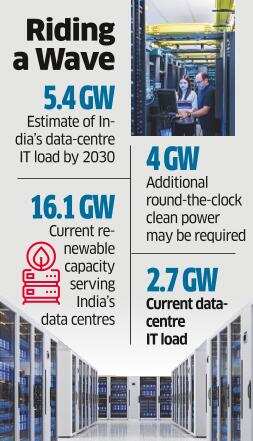
    Google, Amazon, Meta and Apple have emerged as major corporate buyers of renewable power in India, as their data centre expansion pushes up demand for clean electricity. Renewable capacity required to serve India’s data centres could increase to 32.4 GW by 2030 from 16.1 GW this year, according to Anand Rathi Research’s latest report.

    The sharp increase is being driven by the rapid growth of data centres and artificial intelligence (AI). India’s data-centre IT load is estimated to increase to 5.4 GW by 2030 from 2.7 GW in 2026. Meeting this demand could necessitate about 4 GW of additional round-the-clock clean power.

    This is creating a new market for renewable energy developers. Instead of relying solely on state distribution companies, large technology companies are increasingly looking to secure power directly through long-term contracts. Hyperscalers are seeking 15-20 year power purchase agreements (PPAs). This gives renewable developers a more predictable revenue stream and allows them to build projects against long-term corporate demand.

    Meta has contracted nearly 1 GW of new renewable energy in India, including 837 MW of solar and wind projects with Clean Max Enviro Energy Solutions (CleanMax), and another 88 MW with Fourth Partner Energy. It has also tied up with Reliance Industries for a 168 MW AI-enabled data centre in Jamnagar, Gujarat. Amazon has signed wind PPAs in India totalling 199 MW with CleanMax and BluPine Energy, while its India renewable portfolio includes 50 wind and solar projects. Google has signed a long-term agreement supporting a 150 MW solar project in Rajasthan, having previously backed 186 MW of wind and solar capacity in India.

    Mumbai-based CleanMax is among the companies benefiting from this shift. Data and AI already account for about 42% of its contracted renewable power sales capacity, while the company has secured more than 35% of hyperscaler deals signed in India, according to the research.

    The economics are attractive for both sides. Corporate consumers can negotiate renewable power directly with developers, while group-captive and open-access structures can lower their electricity costs compared with conventional grid supply.

    The growth of virtual PPAs and energy attribute purchase agreements is further expanding the market. These structures allow global companies to secure renewable energy attributes and meet carbon reduction targets even when physical power delivery is not directly linked to their facilities. Hyperscalers offer developers stable, long-term contracts, while tech companies increasingly view renewable energy as essential to managing increasing data centre power costs.

    Join the community of 2M+ industry professionals.

    Subscribe to Newsletter to get latest insights & analysis in your inbox.

    All about ETEnergyworld industry right on your smartphone!