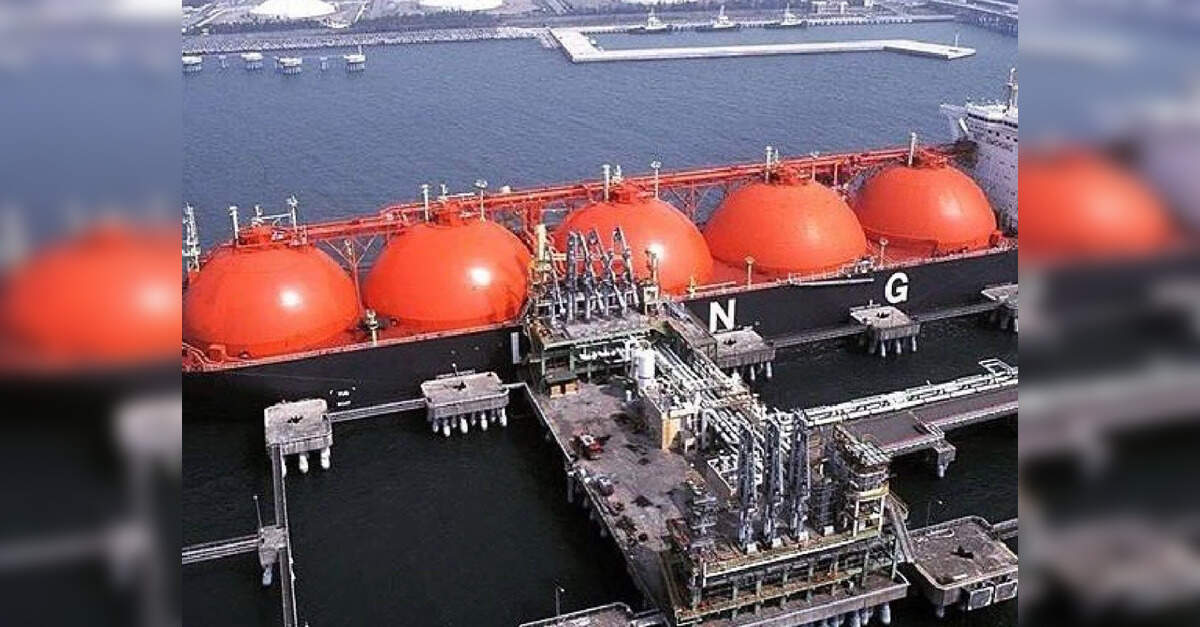
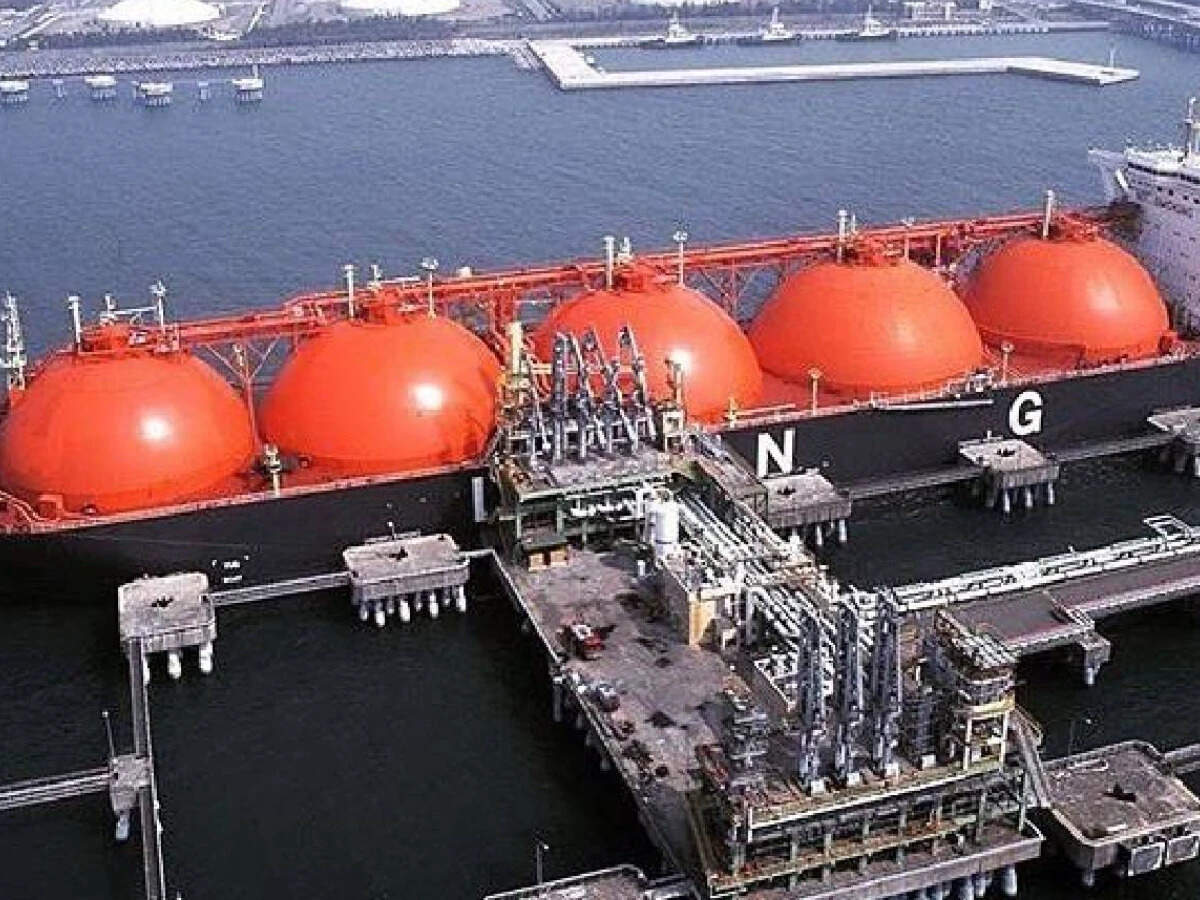
India weathered one of the most severe LNG supply shocks in global gas trade relatively better than its South Asian neighbours, maintaining uninterrupted city gas distribution while restricting supplies to fertiliser, refinery and industrial sectors in March and April.
Despite the disruptions, daily urea production increased by 12,000–15,000 tonnes, with monthly output reaching record highs of 25.19 lakh tonnes in May and 25.37 lakh tonnes in June, supported by government subsidies, according to Wood Mackenzie’s latest analysis.
The war in West Asia and the closure of the Strait of Hormuz disrupted LNG supplies from Qatar and the UAE to South Asia, a region heavily dependent on imports from both countries.
South Asia’s demand dip
According to Wood Mackenzie’s latest analysis, LNG demand across South Asia, previously projected to grow by 2.7 million tonnes (Mt), or 7 per cent, in 2026, is now expected to decline by around 6 Mt. The consultancy has also significantly downgraded its demand outlook beyond 2026.
In 2025, nearly 90 per cent of LNG shipments from Qatar and the UAE passing through the Strait of Hormuz were destined for Asia, leaving the region particularly vulnerable to supply disruptions, said the report.
The resulting surge in spot LNG prices relative to contracted prices put pressure on government finances and reduced gas demand by more than 3 million tonnes (Mt) in Bangladesh and approximately 1.5 Mt each in India and Pakistan.
“The Middle East conflict has exposed the structural vulnerabilities of South Asian LNG markets in stark terms,” said Johnson Quadros, Head of Gas and LNG Research at Wood Mackenzie.
Highlighting the importance of supply diversification, Quadros added, “Countries that had diversified their supply sources and established multiple pricing mechanisms came through this crisis in far better shape than those that had not.”
The report warns that the conflict’s duration remains the key uncertainty and hostilities continue, current policy tools will prove inadequate, forcing governments to choose between energy security and fiscal stability.
“Affordable LNG is critical to the 60 per cent demand growth expected by 2040. Buyers must diversify supplies, adopt flexible pricing and strengthen infrastructure to avoid future disruptions,” said Quadros.
Join the community of 2M+ industry professionals.
Subscribe to Newsletter to get latest insights & analysis in your inbox.
All about ETEnergyworld industry right on your smartphone!
- Download the ETEnergyworld App and get the Realtime updates and Save your favourite articles.
