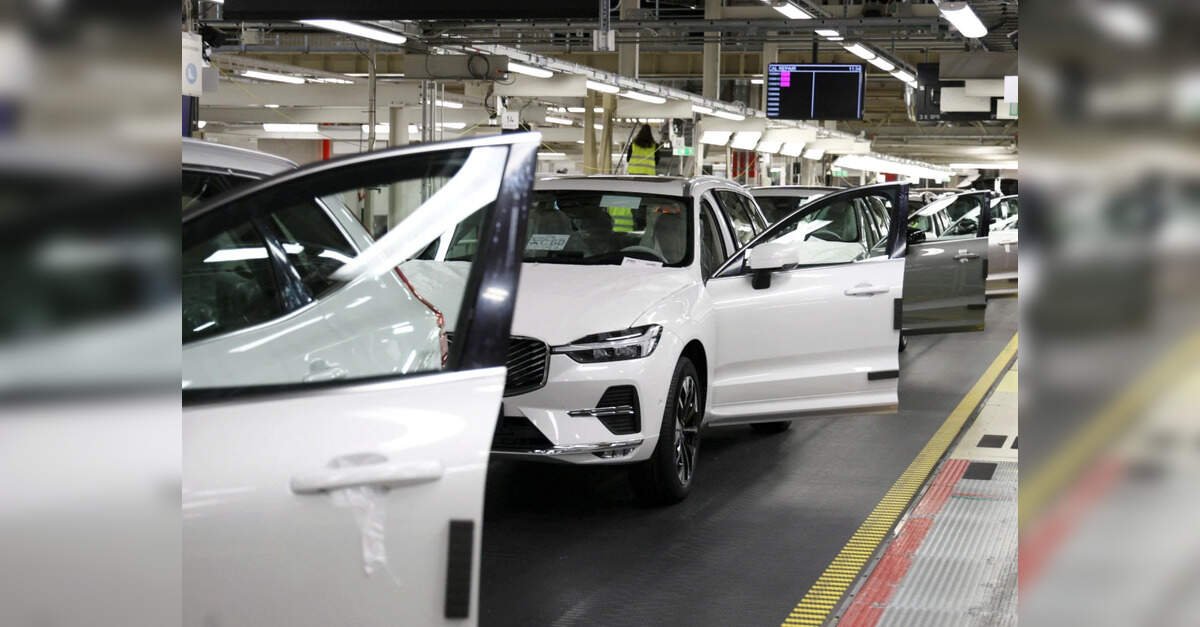
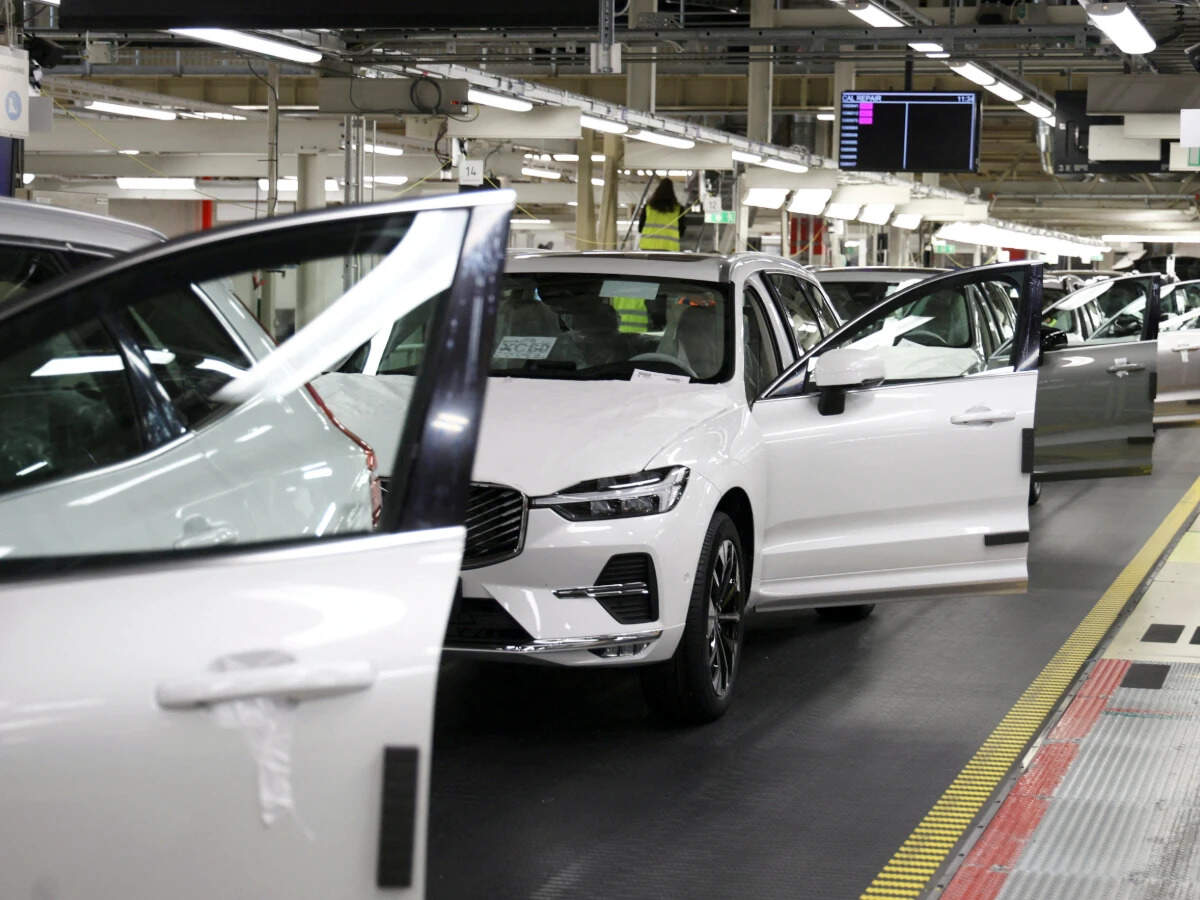
India has outpaced the United States (US) in the share of fully electric new car sales for six consecutive months starting in April, according to a new report by independent global energy think-tank Ember.
The milestone makes India one of 15 countries to surpass the US in battery electric vehicle (BEV) sales share in 2026, joining other markets such as Brazil, Italy, Malaysia, and New Zealand.
Out of the 56 nations monitored by the think tank, 49 now record a higher share of electric car sales than the US, where the BEV market share dropped to 6 per cent during the first eight months of 2026 after federal electric vehicle incentives were rolled back.
Homegrown automakers Tata and Mahindra together captured more than 60 per cent of the country’s electric vehicle sales in the first half of 2026, supported by an ongoing ramp-up in local production capacity.
Beyond India, other emerging players are also scaling up their manufacturing capabilities. Brazil is strengthening its position as a regional auto production hub, while Vietnamese automaker VinFast is expanding its manufacturing footprint in international markets.
According to Ember, the rapid uptake of electric vehicles is increasingly tied to energy security and protection against crude oil volatility. Oil supply disruptions have accelerated electric car adoption across several markets, including India, Australia, New Zealand, and Chile.
Between March and August 2026, electric vehicle fleets across oil-importing nations displaced roughly 200 million barrels of crude oil, translating into savings of $20 billion. China accounted for the largest portion of this reduction by displacing $14 billion worth of crude imports, while European Union member states saved $3.1 billion, led primarily by Germany and France.
“India moving ahead of the US on electric car sales is a sign of how quickly the centre of the EV market is changing,” said Euan Graham, Senior Energy Analyst at Ember.
“For India, this transition is also about reducing exposure to a global oil market that can be disrupted far beyond its borders. Every electric car on the road reduces exposure to volatile oil markets, and as fleets grow, so does the protection against future supply shocks,” Graham added.
On a global scale, demand for fully electric cars continues to climb despite policy shifts in major markets like China and the US. In the first eight months of 2026, worldwide BEV sales rose 11 per cent year-on-year, lifting the global share of fully electric vehicles to 18 per cent of all new car sales, up from 16 per cent in the same period a year earlier.
Targeted government policies continue to drive strong gains across key international markets, Ember noted. In South Korea, fresh backing for domestic adoption helped BEV sales double year-on-year in 2026 to represent nearly a quarter of all new car sales.
Meanwhile, France saw its BEV sales share cross the 30 per cent mark for the first time on the back of its social leasing programme, and Germany posted stronger demand following the rollout of new consumer subsidies at the beginning of 2026.
Join the community of 2M+ industry professionals.
Subscribe to Newsletter to get latest insights & analysis in your inbox.
All about ETEnergyworld industry right on your smartphone!
- Download the ETEnergyworld App and get the Realtime updates and Save your favourite articles.