Trustees initiate process to set up five-member Selection Committee under Tata Sons’ Article 118 after Chandrasekaran declines reappointment.
Author: admin
-
First Look: Peugeot RCZ Vision hints at the comeback of a familiar name
At the 2026 Paris Motor Show, we attended the public premiere of the Peugeot RCZ Vision, and here are our observations following our time with the vehicle.
Design
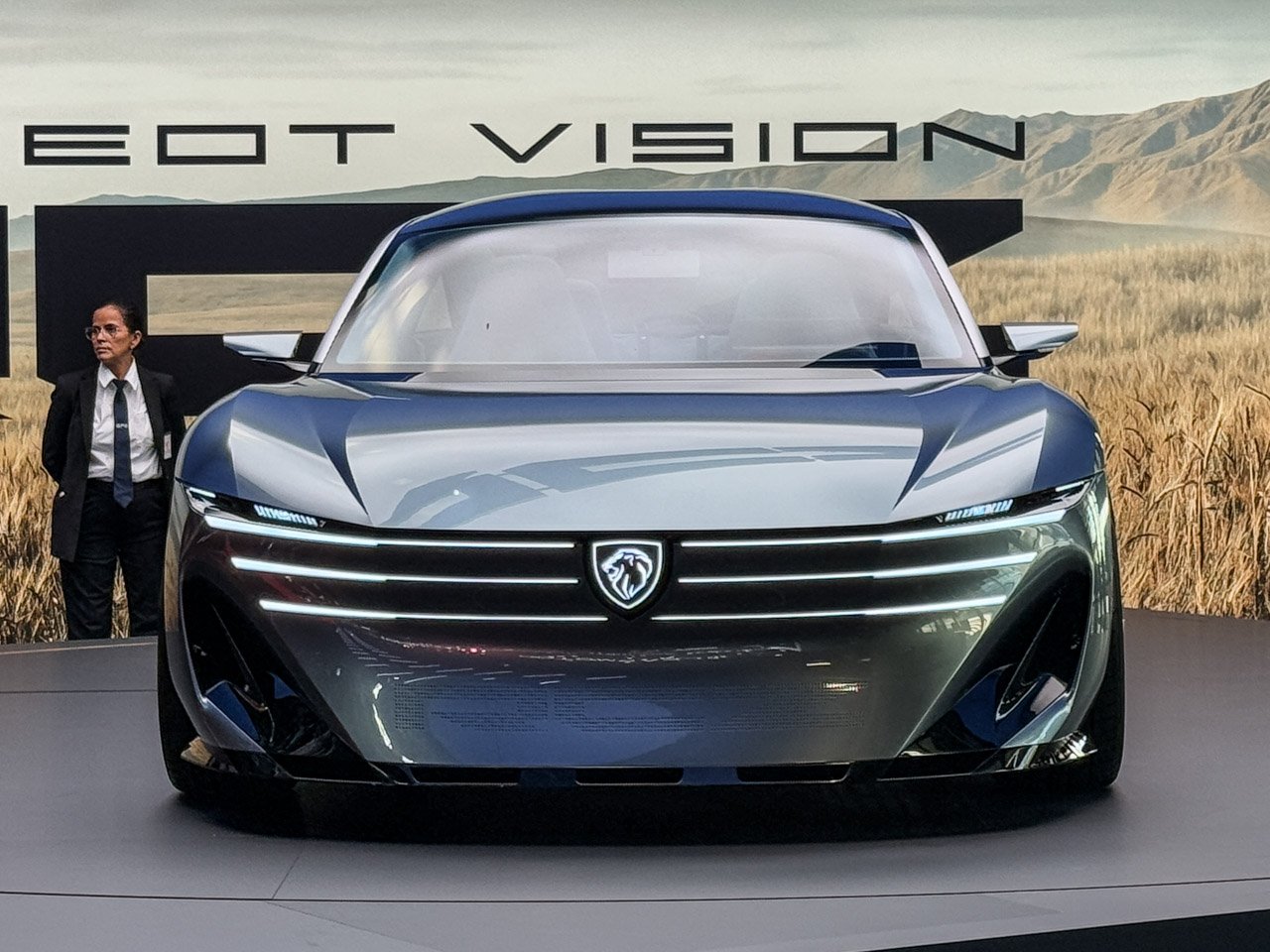
The Peugeot RCZ Vision previews a successor to the iconic RCZ coupé (2009–2015). It features sculpted sides, pronounced shoulders and a low roofline. Horizontal three-claw lighting sits beneath compact LED headlights, while the front bumper incorporates RCZ graphics.

To my eye, the exterior feels relatively close to something Peugeot could put into production, with sharp detailing that does not overwhelm the overall shape. The double-bubble roof and slim cabin arches recall the original RCZ. Forged-aluminium wheels measure 21 inches at the front and 22 inches at the rear. An active rear spoiler remains concealed when stationary.
Seeing the Peugeot Vision RCZ in person, I was struck by how compact it looks despite its bold, muscular styling, with proportions that seem well suited to Europe’s narrower streets.
Front
What stood out most to me was the elegant reinterpretation of Peugeot’s three-claw signature, with three slim horizontal light strips on either side of the illuminated lion badge. Together, they give the broad, subtly V-shaped nose a clean, harmonious look.
Meanwhile, the narrow headlights above contain an intricate zigzag pattern. Perforated RCZ lettering sits low on the bumper, above a row of angular openings, with tall, slanted recesses at the corners adding a sportier edge.
Side
The Peugeot Vision RCZ combines muscular rear haunches with open, geometric wheel designs that keep its electric identity visually understated.
I also noticed that the roof remains relatively level over the front seats before descending more sharply towards the rear, suggesting less of a compromise in front headroom than its low stance might imply.

The proportions of Peugeot Vision RCZ give me the impression of an everyday 2+2 coupe in the mould of the Audi TT, combining a sporty character with occasional rear-seat use The sculpting beneath the doors caught my attention, with a deeply recessed section flowing into a pronounced lower blade. I also like the angular side glazing and sizeable rear quarter windows, which could help the rear seats feel less enclosed if Peugeot carries this design into production.
Rear
The roof and rear glass flow into a smooth, sloping tail, where three slim light strips on each side sit almost flush with the bodywork around illuminated Peugeot lettering. The treatment looks particularly sleek to me.

The angle of the tail and neatly integrated lighting bring the 992-generation Porsche 911 to mind. A concave bumper, dark corner recesses and perforated RCZ lettering give the Peugeot Vision RCZ a sporty finish without making the rear look overly busy.
Interior
The RCZ Vision previews a new Peugeot i-Cockpit, with the Hypersquare steering control central to its onboard experience.


Positioned right above Hypersquare, the Peugeot i-Cockpit transparent display presents all the information the driver needs directly within their line of sight. Compared with the exterior, the Peugeot Vision RCZ’s cabin feels much more experimental, and I would expect it to need greater changes for production.
A slim dashboard stretches across the cabin, while the rectangular steering control features four circular openings around an illuminated Peugeot badge. Circular motifs also appear in the seats, pedals and floor detailing, giving the interior a consistent and unusual design theme.


The four-seat cabin features light-blue Alcantara and recycled leather. Rear seatbacks fold to expand luggage space, while unused air vents retract into the dashboard. The instrument display particularly interests me, pairing a slim transparent panel with graphics that recall traditional analogue dials.
A portrait-oriented central touchscreen adds a more contemporary touch, while a floating, wave-shaped centre console brings some softness to the cabin’s technical design. The central screen can switch off and virtually disappear, while physical aluminium controls sit on a frosted-glass console.
Specifications
The RCZ Vision uses an architecture based on the STLA One platform. Steer-by-wire replaces the mechanical connection between the steering control and wheels.
Steer-by-wire and Hypersquare steering wheel should lead to quick and easy manoeuvres, without requiring the driver to move their hands or make multiple turns of the steering control
I find the overall treatment inspiring, with enough distinctive ideas to give a production RCZ an interior of its own. Peugeot quotes 500 hp and up to 600 km of range. Its 110 mm-thick solid-state battery uses a 1,000 V architecture, enabling a claimed 10-80% charge in 10 minutes.
Target WLTP combined consumption stands at 11.5 kWh/100 km, subject to confirmation.
Price

The concept revives a name associated with the original RCZ coupé, which was on sale from 2009–2015. Peugeot has not announced a price or production launch date for the RCZ Vision yet. More than a decade after its discontinuation, the RCZ returns as a showcase for the brand’s future, although a showroom comeback remains unconfirmed at the time of filing.

Since 2014, I’ve worked as an international automotive editor, attending global motor shows, industry events, media drives, and tracking the latest developments across the sector, with a particular focus on electrified vehicles.
-

Technip Energies bags EPC contract from HPCL for Mumbai refinery modernisation
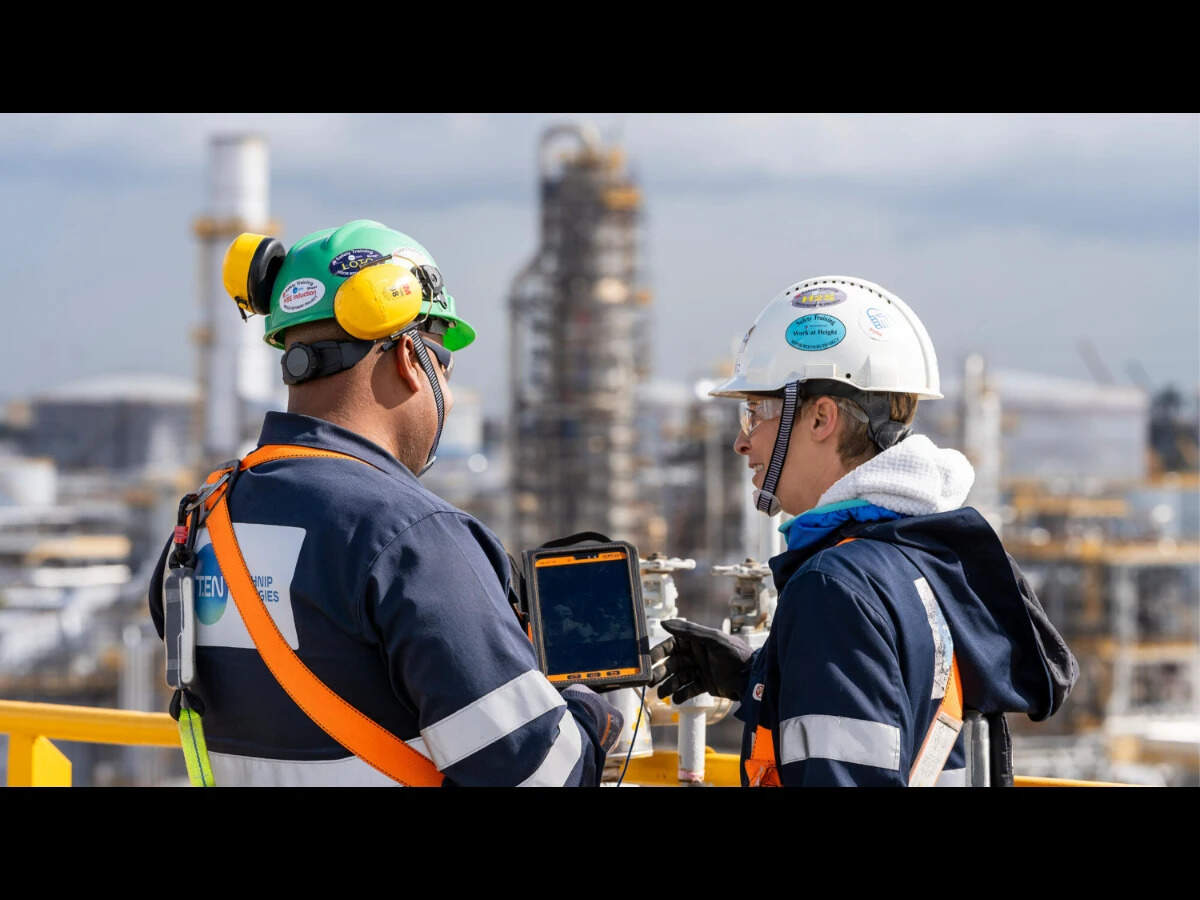
The project will modernise HPCL’s production of lube oil base stocks, key components used in the manufacture of automotive engine oils and industrial lubricants. Technip Energies on Monday said it has secured a major engineering, procurement and construction (EPC) contract from Hindustan Petroleum Corporation (HPCL) for its Lube Modernisation and Bottom Upgradation (LMBU) project at the Mumbai refinery in Maharashtra.
According to the official press release, the contract involves the development of a 550 KTA integrated hydrocracker and catalytic dewaxing unit and an 850 KTA solvent deasphalting unit, which will be integrated into HPCL’s existing refinery operations.
The project will modernise HPCL’s production of lube oil base stocks, key components used in the manufacture of automotive engine oils and industrial lubricants.
“This award by HPCL reflects the confidence placed in our EPC delivery capabilities and builds on a relationship between our two companies spanning more than two decades,” said Loïc Chapuis, President Project Delivery and Services at Technip Energies.
The project will also upgrade heavier refinery streams into higher-value products, improving resource utilisation and supporting the refinery’s long-term competitiveness.
As India continues to invest in the modernisation of its refining infrastructure to meet growing domestic demand for fuels and specialty petroleum products, the company claims that this project will contribute to strengthening the country’s production capabilities while improving the value generated from existing refining assets.
Join the community of 2M+ industry professionals.
Subscribe to Newsletter to get latest insights & analysis in your inbox.
All about ETEnergyworld industry right on your smartphone!
- Download the ETEnergyworld App and get the Realtime updates and Save your favourite articles.

-
India shields city gas users as Hormuz crisis threatens South Asia's LNG demand
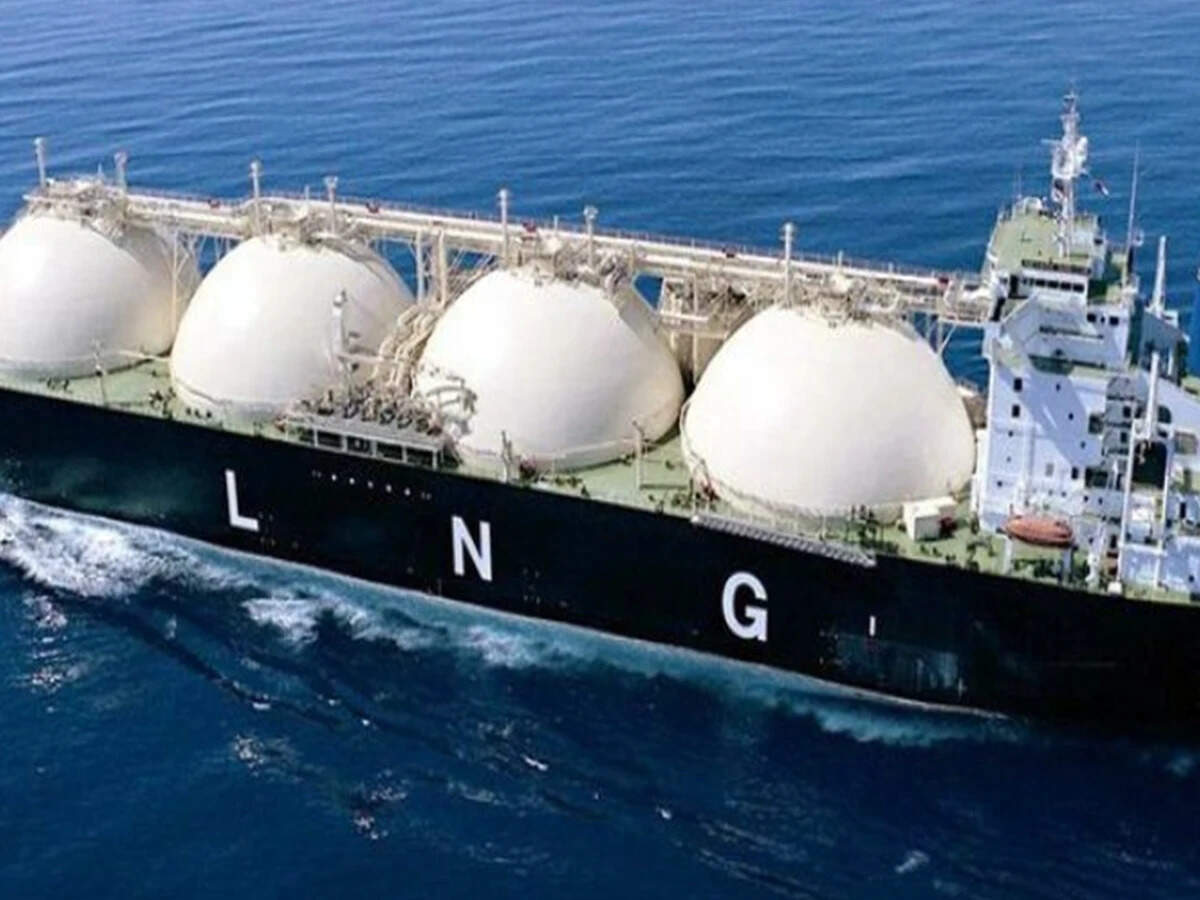
Representative image. New Delhi: India has protected city gas supplies by curbing deliveries to fertiliser plants, refineries and industrial users as the Middle East conflict disrupts liquefied natural gas (LNG) shipments, while South Asia’s overall LNG demand is now expected to fall by about 6 million tonnes in 2026, consultancy Wood Mackenzie said.
The region’s LNG demand had earlier been projected to grow by 2.7 million tonnes, or 7 per cent, this year. The closure of the Strait of Hormuz and disruption to Qatari and United Arab Emirates supplies have reversed that outlook, forcing governments to ration gas, seek expensive replacement cargoes and absorb mounting fiscal costs, Wood Mackenzie said.
“India fared relatively better by deploying a tiered demand-management strategy that kept city gas distribution unaffected while cutting supply to the fertiliser, refinery, and industrial sectors in March and April,” it said in a report.
Government subsidies helped sustain fertiliser production, with daily urea output rising by 12,000-15,000 tonnes. Monthly production reached record highs of 25.19 lakh tonnes in May and 25.37 lakh tonnes in June, according to the consultancy.
However, India has not escaped the price shock. LNG tender award prices ranged from USD 16.8 to USD 18.8 per million British thermal units (mmBtu) between March and June, before rising to USD 26.4 per mmBtu in September. Demand for LNG tenders remained robust throughout the period, Wood Mackenzie said.
The disruption has hit Pakistan and Bangladesh harder because of their dependence on Gulf supplies. In 2025, Qatar accounted for 99 per cent of Pakistan’s LNG imports and more than 70 per cent of Bangladesh’s, leaving both countries highly exposed to interruptions through the Strait of Hormuz.
Nearly 90 per cent of Qatari and UAE LNG shipments transiting the strait in 2025 were destined for Asia, making the region particularly vulnerable to the supply shock, Wood Mackenzie said.
The resulting surge in spot prices relative to contracted LNG prices contributed to a reduction in gas demand of more than 3 million tonnes in Bangladesh and about 1.5 million tonnes each in India and Pakistan, according to the consultancy.
“The Middle East conflict has exposed the structural vulnerabilities of South Asian LNG markets in stark terms,” said Johnson Quadros, head of gas and LNG research at Wood Mackenzie. “Countries that had diversified their supply sources and established multiple pricing mechanisms came through this crisis in far better shape than those that had not.”
Pakistan has been among the hardest-hit markets, with the Hormuz disruption reducing LNG supplies bound for the country by as much as 0.4 million tonnes per month between March and November 2026. It responded by curtailing demand, switching fuels and releasing previously withheld domestic gas, resulting in more than 2.5 million tonnes of gas demand destruction, Wood Mackenzie said.
Pakistan returned to the spot LNG market in April after a two-year absence, but high prices limited its ability to secure replacement cargoes. It also remains liable for daily floating storage and regasification unit (FSRU) take-or-pay charges regardless of whether LNG cargoes arrive, adding to the financial burden.
Wood Mackenzie has cut its forecast for Pakistan’s LNG demand to 3.7 million tonnes in 2027, from 6.6 million tonnes in 2025. Committed LNG volumes are expected to exceed demand through 2030, while uncontracted volumes are projected to account for more than 90 per cent by the early 2030s.
Bangladesh, meanwhile, has struggled to replace disrupted supplies because of limited scope to increase domestic gas production and a lack of diversified import options. Gas shortages triggered prolonged power outages and greater reliance on coal.
State-owned Petrobangla bought spot LNG cargoes from Gunvor and Vitol for March delivery at USD 23-28 per mmBtu. Between March and June, Bangladesh consistently paid an average of more than USD 18 per mmBtu for spot LNG, putting additional pressure on government subsidies, Wood Mackenzie said.
Governments across South Asia have responded with gas rationing, power cuts, tariff increases and additional budget allocations. But the consultancy warned that such measures defer costs rather than resolve the underlying vulnerabilities, as rising energy bills and disrupted industrial supplies put further pressure on consumers, businesses and public finances.
The duration of the conflict remains a key uncertainty. If disruptions persist, governments could face increasingly difficult choices between energy security, consumer protection and fiscal stability, Wood Mackenzie said.
The crisis also threatens the region’s longer-term gas demand outlook. Wood Mackenzie expects affordable LNG to be essential to support global demand growth of 60 per cent through 2040, with South and Southeast Asia central to that expansion.
“Affordable LNG is essential to drive the 60 per cent demand growth we expect through 2040, and South and Southeast Asian economies are central to that trajectory,” Quadros said.
“The disconnect between today’s supply crisis and tomorrow’s risk of oversupply creates real uncertainty for both buyers and sellers. Buyers who do not act on the lessons of 2026 on diversification, on flexible pricing, on infrastructure resilience and on building trading capabilities risk facing the same vulnerabilities again, in a market that will be even larger and more interconnected.”
- Published On Oct 12, 2026 at 04:23 PM IST
Join the community of 2M+ industry professionals.
Subscribe to Newsletter to get latest insights & analysis in your inbox.
All about ETEnergyworld industry right on your smartphone!
- Download the ETEnergyworld App and get the Realtime updates and Save your favourite articles.
-
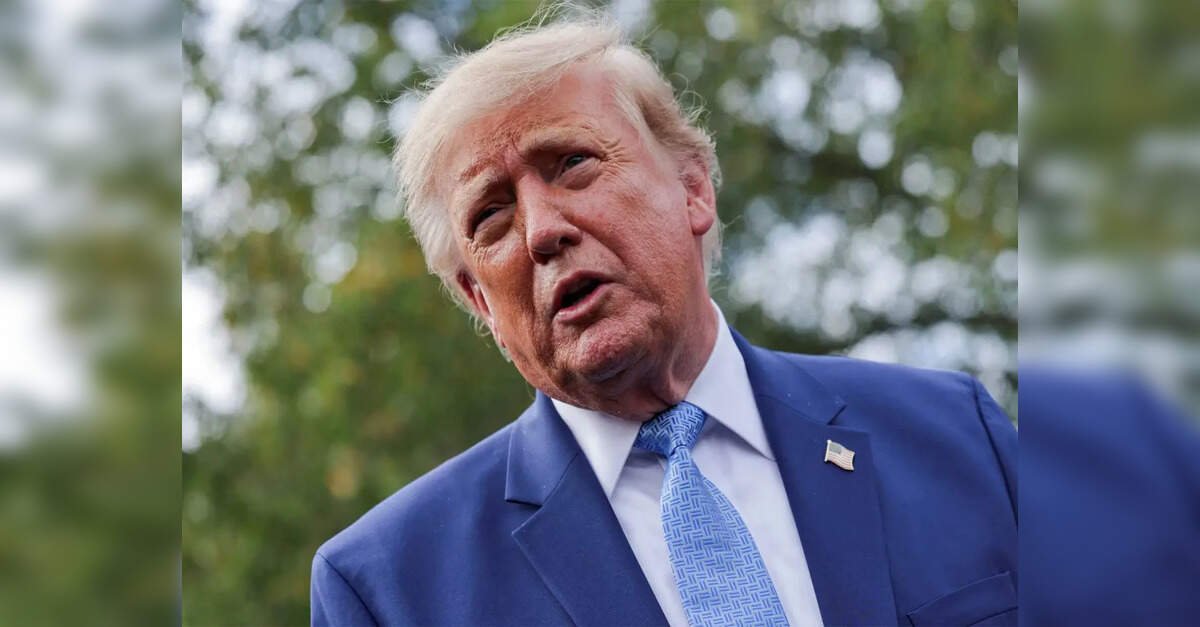
Trump has learnt his India lesson the hard way but will he own up?
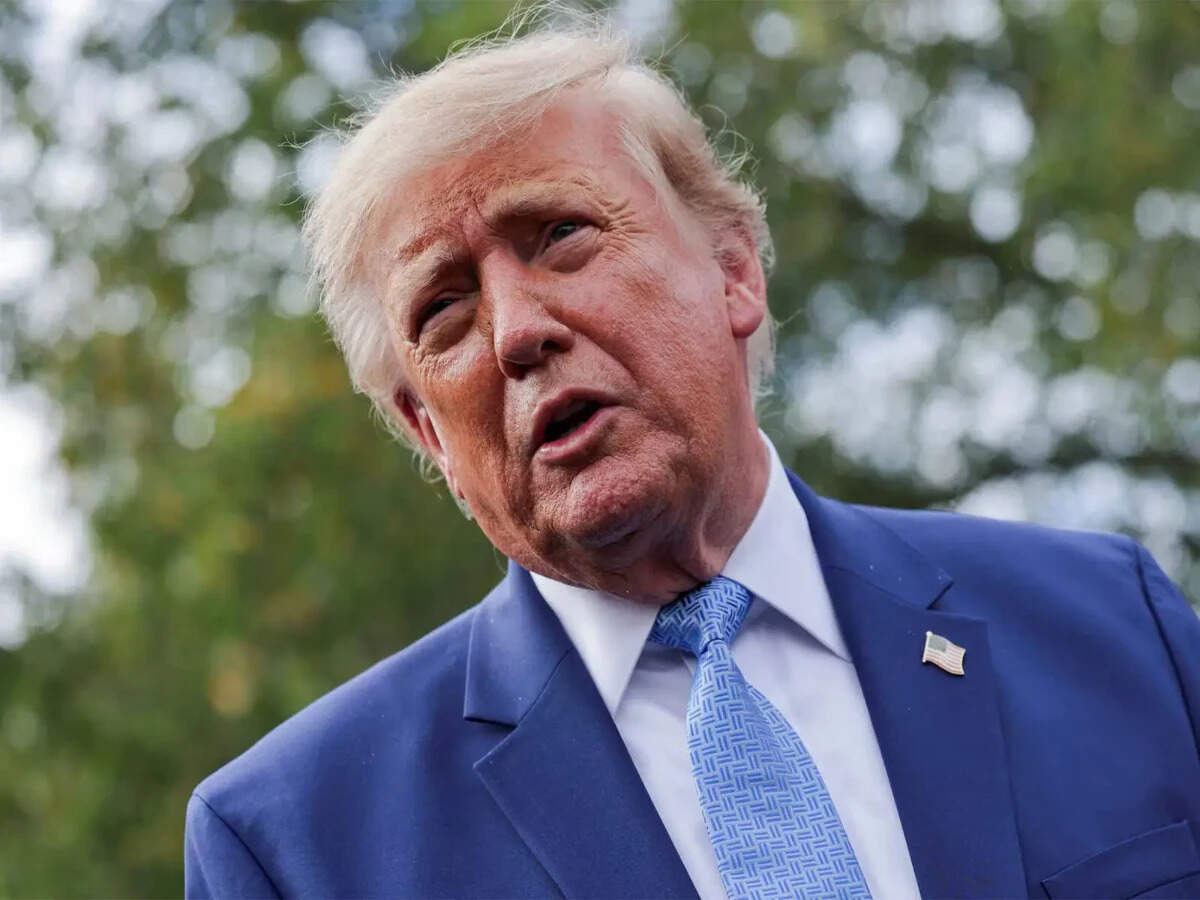
New Delhi’s argument has never been that Russia’s invasion of Ukraine is acceptable. It is that energy security, inflation and the purchasing power of hundreds of millions of people must count in decisions about where a country buys its fuel. Donald Trump has been pressuring India for close to a year to stop buying Russian oil, arguing that energy revenues were helping Vladimir Putin finance his war against Ukraine. He even imposed an additional 25 per cent tariff on Indian imports last year to punish New Delhi for continuing those purchases.
Now, with American diesel prices soaring and the November 3 midterm elections hanging over his head like a sword, Trump has struck a deal to bring Russian diesel into global markets.
The reversal exposes an uncomfortable truth that when energy costs threaten voters, geopolitical principles become negotiable. The question is whether Trump will now acknowledge India’s argument that affordable energy and the interests of ordinary people cannot simply be sacrificed to foreign policy objectives.
The American consumer comes first
Trump announced the agreement with Putin on October 9 after what he described as a successful conversation with the Russian president. Russia would immediately supply more than 300,000 tonnes of diesel, followed by another 500,000 tonnes in November and 1 million tonnes thereafter. A further 3 million tonnes could follow, depending on refinery conditions.
Diesel powers American agriculture, trucking and parts of the heating sector. Its rising cost feeds into freight charges, food prices and inflation, making it a politically sensitive issue before voters decide whether Republicans retain control of Congress. Trump has described lower fuel prices for farmers, ranchers and truckers as a priority.
The irony here is difficult to miss. The administration that argued Russian oil purchases helped finance Moscow’s war is now prepared to relax restrictions to secure Russian fuel for Americans. The economic logic is familiar to India, which imports most of its crude oil and cannot insulate its consumers from international price shocks.
New Delhi’s argument has never been that Russia’s invasion of Ukraine is acceptable. It is that energy security, inflation and the purchasing power of hundreds of millions of people must count in decisions about where a country buys its fuel. Trump has learnt his India lesson the hard way when opinion polls suggest his popularity is dipping and high diesel prices just before midterm elections loom as a threat.
A concession that may not deliver
There is, however, a significant difference between announcing a deal and changing prices at the pump. Analysts doubted Russia could deliver the promised volumes easily, given damage to its refining infrastructure and restrictions on diesel exports. Russian export capacity has been disrupted by Ukrainian strikes, while Moscow has also imposed export restrictions to protect domestic supplies.
The proposed shipments were unlikely to make a substantial difference to American diesel prices. Transporting fuel takes time, and the promised volumes remain small relative to global demand. The arrangement may offer some additional supply, but it cannot quickly reverse the damage caused by disruptions to energy production and shipping.
That weakens the administration’s economic case for taking a politically costly decision that appears to benefit Putin. If the relief for American consumers proves modest, the diplomatic and legislative backlash could outlast any immediate price benefit.
The legal battle could complicate India’s case
Having learnt that people take precedence over geopolitics, will Trump now acknowledge India’s long-held concerns over oil? The biggest obstacle to any American concession to India may now be Trump’s own Congress.
On October 11, seven senators, including Republicans Susan Collins, Lisa Murkowski, Thom Tillis and John Curtis, urged the administration to reverse the decision. Democrats Jeanne Shaheen, Richard Blumenthal and Ron Wyden also signed the statement, arguing that the 2022 ban on Russian energy imports was intended to prevent American money from financing Putin’s war. They accused the administration of failing to consult Congress or provide the explanation required by law.
Tillis went further, saying there was a legitimate case that Trump was not following the law. Representative Brian Fitzpatrick has separately vowed to force a House vote to block Russian oil purchases. The opposition is particularly awkward for Trump because the sanctions legislation signed in September, named after the late Senator Lindsey Graham, allows tariffs of up to 100% on major buyers of Russian energy.
However, Treasury Secretary Scott Bessent insists the administration has sufficient legal authority to proceed. The Treasury has temporarily suspended sanctions on Russian diesel exports until April 7, 2027, for fuel already loaded onto tankers by the specified deadline. But whether that exemption can withstand congressional scrutiny is a separate question from whether the administration believes it is justified.
If Washington needs a special legal interpretation or a narrow exemption to buy Russian diesel, it will be harder to argue that India’s purchases must automatically attract punitive measures. Yet the reverse is also possible — congressional opposition could push Trump towards a tougher public stance on sanctions, even as his administration seeks flexibility for itself.
Will India get a carve-out?
India is watching how Washington structures the exemption. ET reported today that India was reviewing the implications of Trump’s announcement, with officials examining whether the US could create a specific concession for its own purchases without formally violating the Russia and Iran Sanctions Act. The administration has not reached a conclusive decision on a waiver for India, despite a September 30 conversation between Trump and Prime Minister Narendra Modi.
For India, the stakes go beyond the immediate tariff bill. Energy purchases from Russia have provided an additional source of supply and helped Indian refiners manage costs. Some Russian crude is processed in India and the resulting refined products, including diesel, are exported to international markets. That creates a further complication for Washington. Former US diplomat Stephen Mull told The Times of India that India has its own leverage because some of the Russian crude it buys is refined into diesel that subsequently reaches American markets.
Mull argued that India has options to respond if sanctions are imposed and that Trump would have to factor those possibilities into his calculations. Retaliation could deepen the damage to a bilateral relationship already strained by trade negotiations and disagreements over Washington’s approach to Pakistan.
Washington may distinguish between crude oil purchases and a temporary arrangement involving diesel already loaded onto ships. That argument could matter legally but won’t erase the sheer political inconsistency.
The hard lesson Trump may still refuse to acknowledge
Trump’s decision does not necessarily mean he would now accept India’s argument. He could insist that America’s arrangement is temporary, narrowly defined and designed to address an exceptional supply crisis. He could also return to a harder sanctions policy once the immediate pressure on fuel prices eases after midterms.
If fuel prices remain high, the administration will face pressure to find more supplies regardless of their origin. If prices fall, Trump may have greater room to restore restrictions and maintain pressure on countries buying Russian energy. Either way, the principle guiding policy appears less absolute than Washington previously suggested.
Trump need not endorse India’s entire position on Russia to acknowledge that energy security cannot be judged by one standard for Washington and another for New Delhi. But with Republicans and Democrats questioning his diesel deal, a waiver of any sort for India may become politically harder to deliver.
- Published On Oct 12, 2026 at 03:16 PM IST
Join the community of 2M+ industry professionals.
Subscribe to Newsletter to get latest insights & analysis in your inbox.
All about ETEnergyworld industry right on your smartphone!
- Download the ETEnergyworld App and get the Realtime updates and Save your favourite articles.
-
Lumino Industries bags orders worth ₹496 crore since its September IPO
The company said the manufacturing orders cover conventional and high-performance conductors, as well as high-tension (HT), low-tension (LT), and railway signalling cables, clarifying that these cater to the power transmission and distribution sector and other industries. Lumino Industries, a Kolkata-based power infrastructure company, has secured new orders worth ₹496 crore since listing its shares on the stock exchanges on September 3, 2026, taking its order book to ₹3,215 crore, the company said in a regulatory filing on Monday.
The orders, excluding goods and services tax (GST), comprise manufacturing contracts worth ₹339 crore for conductors and cables and an engineering, procurement and construction (EPC) contract worth ₹157 crore to upgrade underground power distribution networks in India.
“Rising electricity demand, renewable energy integration and network upgrades are driving investment in India’s transmission and distribution infrastructure,” said Devendra Goel, managing director of Lumino Industries.
The company said the manufacturing orders cover conventional and high-performance conductors, as well as high-tension (HT), low-tension (LT), and railway signalling cables, clarifying that these cater to the power transmission and distribution sector and other industries.
The EPC contract involves upgrades to underground distribution networks.
The company also noted that it is focusing on high-performance products, including high-temperature low-sag (HTLS) conductors, used to increase power transfer capacity across transmission networks, railways, and other industries.
The company operates two manufacturing facilities in Howrah, West Bengal, with a combined annual aluminium consumption capacity of 40,000 tonnes. Its upcoming facility at Ranihati, Howrah, is expected to increase capacity to 75,000 tonnes in phases.
Join the community of 2M+ industry professionals.
Subscribe to Newsletter to get latest insights & analysis in your inbox.
All about ETEnergyworld industry right on your smartphone!
- Download the ETEnergyworld App and get the Realtime updates and Save your favourite articles.
-
Emerging Asia's power-driven LNG demand at risk as renewables gain ground
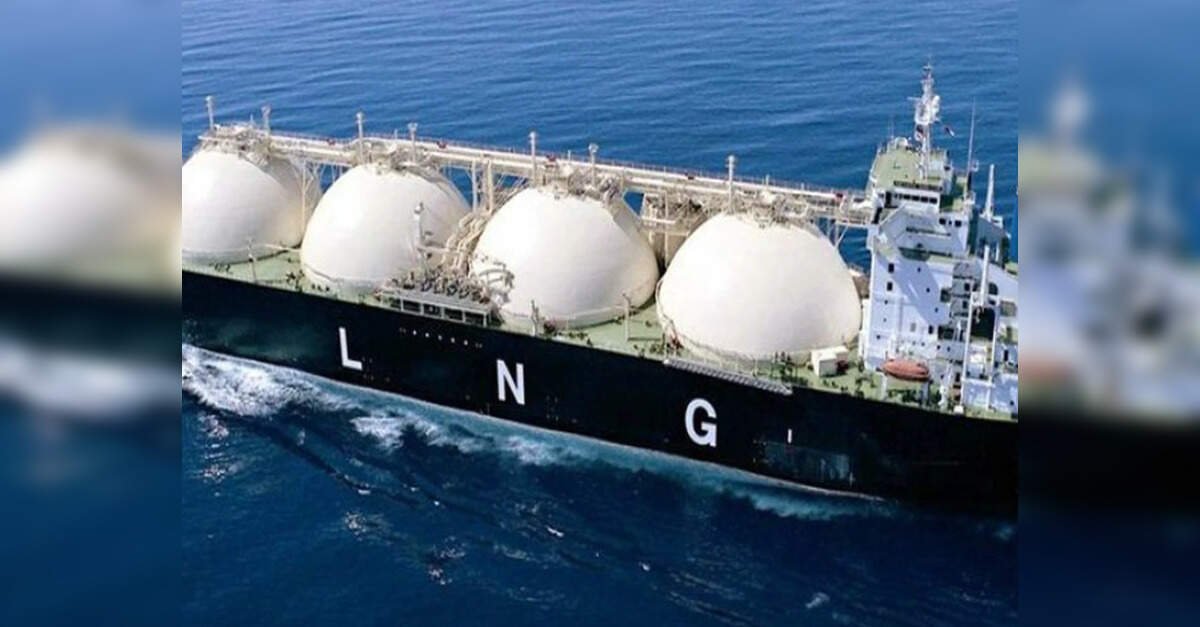
Falling renewable energy costs and volatile LNG prices are reshaping power investment plans across emerging Asia. Emerging Asia is losing its appetite for liquefied natural gas to generate power as geopolitical shocks, equipment shortages and cheaper renewables derail projects, disappointing industry hopes that the region would drive the next wave of demand.
Countries including Vietnam and the Philippines had planned new LNG import terminals and power plants to meet rising demand and transition from coal, but the market shocks of Russia’s 2022 Ukraine invasion and the ongoing US-Iran war sent prices soaring, exposing the risks of LNG reliance.
Since then, several projects in the region have stalled while buildout plans for others have fallen behind targets, with a global gas turbine shortage contributing to the slowdown.
With renewable generation costs falling, governments are accelerating their clean energy deployment to cut import fuel dependency. The International Energy Agency forecast in October that wind and solar energy will contribute 11 per cent of Southeast Asia’s energy mix by 2030, up from 5 per cent in 2025.
“As gas project delays mount and supply chains tighten, policymakers are being forced to rethink not only the role of gas in the near term, but also the long-term pathways to achieving their energy transition goals,” said Wei Han Tan, Southeast Asia power and renewables analyst at Wood Mackenzie.
“Countries will need to look elsewhere to meet rising demand”, he said, by adding to existing coal fleets and speeding up renewables deployment.
Wood Mackenzie estimates that only 14.9 gigawatts of Southeast Asia’s planned 53 GW of gas-fired power projects in the pipeline will come online by 2030, with Vietnam seeing the biggest shortfall in projects, with 25.7 GW unlikely to start by then.
Even before the Iran war, gas-fired power generation was losing ground across some emerging Asian economies, data from energy think tank Ember shows. Gas-fired power output has declined in Bangladesh, Pakistan and India in the last five years as coal and renewables expand, while gas has struggled to expand its share of China’s power mix.
In Southeast Asia, gas generation volumes have been stable in the last decade, but have steadily lost share to expanding renewable capacity.
Transition now
Since the US-Israeli war on Iran began on February 28, emerging Asian markets have accelerated plans for alternative power sources. Bangladesh and Thailand announced solar rollout plans, while Vietnam is considering increasing coal-fired generation.
Thailand, which imports a fifth of its LNG from Qatar, must secure alternative near-term supplies but speed its energy transition in the long run, its energy minister told Reuters last month.
In the Philippines, rooftop solar installations to offset high electricity prices are rising, while at least three LNG-related projects there have been halted in the last two years.
One project in the Philippines stalled after developer Energy World Corp sold the gas turbine for its power plant for nearly four times what it paid a decade ago, saying rapid renewable energy growth was reducing the need for gas-fired generation. The company intends to build the site as an import terminal, according to its website.
Irtiza Sayyed, the chief executive of JERA Global Energy Solutions, said power infrastructure development in emerging economies has slowed as they compete globally with data centres for gas turbines. JERA is Japan’s top power generator and is looking to sell LNG in South and Southeast Asia.
Reduce volatility
To be sure, overall LNG demand in emerging Asia is still likely to rise as economies grow and domestic gas production wanes, with Wood Mackenzie forecasting Southeast Asian consumption rising to 39 million metric tons by 2028, from 27 million in 2025.
LNG proponents also say gas is needed for grid reliability and flexible power generation, while planned data centre capacity could boost power-sector demand.
But governments planning for the next decade will likely turn to additional renewable energy amid gas price uncertainty, said Rystad Energy analyst Lu Ming Pang.
The firm has cut its long-term Asia LNG demand forecasts by 3 per cent for 2040, and 7 per cent by 2045, as countries including Vietnam and the Philippines have not secured sufficient LNG supply deals and infrastructure, while China accelerates its renewable energy buildout.
- Published On Oct 12, 2026 at 02:06 PM IST
Join the community of 2M+ industry professionals.
Subscribe to Newsletter to get latest insights & analysis in your inbox.
All about ETEnergyworld industry right on your smartphone!
- Download the ETEnergyworld App and get the Realtime updates and Save your favourite articles.
-

Exponent Energy completes 200 ICE-to-EV autorickshaw retrofits in Bengaluru
The company says the retrofitted vehicles have covered over 1.5 million km and completed more than 25,000 charging sessions during the four-month pilot.
-

India’s cab game has a new green player: A Vietnamese behemoth aiming to win fast
Green SM enters India with a controlled electric vehicle fleet, challenging the aggregator model. This Vietnamese company aims for a premium segment, unlike Uber and Ola’s mass-market approach.
-
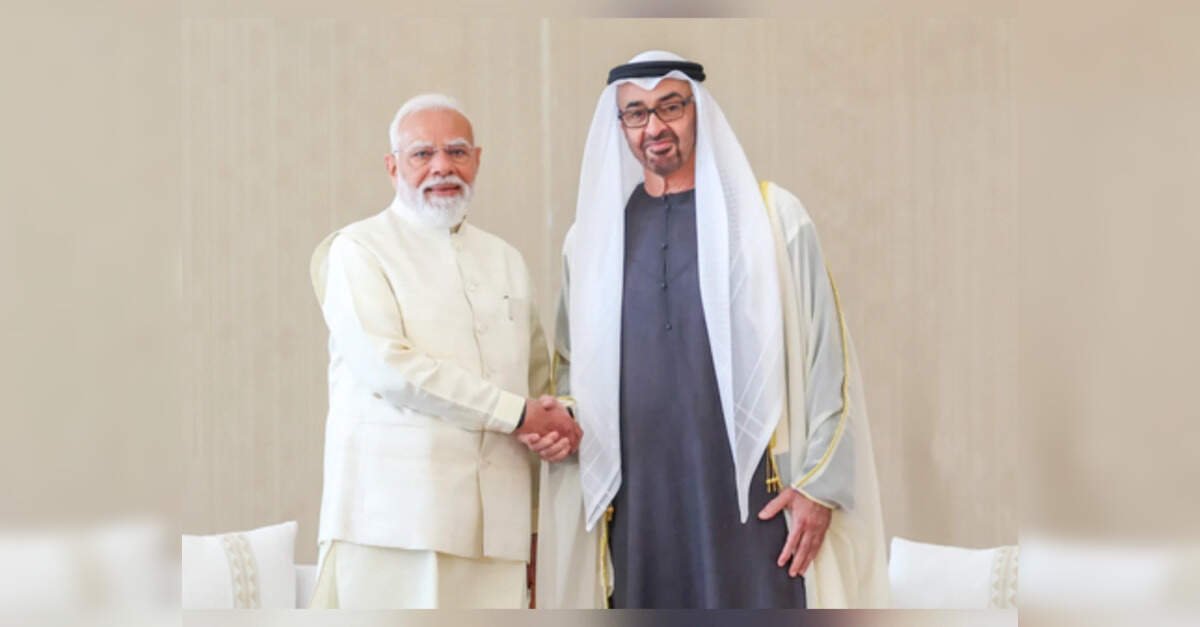
UAE President calls PM Modi, discusses West Asia situation and deepens strategic ties
Prime Minister Narendra Modi spoke with UAE President Sheikh Mohamed bin Zayed Al Nahyan. They exchanged views on recent developments occurring in West Asia.