India and Bhutan welcomed the signing of an agreement on a concessional Line of Credit of INR 4,000 crore for energy projects in Bhutan during External Affairs Minister S Jaishankar’s official visit to the country.
Author: admin
-

Fed unlikely to signal aggressive tightening cycle; energy prices remain key risk: Axis Bank
The US Federal Reserve is unlikely to embark on an aggressive tightening cycle, with only one additional rate hike projected, even as energy prices remain the key risk to the inflation outlook and potential new tariffs could renew price pressures, according to an Axis Bank report.
-
GR Infraprojects shares drop 2% after terminating contract with NTPC. Here’s why
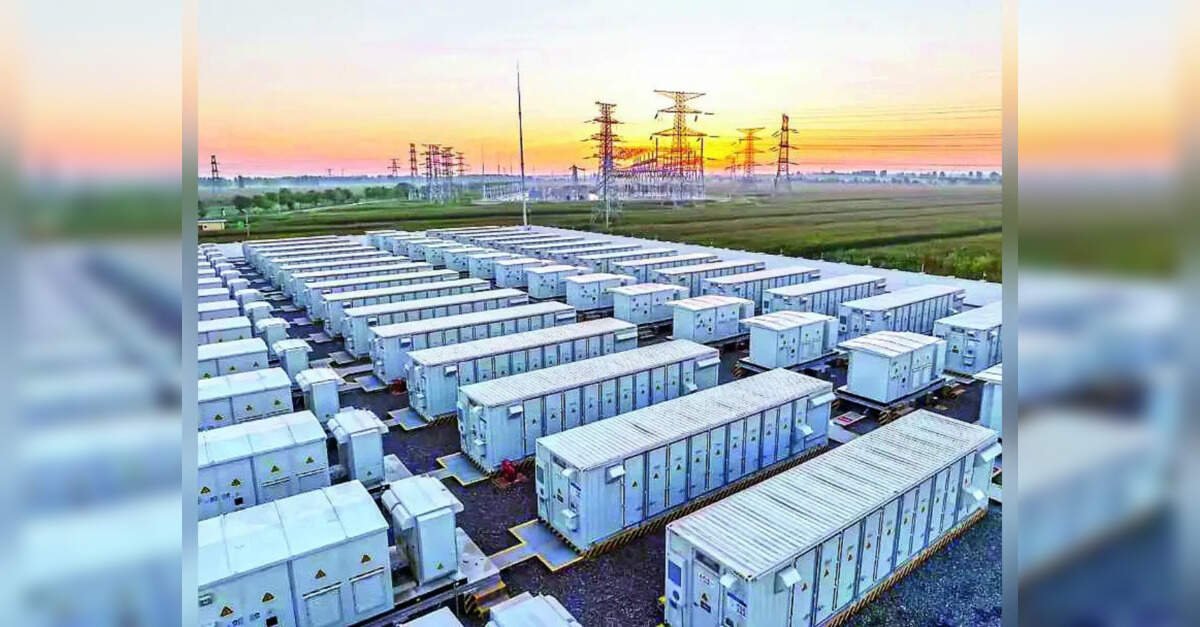
Shares of GR Infraprojects fell 2% after the company issued a notice to terminate its contracts with NTPC for a Battery Energy Storage System project at Mouda Super Thermal Power Station.
-
India’s EV charging network expands 10X in 4 years, but user experience remains a concern: Report
India’s public EV charging network has expanded more than tenfold since 2022, but poor charger reliability, high public charging costs and home-charging challenges continue to limit wider EV adoption, according to IEEFA.
-
Exide India, Germany’s ExCom partner to expand industrial battery business across EEA
Exide Industries has entered into a long-term strategic cooperation with Germany-based ExCom Energy Solutions to market industrial battery and energy storage solutions across the European Economic Area, initially focusing on traction and stationary battery applications.
-
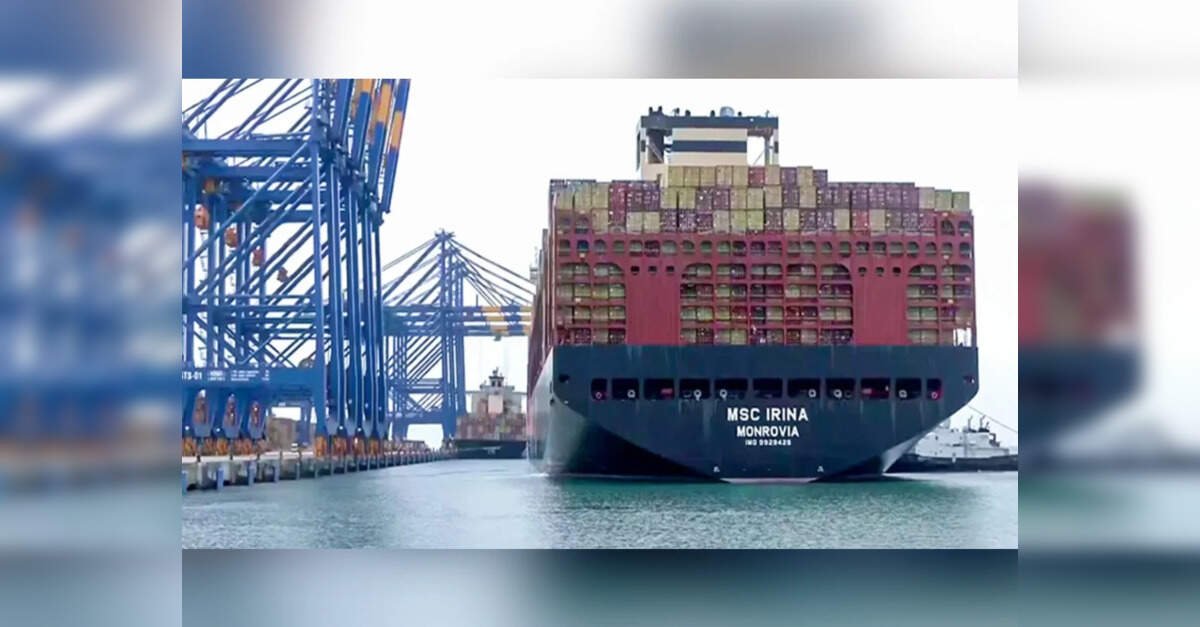
India's trade deficit narrows to $26.86 bn in August as gold imports plunge
India’s merchandise trade deficit narrowed marginally to $26.86 billion in August from $27.2 billion a year earlier, as exports rose 26.1% to $43.81 billion while imports grew 14.1% to $70.76 billion.
-
SBI sees 25 bps rate hike in October MPC, another in December as inflation risks mount
The projected back-to-back moves would build a cumulative “50 bps as a moat” to insulate the domestic economy from intensifying external commodity shocks, persistent currency headwinds, and broadening domestic price pressures.
-
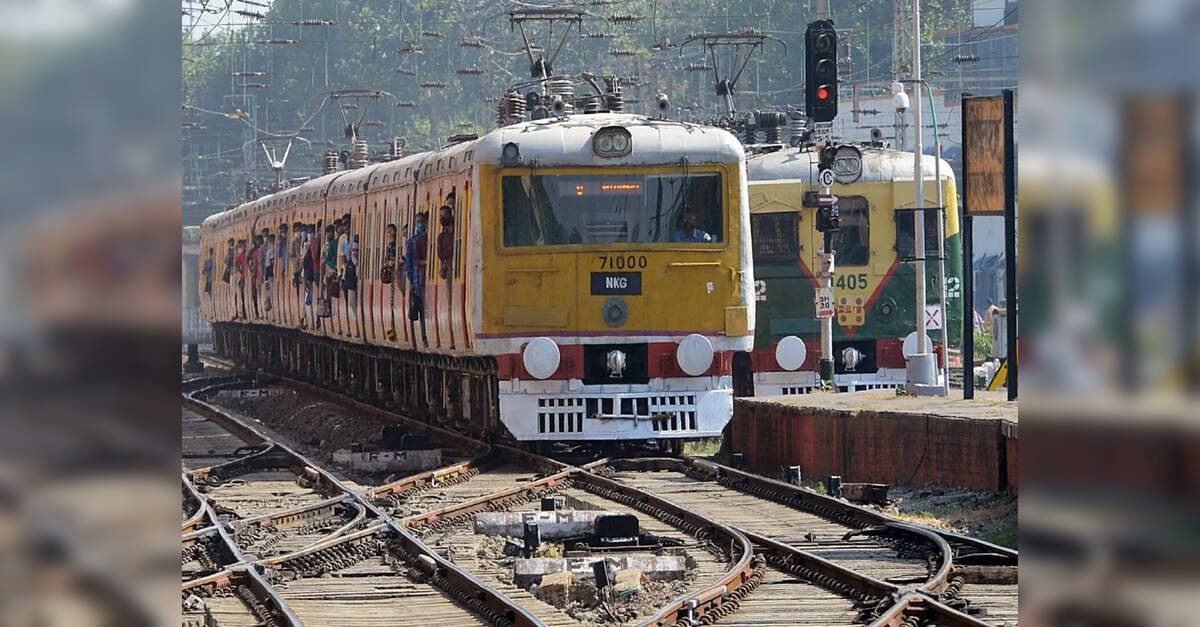
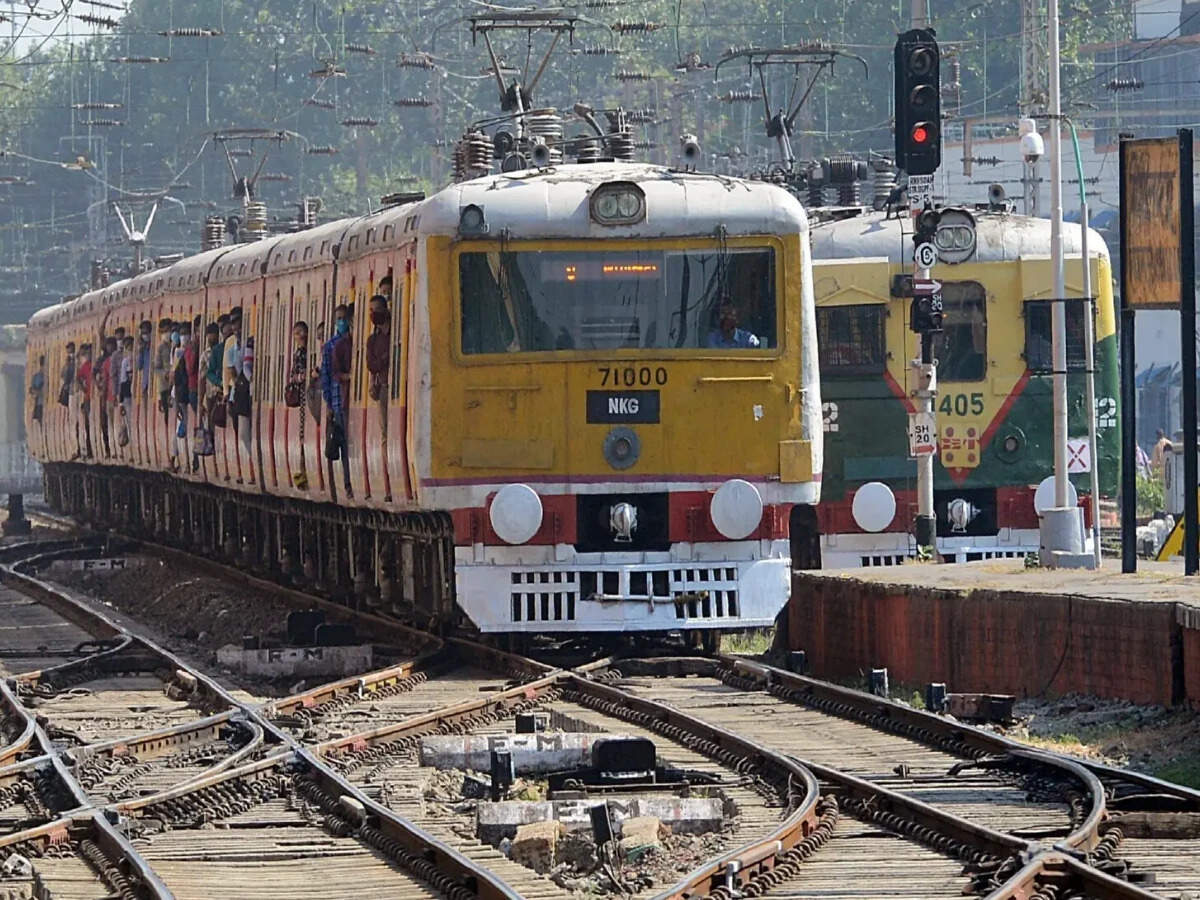
Electric locomotives to replace diesel on Bengaluru-Mangaluru ghat section
South Western Railway plans to introduce electric locomotives on the 55-km Sakleshpura-Subrahmanya Road ghat section. Diesel locomotives on the Bengaluru-Mangaluru rail section could soon become history.
Almost a year after the 55-km ghat section between Sakleshpura and Subrahmanya Road was electrified, South Western Railway (SWR) can shortly start running trains powered by electric locomotives.
The stretch with several steep gradients, tunnels and bridges is a crucial part of the rail link between Bengaluru and Mangaluru.
SWR has proposed switching seven trains using the stretch to alternating current (AC) traction: SMVT Bengaluru-Murdeshwar Express, Kozhikode Express, Yesvantpur-Karwar Express, Yesvantpur-Mangaluru Junction Weekly Express, Gomteshwara Express, Vijayapura-Mangaluru Central Express, and KSR Bengaluru-Karwar Panchaganga Express.
Of these, four trains are now diesel-hauled, while the rest are pulled by electric locomotives and partially by diesel locomotives. The Kozhikode Express, SMVT Bengaluru-Murdeshwar Express and Vijayapura-Mangaluru Central Express currently use diesel locos partially only to pass the ghats.
An SWR Mysuru division official said, “We are currently working on a traction sub-station (TSS) at Sakaleshpura. Once that is completed, we expect to conduct the electric trials for the section. The Research Designs and Standards Organisation (RDSO) trials for Vande Bharat were completed last month and were successful.”
As railway rules mandate automatic emergency brakes (AEB) along the ghats, only electric locomotives fitted with the feature will be used. Despite the traction upgrade, speed restrictions will continue. All trains, including the proposed Madgaon-Yeshwantpur Vande Bharat, will be capped at a maximum speed of 30kmph.
Karnataka is among five states/UTs yet to achieve 100 per cent rail electrification; currently, 97 per cent of the state’s network is electrified.
Join the community of 2M+ industry professionals.
Subscribe to Newsletter to get latest insights & analysis in your inbox.
All about ETEnergyworld industry right on your smartphone!
- Download the ETEnergyworld App and get the Realtime updates and Save your favourite articles.

-
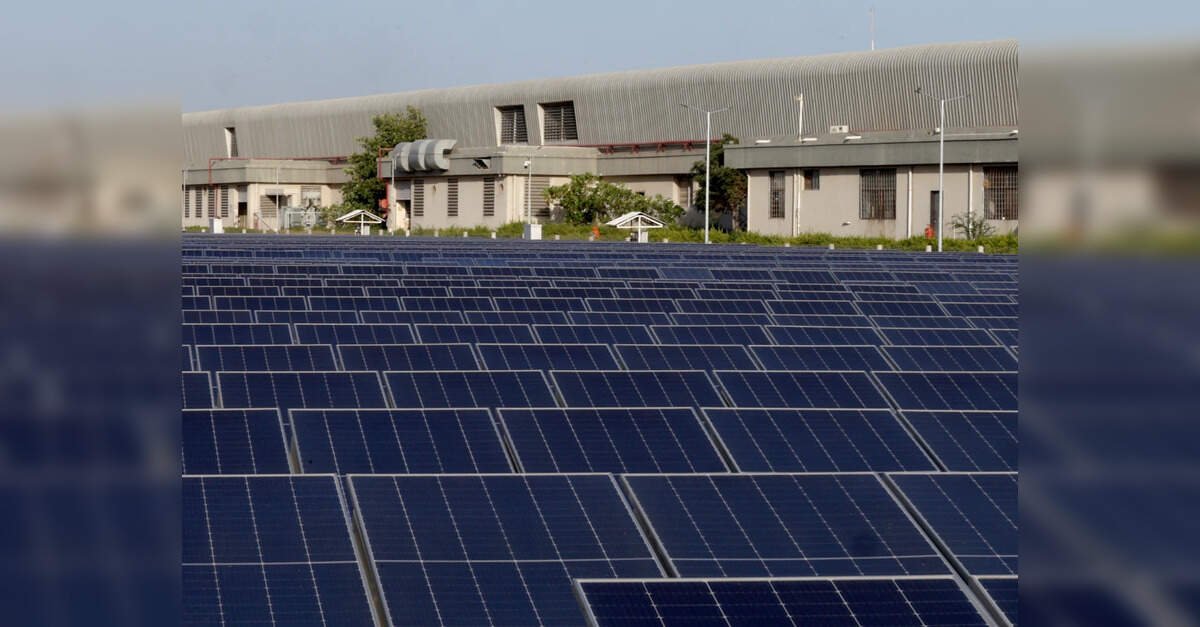
India wastes 4% of solar power amid power shortages in July, August: Report
- Published On Oct 12, 2026 at 01:17 PM IST
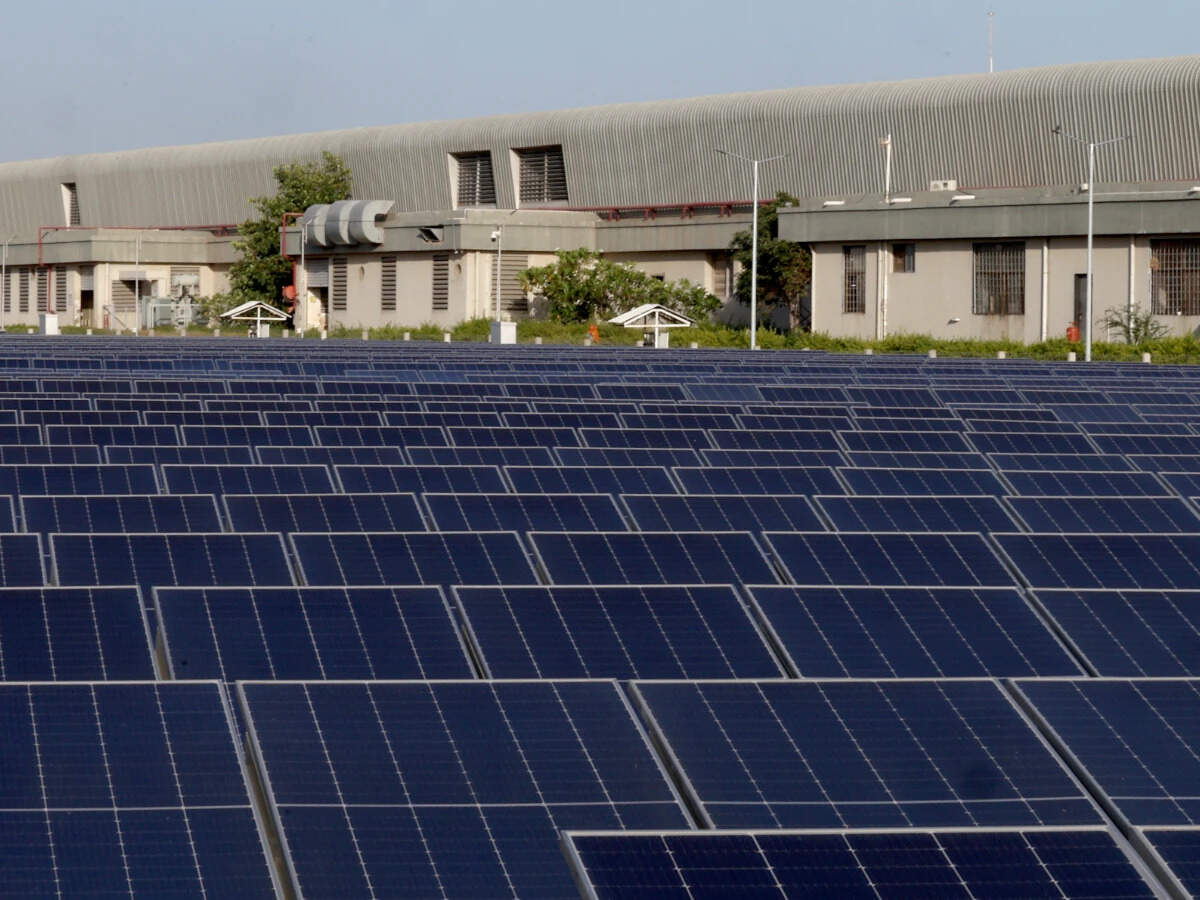
India’s transmission constraints are forcing renewable power curtailment even as electricity demand rises and coal stocks tighten. India turned away nearly 1.8 billion units of renewable electricity in July and August, even as it grappled with power shortages and dwindling coal stocks at power plants during a period of record electricity demand, a report showed on Monday.
About 4.2 per cent of total solar generation could not be absorbed by the grid in July and August, highlighting inadequate transmission infrastructure, data from the Centre for Research on Energy and Clean Air (CREA) showed.
The data highlight a growing challenge for India as it expands renewable energy capacity to meet its clean energy target of 500 gigawatts (GW) by 2030, up from the current 304 GW.
“Despite record renewable generation, significant volumes of renewable electricity continued to be curtailed because of grid and operational constraints,” CREA analysts said.
India, the world’s third-biggest solar power generator, held back 14% of its solar power output between April and June, according to government data.
The South Asian nation’s transmission network has struggled to keep pace with the increase in green energy, particularly solar, which accounts for about 168 GW, or nearly a third of its power generation capacity, according to government figures.
The clean power curbs came even as peak power demand touched 270 GW in July and coal inventories at power stations fell sharply, the energy think tank said.
Nearly half of the country’s coal plants had stocks under four days of their requirement early this month.
India added renewable capacity at a rapid pace over the past year, helping non-fossil sources account for more than half of the country’s installed power capacity.
Solar generation jumped 39 per cent from a year earlier during the quarter ended September, while renewable generation excluding large hydro crossed 100 billion units for the first time.
Coal remained the backbone of India’s power system during the quarter, supplying about two-thirds of electricity despite record renewable generation, as rising demand and a 20 per cent decline in hydropower output linked to the El Niño weather pattern increased reliance on fossil fuels, the report said.
- Published On Oct 12, 2026 at 01:17 PM IST
Join the community of 2M+ industry professionals.
Subscribe to Newsletter to get latest insights & analysis in your inbox.
All about ETEnergyworld industry right on your smartphone!
- Download the ETEnergyworld App and get the Realtime updates and Save your favourite articles.

-
Oilmax-Eleven Consortium wins Kutch offshore oil, gas block in DSF Round
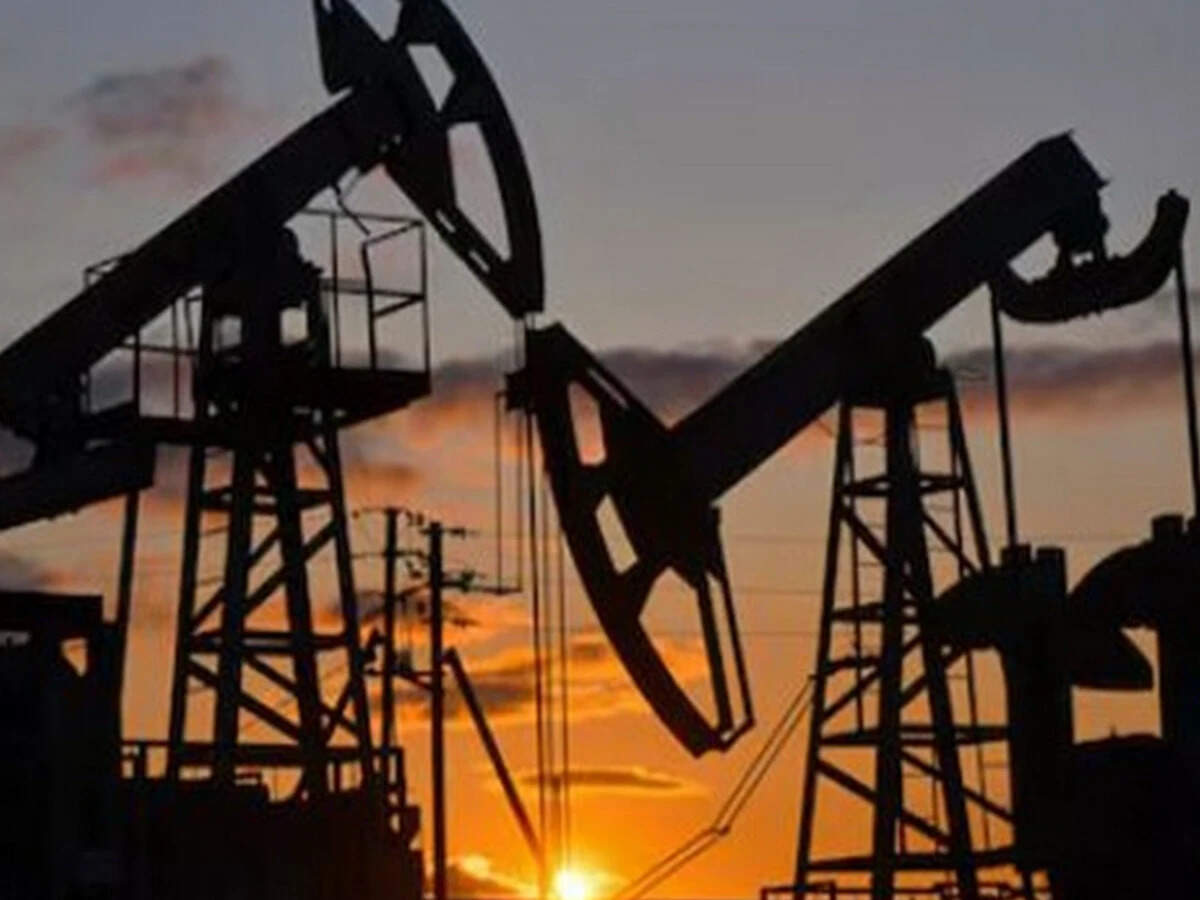
Image for representational purposes only. The Oilmax-Eleven consortium has emerged as the winning bidder for the Kutch offshore oil and gas block under the Government of India’s latest Discovered Small Fields (DSF) bidding round, according to a release issued on Monday.
The consortium secured the highest bid score in a competitive process, following which the Directorate General of Hydrocarbons (DGH), under the Ministry of Petroleum & Natural Gas, formally communicated the award through a Letter of Award (LOA).
Under the joint venture structure, Oilmax Energy Private Ltd and Eleven, via SAS Infotech, will each hold an equal 50 per cent participating interest in the offshore block. The win marks Eleven’s entry into India’s upstream energy space while bolstering Oilmax’s exploration and production portfolio nationwide.
Eleven, formerly known as SAS Group, was founded by Medanta co-founder Sunil Sachdeva and operates across healthcare, financial services, consumer technology, energy, and investments.
The award comes against the backdrop of strategic energy security priorities for India, the world’s third-largest energy consumer, which currently imports nearly 90 per cent of its crude oil requirements and around half of its natural gas demand to meet expanding consumption.
Emphasising the need to scale local output, Kapil Garg, Founder and Managing Director, Oilmax Energy, said “India’s energy demand will only rise as the economy continues to grow, and reliable, affordable energy is fundamental to sustaining that growth.”
“Developing our domestic oil and gas resources is essential to reducing import dependence, improving energy security and creating long-term value for the country. We look forward to bringing our technical expertise and experience to this asset,” Garg said.
Sunil Sachdeva, Co-founder, Medanta, and Chairman, Eleven, stated, “For India, energy security is no longer just an economic issue; it is a strategic one. The events of the last few years have shown how quickly global energy markets can be disrupted, which makes increasing domestic production critical.”
Join the community of 2M+ industry professionals.
Subscribe to Newsletter to get latest insights & analysis in your inbox.
All about ETEnergyworld industry right on your smartphone!
- Download the ETEnergyworld App and get the Realtime updates and Save your favourite articles.