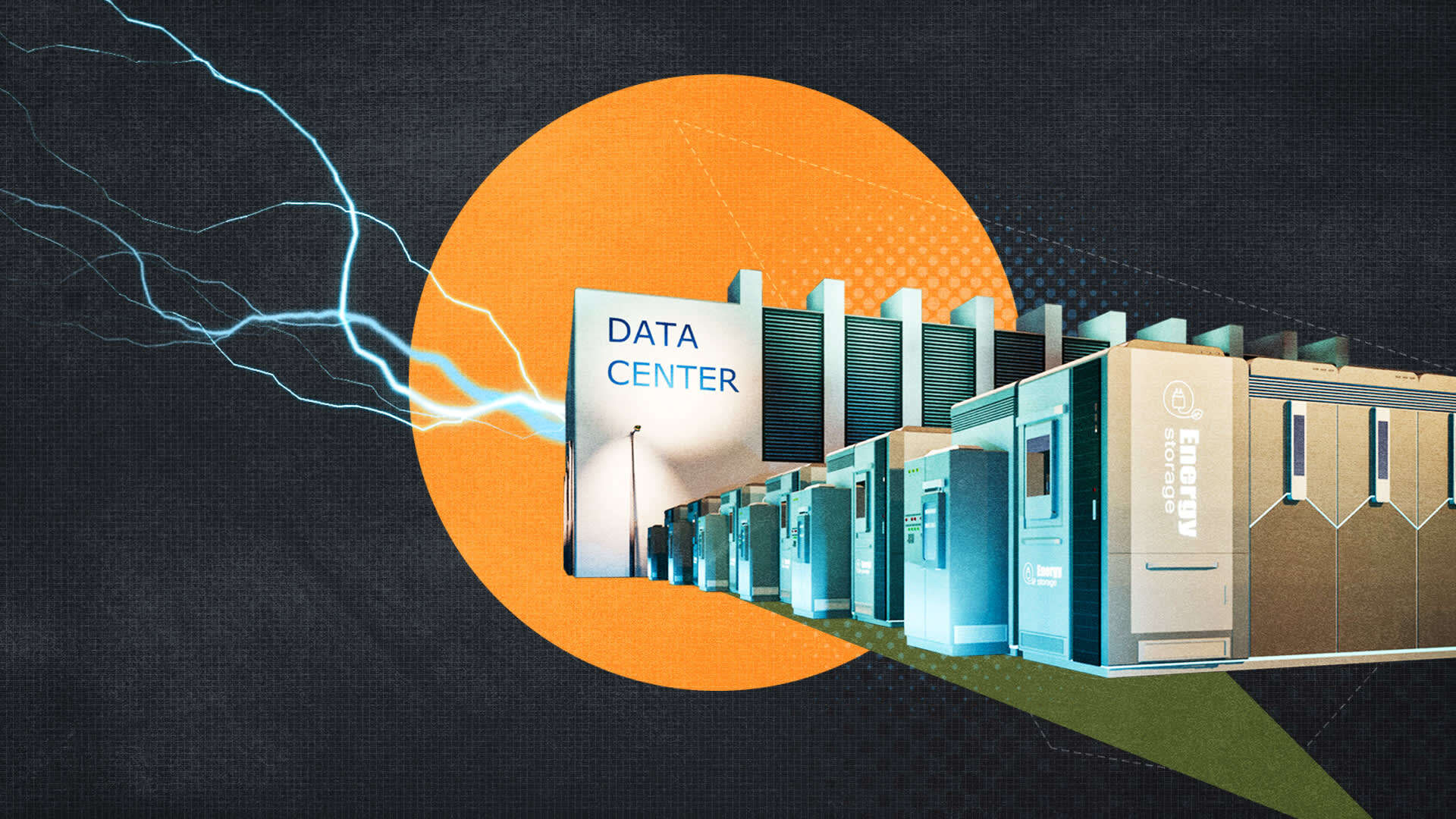
Only about 3 per cent of global data centre capacity is expected to be capable of shifting electricity consumption by 2030, limiting the potential of load shifting to ease pressure on power grids amid the rapid expansion of artificial intelligence (AI) and cloud computing, according to a new analysis by energy think tank Ember.
The report, released on October 29, estimates that shifting electricity consumption away from peak demand periods could reduce peak power demand by just 0.1-0.6 per cent across seven of the nine major markets examined. Ireland and Malaysia could see reductions of around 1.5 per cent.
The findings come as data centre operators explore flexible electricity consumption to manage rising demand for power and ease pressure on grid infrastructure.
About 87 per cent of global data centre capacity in 2030 is expected to support cloud services, enterprise IT operations and AI inference, according to Ember. These workloads typically require continuous operations or near-instant responses, limiting the scope to defer electricity consumption to off-peak periods.
AI training facilities offer greater flexibility because some computing tasks can be scheduled or temporarily interrupted. However, AI training is expected to account for a relatively small share of global data centre capacity, limiting the overall potential for load shifting.
Ember examined nine major markets: Texas, California and New York in the US; Ireland, the UK and Germany in Europe; and Malaysia, the Philippines and Singapore in Southeast Asia.
In Ireland and Malaysia, data centres could account for around a quarter of peak electricity demand by 2030, making their consumption patterns particularly significant for grid operators. Ember cautioned that its estimates are indicative and based on limited available data.
Onsite generation offers greater relief
Onsite electricity generation and battery storage could provide substantially greater relief to power grids than shifting computing workloads, the report said.
Onsite generation allows data centres to continue operating while reducing the electricity they draw from the grid during periods of peak demand.
A case study of two large data centres in Texas — Stargate Abilene and Comanche Circle — found that switching to onsite power generation could reduce peak grid demand by as much as 2.7 gigawatts (GW). Load shifting at the same facilities could reduce peak demand by about 0.55 GW.
The findings indicate that onsite generation could deliver nearly five times the peak demand reduction achievable through load shifting at the facilities examined.
Ember flagged the growing use of natural gas-based generation by data centre developers seeking reliable electricity supplies. Expanding gas-fired capacity to meet data centre demand could increase dependence on fossil fuels even as power grids transition towards cleaner energy sources.
Join the community of 2M+ industry professionals.
Subscribe to Newsletter to get latest insights & analysis in your inbox.
All about ETEnergyworld industry right on your smartphone!
- Download the ETEnergyworld App and get the Realtime updates and Save your favourite articles.