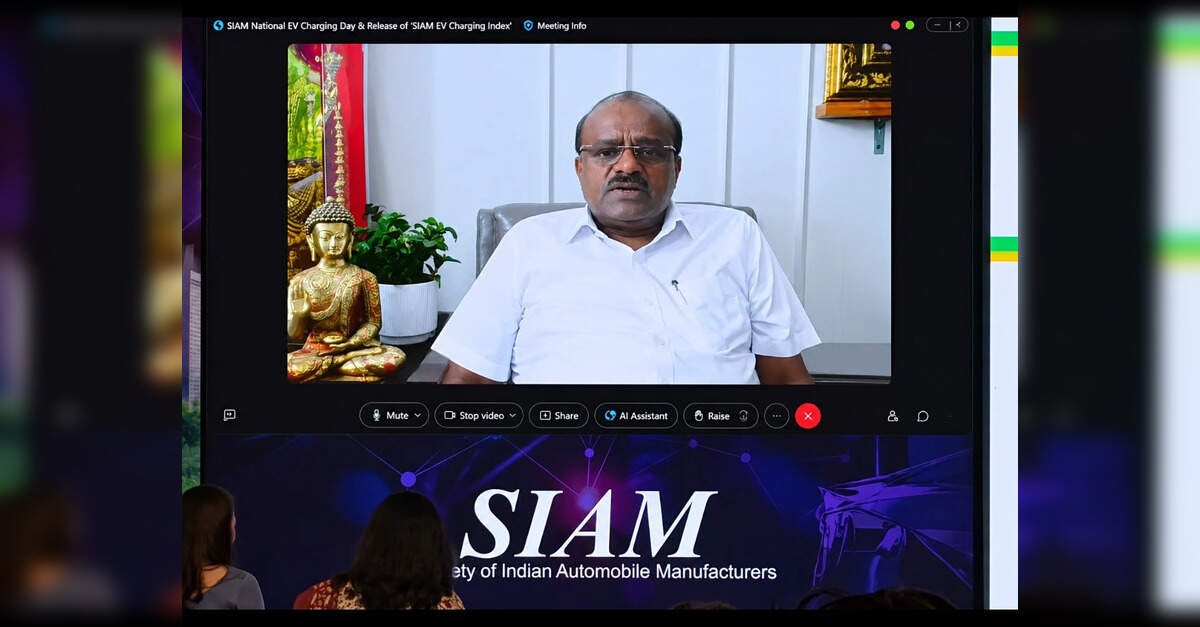
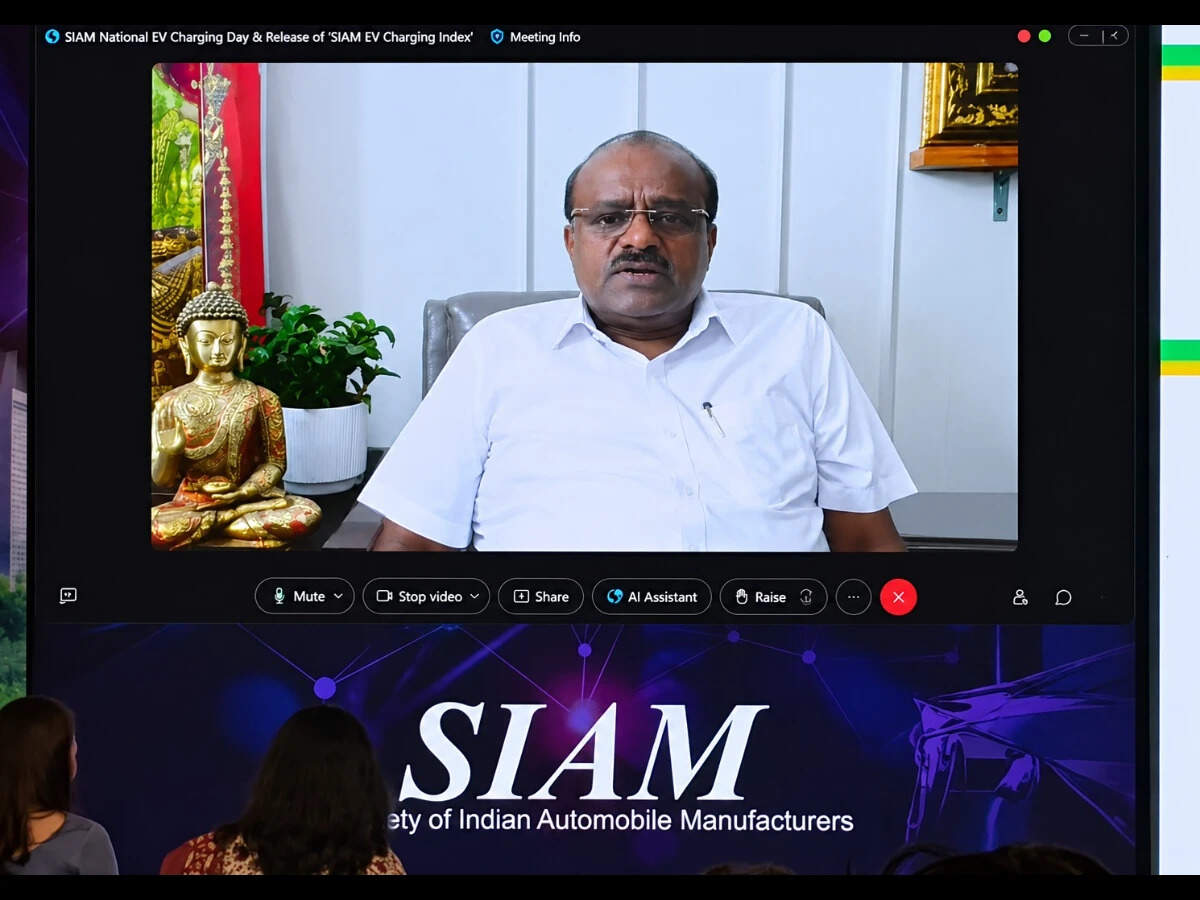
More than 30 lakh electric vehicles have been sold under the government’s PM E-DRIVE scheme as of September 30, 2026, Union Minister for Heavy Industries and Steel H D Kumaraswamy said on Friday.
Speaking at the Society of Indian Automobile Manufacturers’ (SIAM) National EV Charging Day event in New Delhi, the minister said the scheme, backed by an enhanced outlay, was supporting the expansion of India’s electric vehicle ecosystem.
The PM E-DRIVE scheme has an enhanced outlay of ₹11,900 crore, according to the Ministry of Heavy Industries. It was introduced to support EV adoption, charging infrastructure and the domestic manufacturing ecosystem.
Kumaraswamy said the government had earmarked ₹2,000 crore under the scheme for public charging infrastructure. Of this, ₹904 crore has been sanctioned to states and oil marketing companies for setting up 8,610 charging stations across the country.
Focus on charging infrastructure
The minister said the expansion of the charging network would require participation from charge point operators, automobile manufacturers, energy companies, oil marketing companies, grid operators, technology providers, real estate developers and financial institutions.
He also called for a shift in how progress in charging infrastructure is measured, saying the number of chargers sanctioned or installed should not be the sole indicator.
“A charging station must be operational. It must provide the required capacity. It must be easy to locate and access. Payments should be convenient, and technical faults should be resolved quickly,” he said.
Kumaraswamy said charging infrastructure needed to expand beyond metropolitan areas to smaller towns, rural and peri-urban areas, industrial clusters, tourism circuits and emerging economic corridors.
He also called for infrastructure planning to account for higher-capacity charging requirements for electric buses and trucks, along with renewable energy integration and energy storage.
The minister said the Centre, state governments, local authorities and industry would need to work together to develop the charging network and ensure its continued operation.
Join the community of 2M+ industry professionals.
Subscribe to Newsletter to get latest insights & analysis in your inbox.
All about ETEnergyworld industry right on your smartphone!
- Download the ETEnergyworld App and get the Realtime updates and Save your favourite articles.