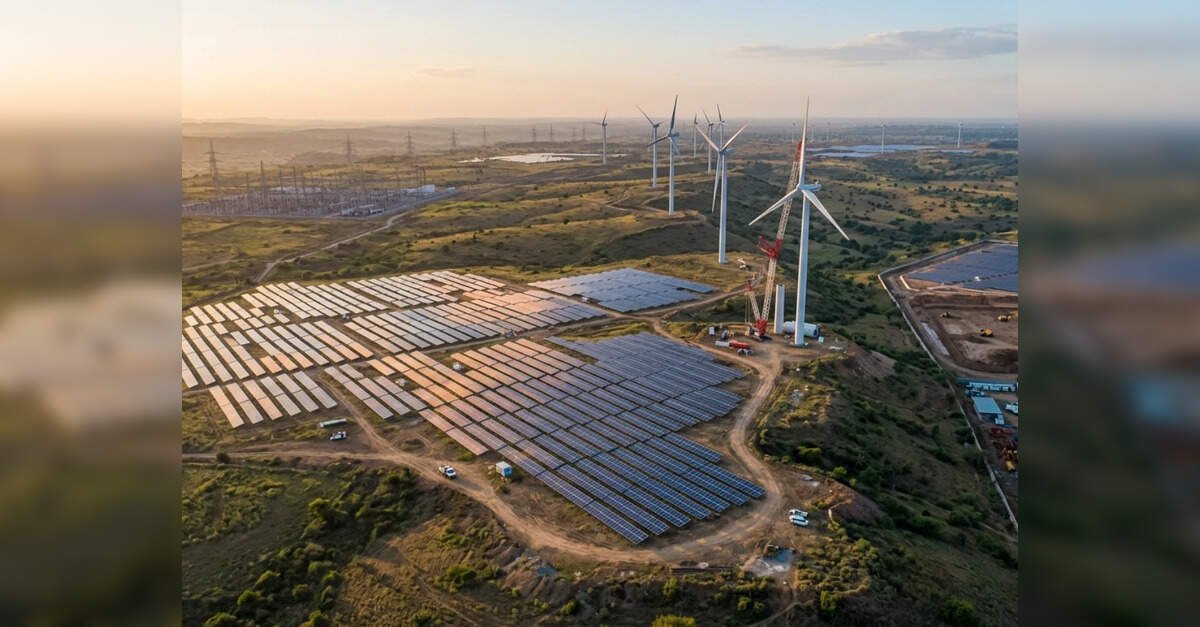
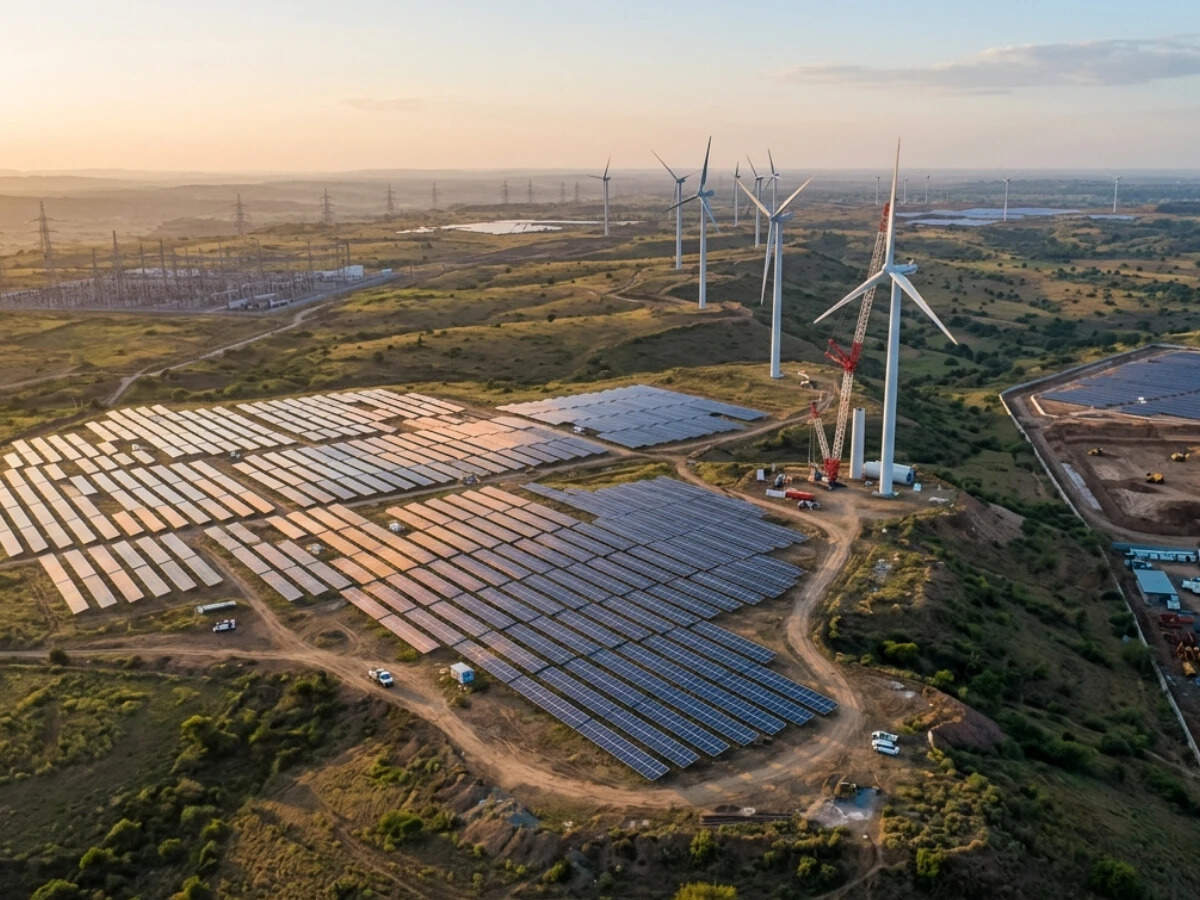
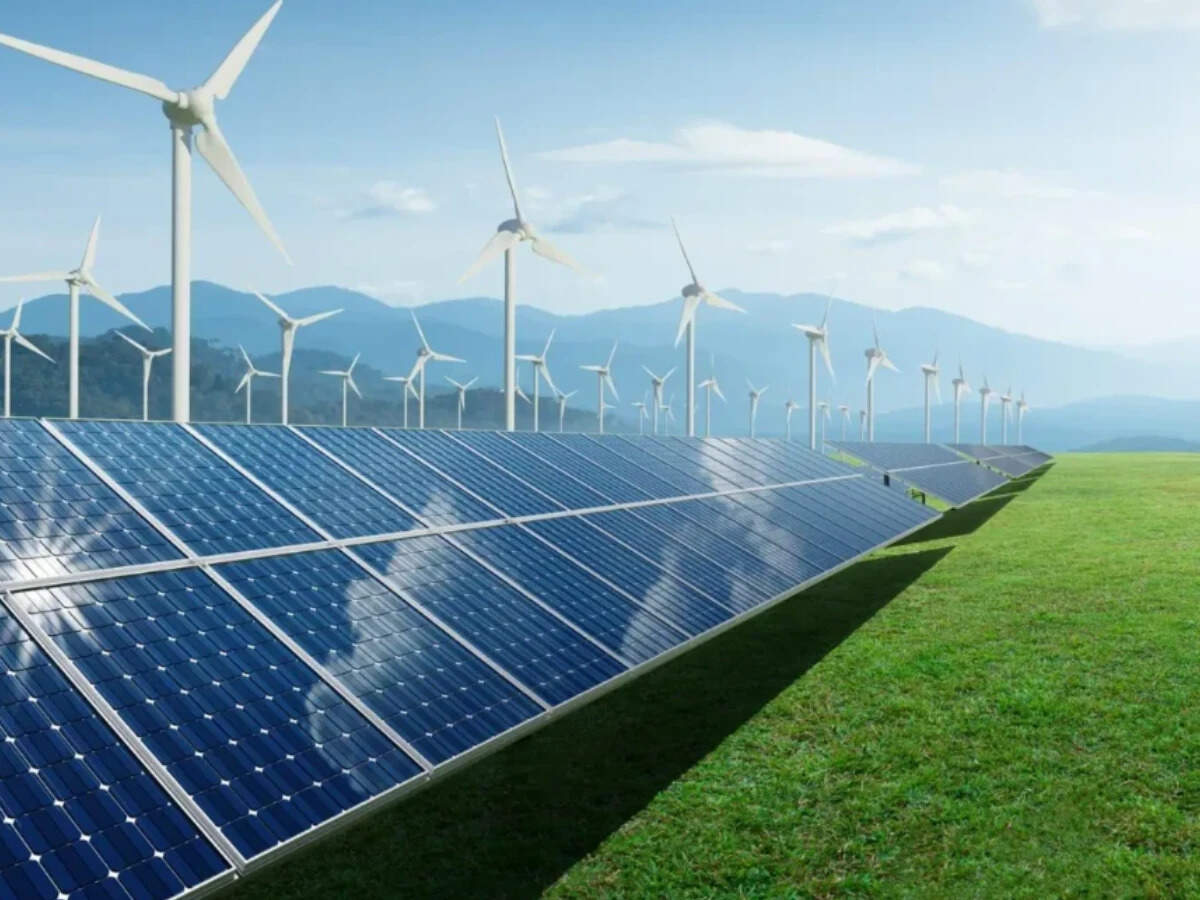
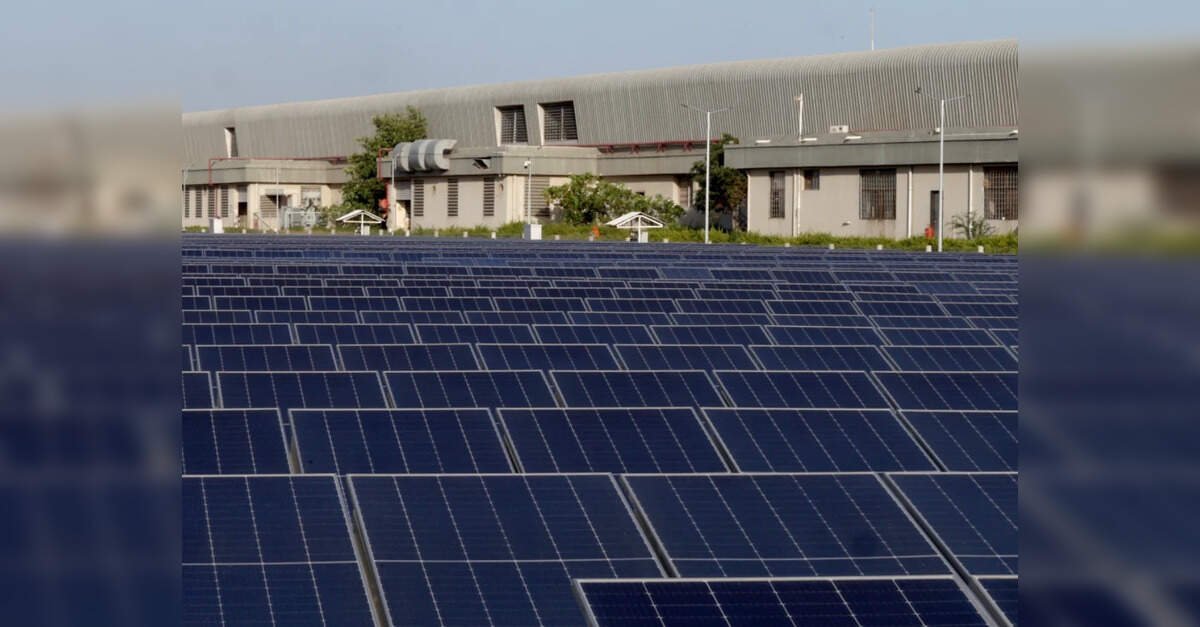
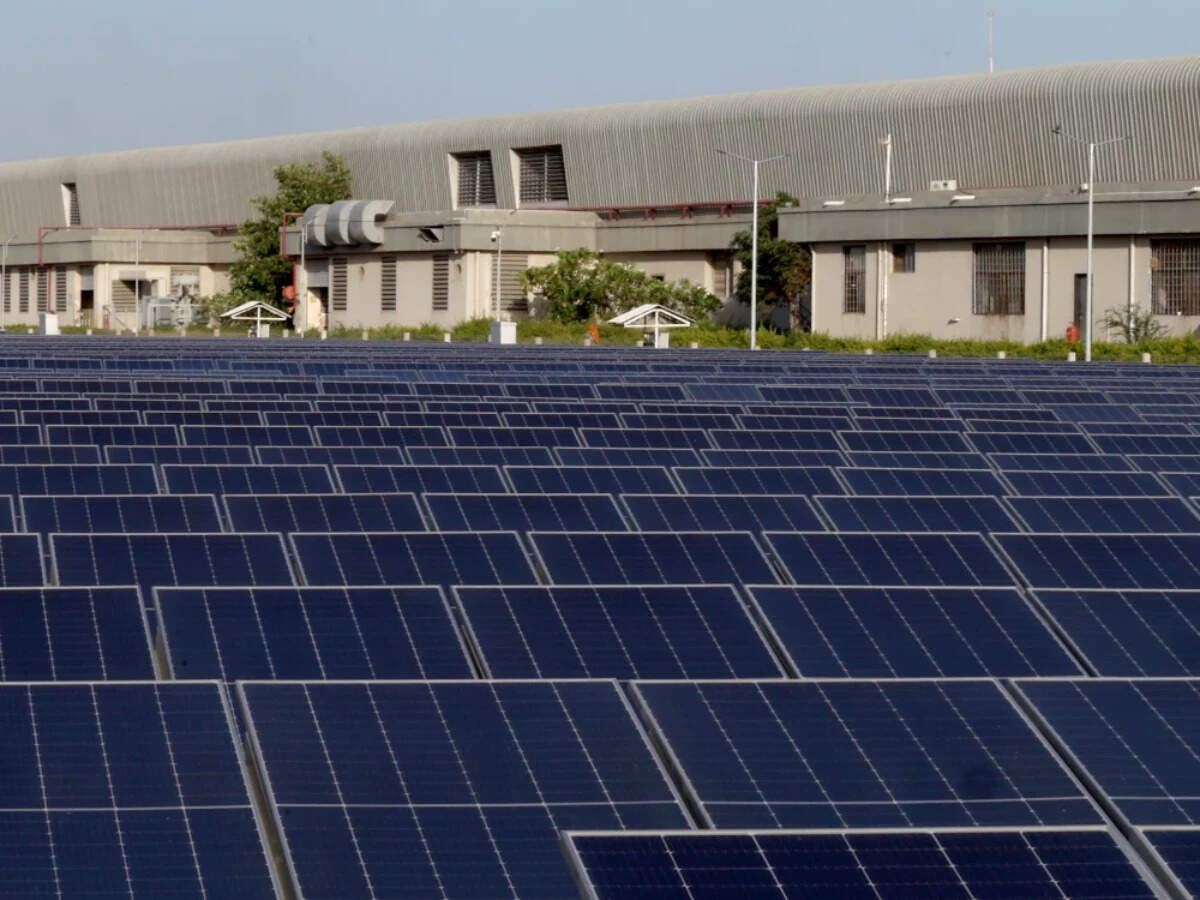
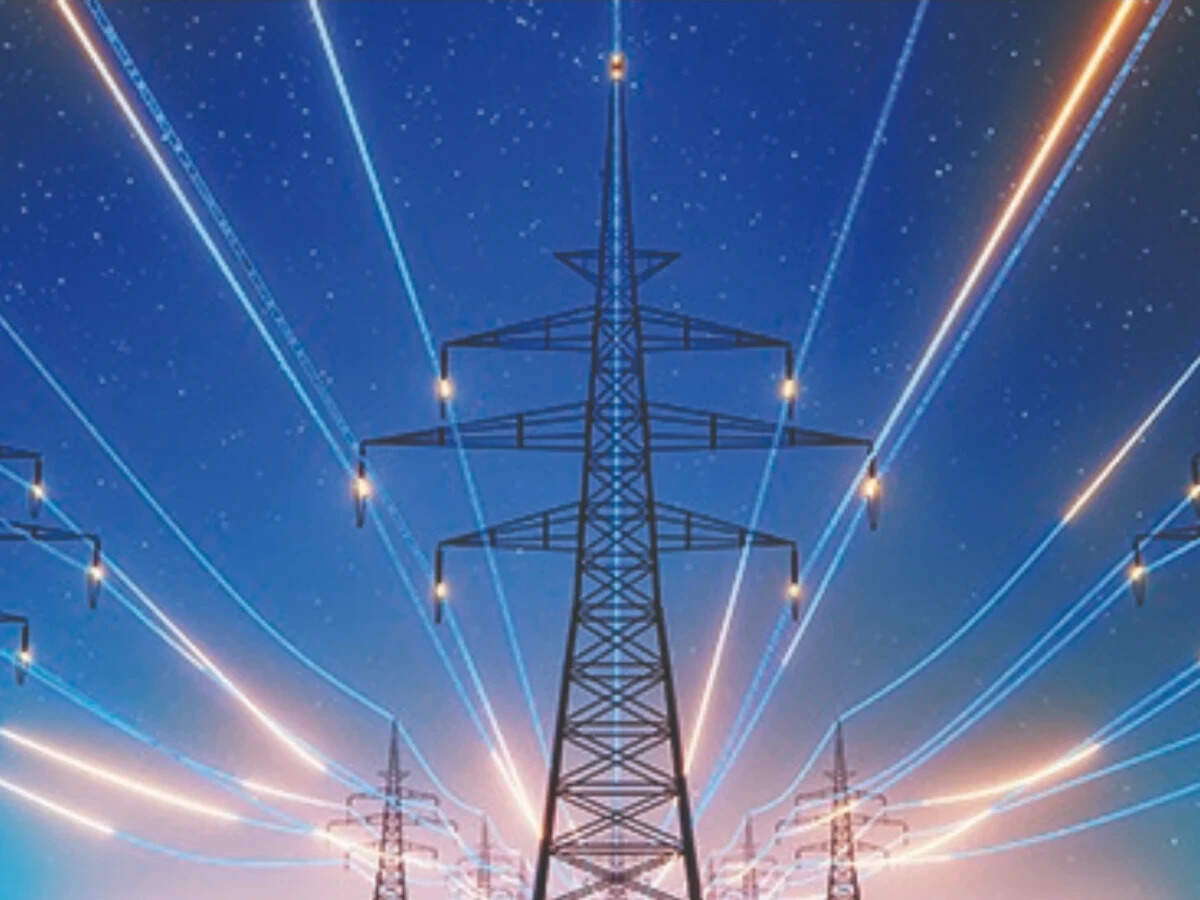
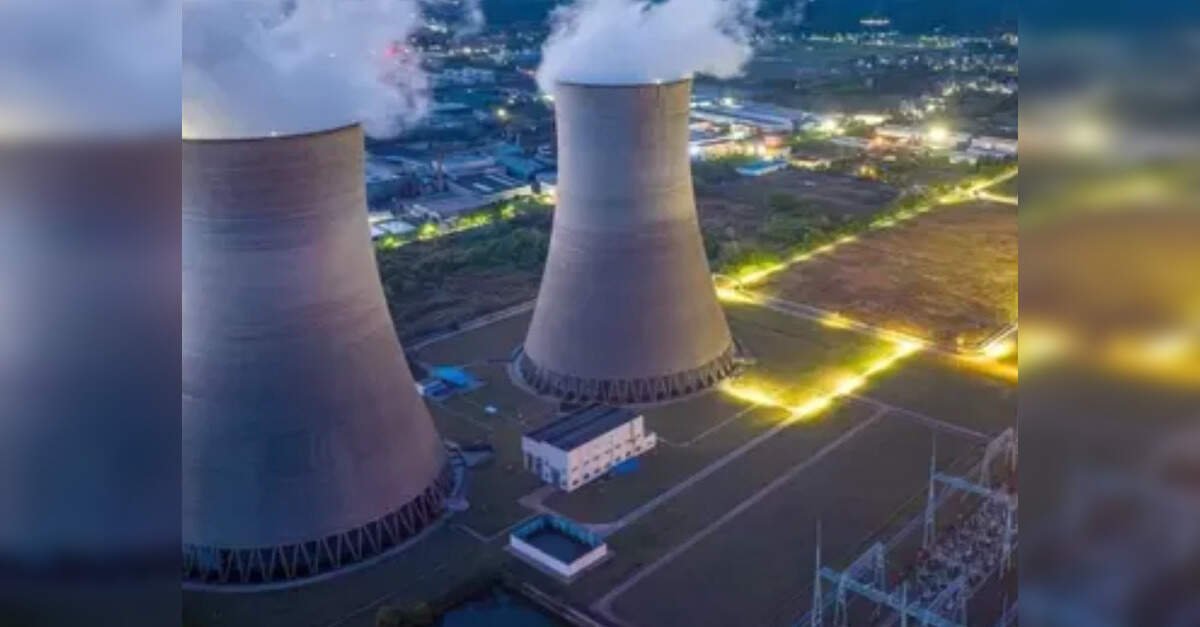
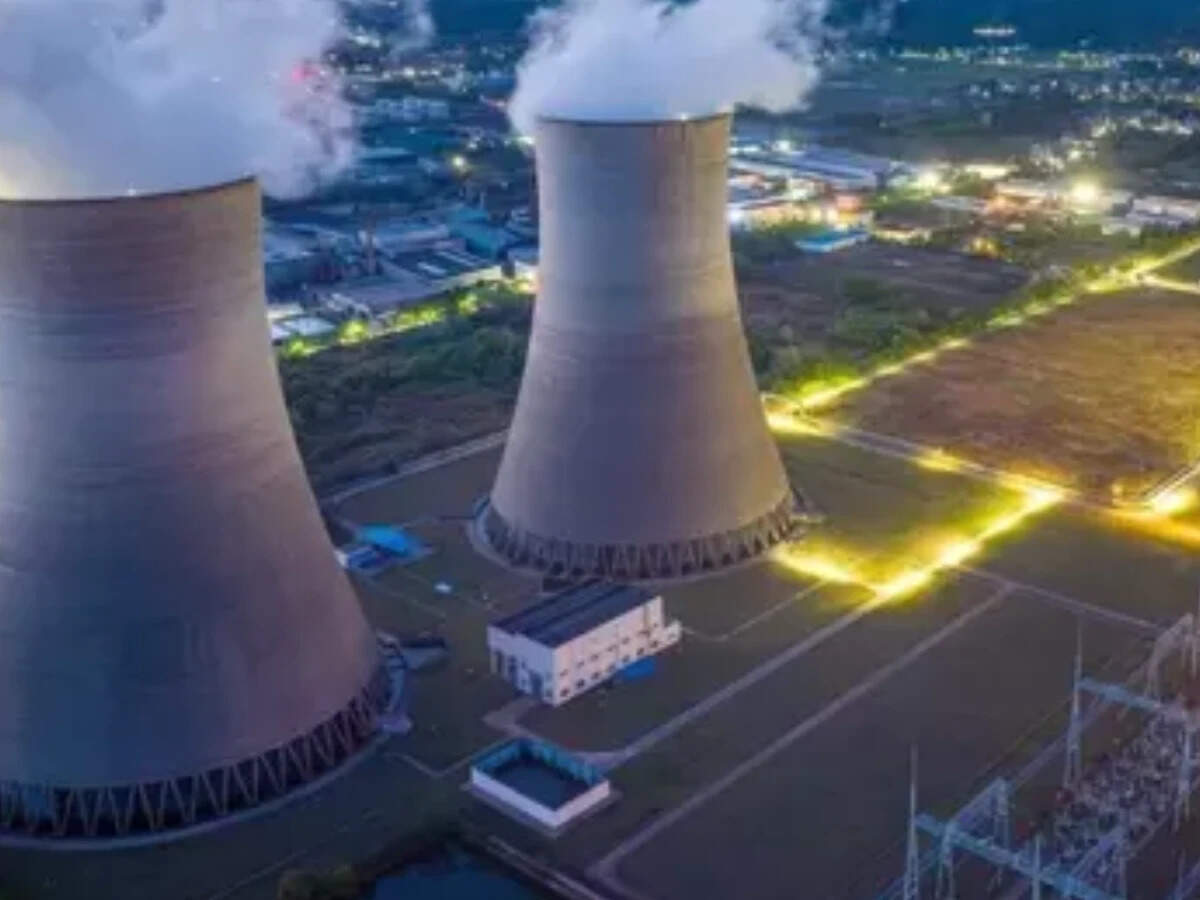
Aditya Birla Renewables is now exploring longer-term, project-level financing, backed by assets and generally costing less than bridge loans. (Representational image)
Aditya Birla Renewables is seeking $1.5 billion in rupee-denominated loans to fund its $1.8 billion acquisition of Shell’s Indian renewable energy business, aiming to avoid costlier bridge financing, Reuters reported, citing sources familiar with the discussions.
The renewable energy arm of the Aditya Birla Group had earlier secured a $1.6 billion bridge loan commitment from MUFG Bank to finance the acquisition of Solenergi Power, a Shell unit that includes the Sprng Energy group companies.
The two companies agreed to the deal in July.
Aditya Birla Renewables is now exploring longer-term, project-level financing, backed by assets and generally costing less than bridge loans. The proposed loans are expected to have a tenor equivalent to about 80 per cent of the projects’ lifecycles, a source said.
The financing is likely to be split across 17-20 special purpose vehicles holding individual projects, including operational assets and projects under construction, the report added.
Bridge loans are short-term borrowings used to meet immediate funding needs and typically carry higher borrowing costs, while longer-term project financing is backed by assets and reduces the cost of funding. Rupee-denominated loans are borrowed and repaid in Indian currency, which can help reduce foreign exchange risk compared with dollar-denominated borrowing.
Banks approached for project financing
Aditya Birla Renewables has approached several Indian lenders, including State Bank of India and HDFC Bank, for the proposed loans, according to the report.
The company is not immediately required to pay Shell because the transaction has yet to close, giving it time to finalise the financing structure.
Aditya Birla Renewables is yet to comment on the matter. MUFG Bank, SBI and HDFC Bank also did not respond to requests for comment.
The sources declined to be identified, saying they were not authorised to speak to the media.
Join the community of 2M+ industry professionals.
Subscribe to Newsletter to get latest insights & analysis in your inbox.
All about ETEnergyworld industry right on your smartphone!
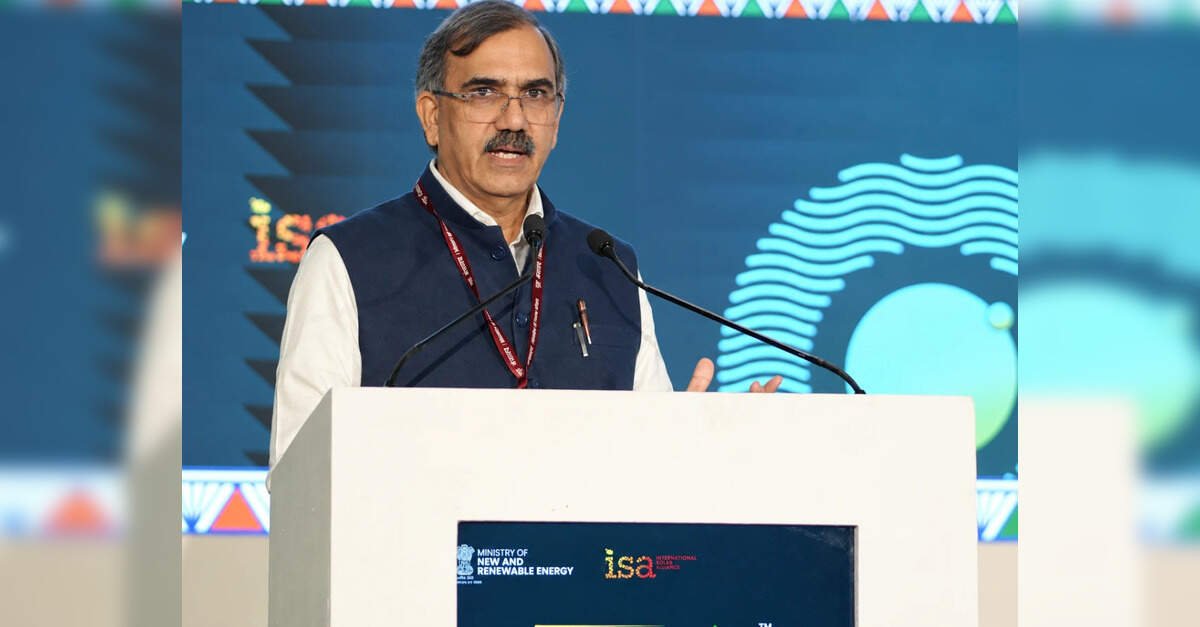
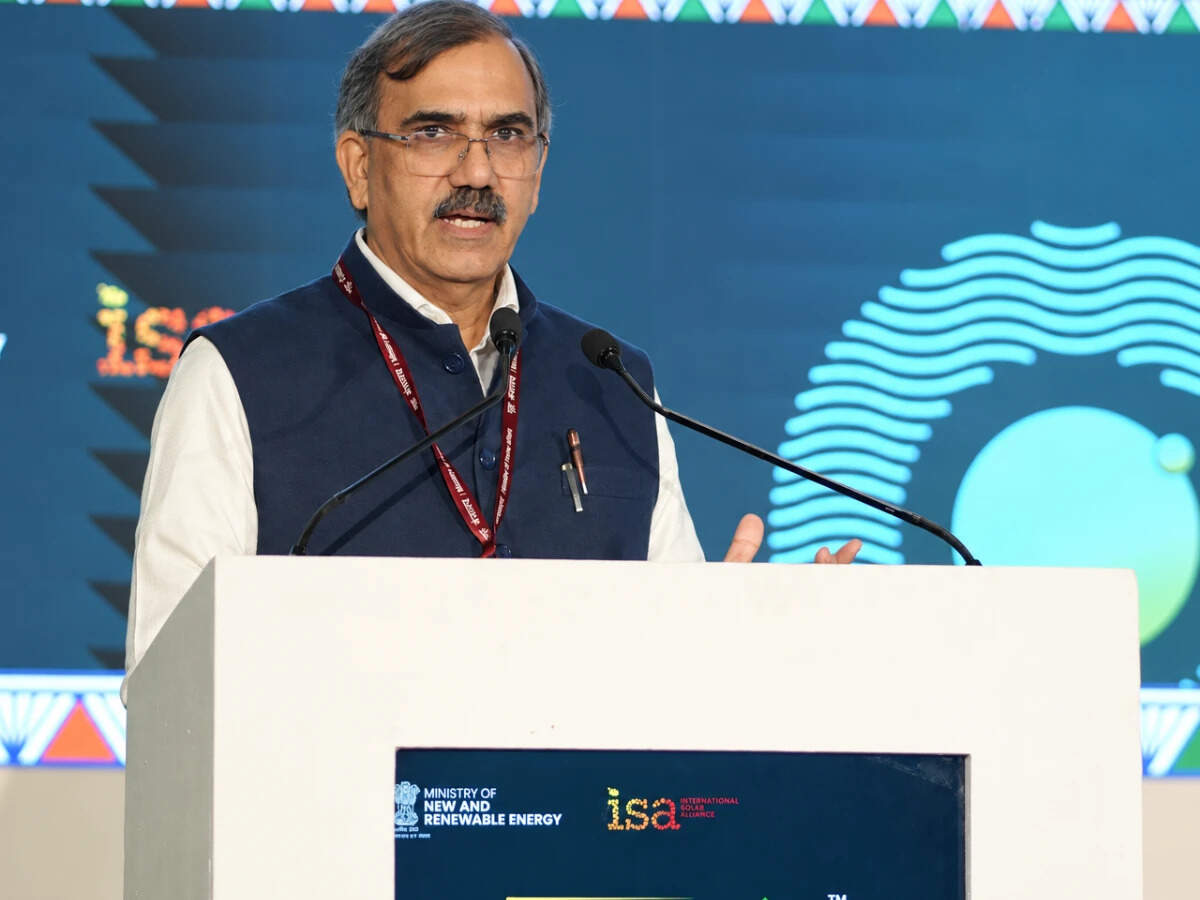
Shri Abhay Bakre, Mission Director, National Green Hydrogen Mission
Q1. India has crossed 300 GW of non-fossil fuel capacity and is racing toward 500 GW. Yet you’ve argued that electricity alone cannot complete the energy transition. Why is that?
The way we talk about India’s energy transition, we often default to installed capacity and power generation. But electricity accounts for only around 23 per cent of the energy our economy actually consumes. The remaining 76 to 77 per cent is consumed in the form of molecules with fuels like coal, oil and gas. And most of those molecules we are importing today.
That’s the structural challenge. As our economy grows, so does our energy demand and the need for molecules across industry. Renewable electricity is already transforming the energy landscape, and the next opportunity is to extend that transformation to the molecular side of our energy system. This is where green hydrogen can play a central role, helping decarbonise hard-to-abate sectors and enabling a more sustainable, resilient energy future.
Q2. What does the investment opportunity around green hydrogen actually look like? The numbers being cited are significant.
Producing 1 million tonnes of green hydrogen requires roughly ₹1.5 lakh crore in investment. Our national target under the mission is 5 million tonnes of annual production by 2030. That puts the investment potential in hydrogen production alone at ₹8 to 10 lakh crore. And that’s before you factor in the associated infrastructure like pipelines, storage, transportation and port facilities needed to move green hydrogen and its derivatives at scale.
This is not a niche opportunity. It is one of the largest investment frontiers in India’s clean energy story, and it spans manufacturing, infrastructure and technology in equal measure.
Q3. The immediate focus of the mission is on replacing grey hydrogen in fertilisers and refineries. But you’ve spoken about the need to create demand well beyond those sectors. How do you see that unfolding?
The fertiliser and refinery sectors are the logical starting point because they already consume more than 6 million tonnes of grey hydrogen. Replacing that with green hydrogen is the most direct and near-term application. We’ve already awarded our first green ammonia tender, which could help displace 25 to 30 per cent of India’s grey ammonia imports.
But if we stop there, we limit the scale. And scale is what drives cost reduction. The first fundamental challenge with green hydrogen is cost, and cost can only come down if demand is large enough to justify scale. So, we are actively working to open new sectors like mobility, steel, process industries and shipping.
We have hydrogen-powered truck and bus trials running across more than 20 identified highways, with over six fuelling stations operational. We expect 45 to 50 hydrogen-powered vehicles in trials by the end of 2026 and are targeting at least 400 to 500 hydrogen buses or trucks operating by 2030. Even capturing a small share of maritime fuel demand would create meaningful volumes, given the scale of global shipping.
Q4. India is also being positioned as a future export hub for green hydrogen derivatives. How competitive is India’s position realistically?
India has a strong and genuine advantage here — our renewable energy costs are among the lowest in the world, and the ability to produce green hydrogen cheaply depends directly on the cost of the renewable electricity used to make it. That translates into a competitive position for green hydrogen derivatives like green ammonia and green methanol, which are far easier to transport over long distances than hydrogen itself.
Countries that currently import fossil fuels are actively looking to shift towards cleaner fuel supplies. India can be that supplier. The Pudimadaka green hydrogen hub near Visakhapatnam, our first dedicated hub under the mission, is being developed with a significant focus on the export market and involves an investment of approximately ₹1.85 lakh crore. That’s a signal of how seriously we are taking the export dimension.
Q5. There’s been consistent emphasis on domestic manufacturing like electrolysers, fuel cells, hydrogen equipment. Where does that stand?
This is non-negotiable for us. We cannot build a green hydrogen ecosystem on imported components. It would recreate the same dependency we are trying to eliminate.
We have so far awarded 3,000 MW per annum of electrolyser manufacturing capacity under the mission. The technology and collaboration opportunities are significant and we’ve seen strong interest from countries like Germany, where the technology is advanced, and where there is real appetite to combine German technical capability with India’s manufacturing cost advantage. That is the kind of partnership that can accelerate both the domestic and export ambitions simultaneously. But the goal is clear: India needs to manufacture the core equipment of the hydrogen economy, not just consume it.
Q6. BRE Summit 2026 in November will host the 4th International Conference on Green Hydrogen alongside the main summit and the ISA Assembly. What does that convergence mean for the mission?
It is a genuinely significant moment. For the first time, we are bringing three major renewable energy events under a single platform. The BRE Summit and Expo, the 9th Session of the ISA Assembly and the 4th International Conference on Green Hydrogen. That’s not just a logistical achievement; it reflects how interconnected these agendas have become.
The green hydrogen conference will sit at the heart of a broader conversation about policy, capital, technology and international partnerships, all in the same room, at the same time. In the Bharat Renewable Energy Summit 2026, we are expecting participation from 130+ countries, 20+ state Governments, 75000+ Participants, 500+ Speakers with around 80+ Technical sessions and Policy sessions covering emerging technologies, investment opportunities and the frameworks needed to scale the sector.
The summit happens at exactly the right moment. Early enough in the mission’s lifecycle to shape the next phase, and large enough in its reach to bring in the global partnerships that will define whether India realises its green hydrogen potential. I would invite everyone working across the hydrogen value chain, developers, manufacturers, technology providers, financiers and policymakers to join us in New Delhi from 2 to 5 November.
(Disclaimer: This content is published under the Brand Connect Initiative and is independent of the newsroom’s editorial coverage.)
Join the community of 2M+ industry professionals.
Subscribe to Newsletter to get latest insights & analysis in your inbox.
All about ETEnergyworld industry right on your smartphone!
Waaree, Premier, Vikram Solar Q2 preview: Sales set to jump, but margins may shrink
Domestic solar equipment manufacturers, Waaree Energies, Premier Energies and Vikram Solar are poised for a quarter characterised by steady top-line expansion alongside gradual margin recovery, according to an earnings preview note by institutional brokerage firm PL Capital.
The brokerage projects a moderate performance in the second quarter of financial year 2026-27 (Q2FY27) across our solar equipment manufacturing coverage, underpinned by strong domestic solar additions, newly commissioned capacities, robust order inflows, and backward integration.
Waaree Energies
For Waaree Energies, PL Capital forecasts revenue to grow 27.6 per cent YoY to ₹7,742.8 crore, compared to the year-ago quarter. However, adjusted profit after tax (PAT) is projected to decline 25.7 per cent YoY to ₹626.4 crore.
Operating profitability is also likely to contract, with EBITDA margin estimated at 15.1 per cent versus 23.2 per cent in the base period. The brokerage noted “higher contribution from the US market and domestic retail & C&I, which offer better realisations than utility-scale projects, is offset by higher raw material costs”.
Premier Energies
Premier Energies is expected to deliver steady growth, with revenue projected to rise 35.6 per cent YoY to ₹2,491.1 crore. Adjusted PAT is estimated to increase 18.9 per cent YoY to ₹420.2 crore, while EBITDA margin is expected at 26.8 per cent compared to 30.5 per cent in the corresponding quarter last year.
PL Capital said that revenue momentum is being driven by improved capacity utilisation and higher contribution from cell revenue. Additionally, the company has commissioned its 7 GW cell manufacturing plant at Naidupeta, expanding aggregate cell capacity to 10.6 GW, which will begin contributing from Q3FY27.
Vikram Solar
Vikram Solar is anticipated to post the strongest top-line growth among the three, with revenue rising 58 per cent YoY to ₹1,754.1 crore. Despite volume growth, profitability remains under pressure; adjusted PAT is projected to contract 69.9 per cent YoY to ₹38.7 crore, with EBITDA margin shrinking to 8.5 per cent from 21.2 per cent in the prior-year period.
PL Capital indicated that volumes are aided by the ramp-up of the Gangaikondan facility and a 1GW domestic cell supply pact with Avaada, though easing cell shortages and a competitive pricing environment could limit margin expansion.
Ratings:
In terms of stock calls, PL Capital has upgraded Premier Energies to a ‘Buy’ rating from ‘Accumulate’ with a target price of ₹1,316. The brokerage maintained its ‘Buy’ rating on Waaree Energies with a target price of ₹3,494, while reiterating an ‘Accumulate’ rating on Vikram Solar with a target price of ₹162.
Disclaimer: This article has been written by the author, who is not a SEBI-registered research analyst or investment adviser. The recommendations, suggestions, views and opinions expressed by experts and brokerages are their own and do not represent the views of ETEnergyWorld. This article should not be construed as investment advice.
Join the community of 2M+ industry professionals.
Subscribe to Newsletter to get latest insights & analysis in your inbox.
All about ETEnergyworld industry right on your smartphone!
Nuclear tensions flare as Iran defies fresh US threats, refuses to halt uranium enrichment or surrender stockpile
Iran will neither halt uranium enrichment nor hand over its uranium, the country’s Atomic Energy Organisation chief Mohammad Eslami said on Thursday, reaffirming Tehran’s position amid renewed US threats targeting its nuclear facilities, reported Reuters.
According to Iranian state media, Eslami dismissed the latest US warnings as “nothing new” and maintained that uranium enrichment remained “an inseparable part” of the country’s nuclear process.
His remarks signal Iran’s continued refusal to give up uranium enrichment activities or surrender its uranium despite pressure from Washington.
Google, Amazon and Meta are expanding renewable power procurement in India as data centre and AI infrastructure drive electricity demand.
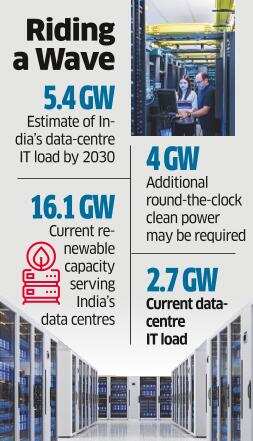
Google, Amazon, Meta and Apple have emerged as major corporate buyers of renewable power in India, as their data centre expansion pushes up demand for clean electricity. Renewable capacity required to serve India’s data centres could increase to 32.4 GW by 2030 from 16.1 GW this year, according to Anand Rathi Research’s latest report.
The sharp increase is being driven by the rapid growth of data centres and artificial intelligence (AI). India’s data-centre IT load is estimated to increase to 5.4 GW by 2030 from 2.7 GW in 2026. Meeting this demand could necessitate about 4 GW of additional round-the-clock clean power.
This is creating a new market for renewable energy developers. Instead of relying solely on state distribution companies, large technology companies are increasingly looking to secure power directly through long-term contracts. Hyperscalers are seeking 15-20 year power purchase agreements (PPAs). This gives renewable developers a more predictable revenue stream and allows them to build projects against long-term corporate demand.
Meta has contracted nearly 1 GW of new renewable energy in India, including 837 MW of solar and wind projects with Clean Max Enviro Energy Solutions (CleanMax), and another 88 MW with Fourth Partner Energy. It has also tied up with Reliance Industries for a 168 MW AI-enabled data centre in Jamnagar, Gujarat. Amazon has signed wind PPAs in India totalling 199 MW with CleanMax and BluPine Energy, while its India renewable portfolio includes 50 wind and solar projects. Google has signed a long-term agreement supporting a 150 MW solar project in Rajasthan, having previously backed 186 MW of wind and solar capacity in India.
Mumbai-based CleanMax is among the companies benefiting from this shift. Data and AI already account for about 42% of its contracted renewable power sales capacity, while the company has secured more than 35% of hyperscaler deals signed in India, according to the research.
The economics are attractive for both sides. Corporate consumers can negotiate renewable power directly with developers, while group-captive and open-access structures can lower their electricity costs compared with conventional grid supply.
The growth of virtual PPAs and energy attribute purchase agreements is further expanding the market. These structures allow global companies to secure renewable energy attributes and meet carbon reduction targets even when physical power delivery is not directly linked to their facilities. Hyperscalers offer developers stable, long-term contracts, while tech companies increasingly view renewable energy as essential to managing increasing data centre power costs.
Join the community of 2M+ industry professionals.
Subscribe to Newsletter to get latest insights & analysis in your inbox.
All about ETEnergyworld industry right on your smartphone!
The proposed interconnection has the potential to facilitate reliable cross-border electricity trade, support clean energy integration and strengthen regional energy security.
India and Singapore are exploring options for a proposed 2,000 MW cross-border power interconnection, Minister of State for power and renewable energy Shripad Yesso Naik said on Thursday.
One of the options under consideration is a land-based transmission corridor of around 3,000 km connecting Imphal in India to Singapore through Myanmar, Thailand and Malaysia, Naik said while addressing the East Asia Summit energy ministers’ meeting in Manila.
The proposed interconnection has the potential to facilitate reliable cross-border electricity trade, support clean energy integration and strengthen regional energy security, he said. Naik said India was ready to share its experience in large-scale renewable energy deployment, grid integration, transmission planning, energy storage, green hydrogen and clean energy technologies with the participating easy Asian countries.
He called for greater institutional linkages between the ASEAN Centre for Energy and Indian institutions, including NTPC, Power Grid Corporation, Central Electricity Authority, among others. There are opportunities for cooperation on strategic petroleum reserves, electricity system resilience, LNG and gas supply security, renewable energy forecasting, battery energy storage, green hydrogen and other emerging energy technologies in the region, he said.
US consumers are shifting towards hybrids and used EVs as new electric vehicle sales decline after the federal tax credit expired.
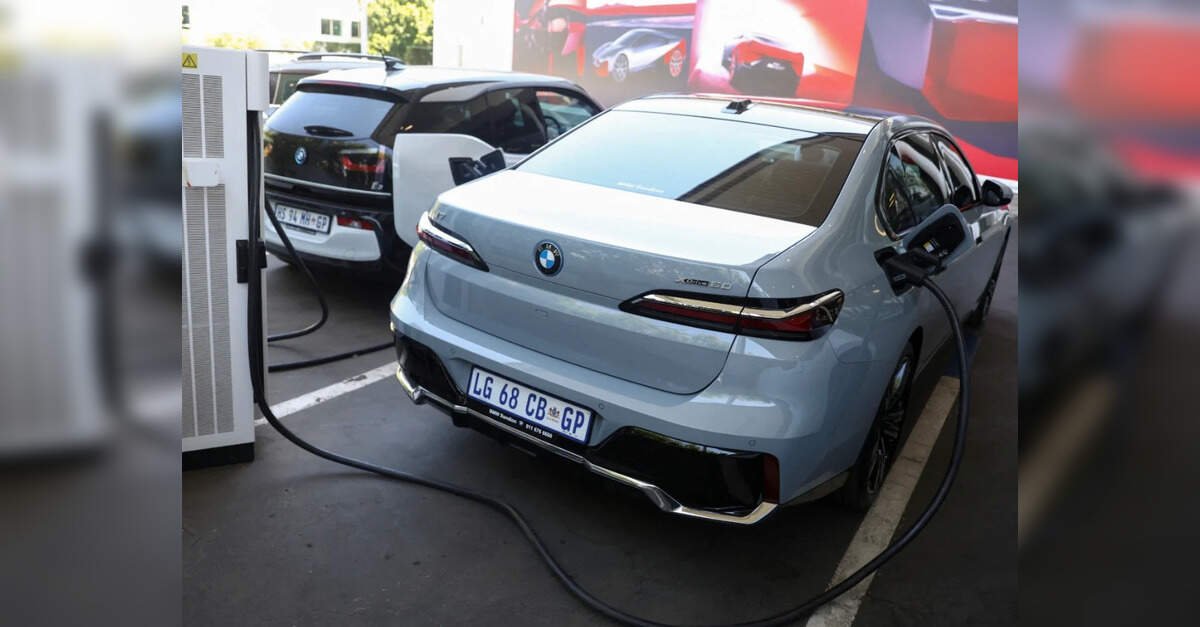
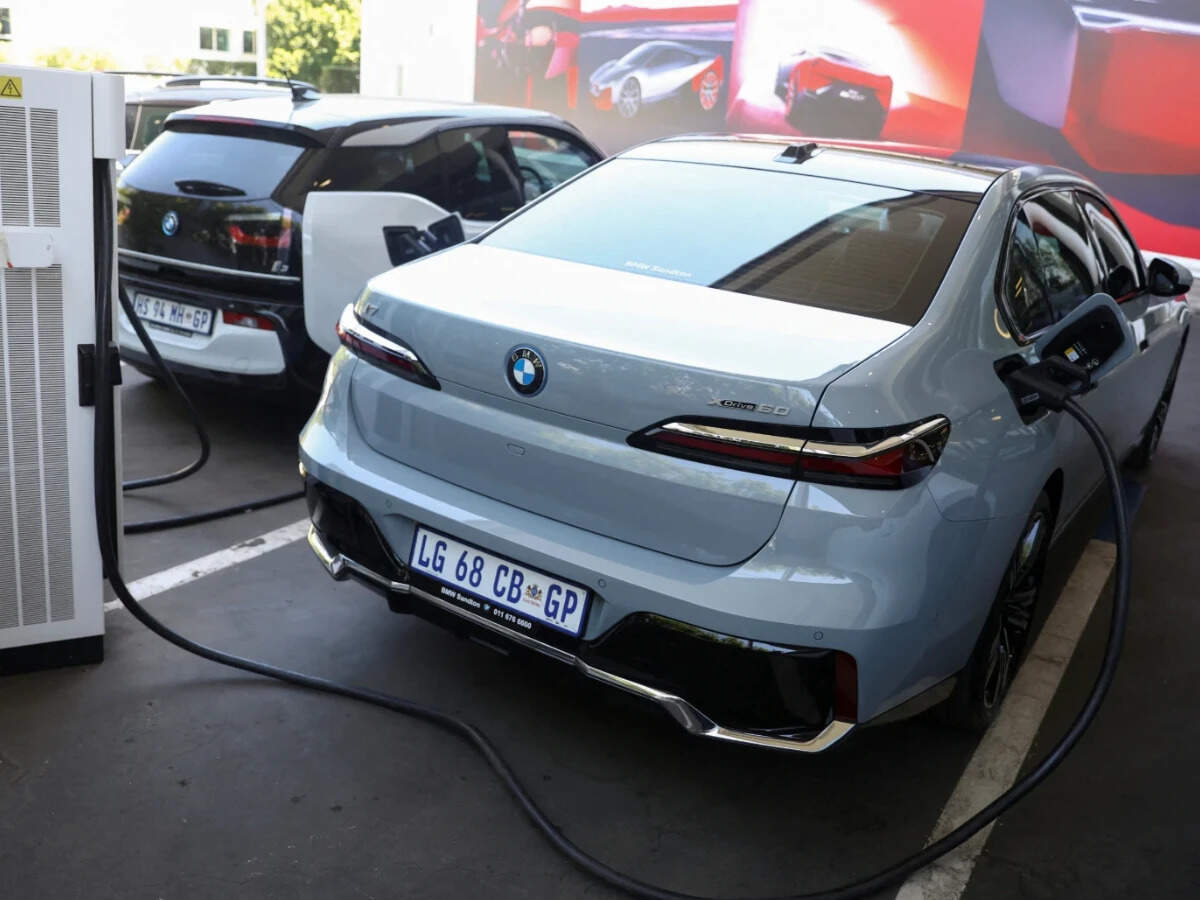
US car shoppers have been slow to warm back up to electric vehicles since a key federal subsidy expired a year ago, despite persistently high gas prices, while Europeans have flocked to the cars.
EV sales in the US are down 30.7 per cent this year through September, according to research firm Motor Intelligence, accounting for just 6 per cent of overall sales. That’s less than the 8.5 per cent at this time a year ago, when buyers rushed to beat the expiration of a $7,500 federal tax credit.
In Europe, however, buyers have flocked to electrics for relief from higher fuel prices stemming from the war in Iran. EVs accounted for 23.2 per cent of the European auto market this year through September, up from 17.7 per cent a year earlier, according to the European Automobile Manufacturers’ Association.
The divergence in the two markets is due in part to key policy differences between the two regions. In Europe, automakers continue to roll out electric models to meet stringent tailpipe-emissions regulations, and Chinese automakers have stormed the European market with a slew of imported EVs.
In the US, the Trump administration worked with Congress to eliminate support for EVs, and watered down fuel-efficiency regulations. High tariffs and a ban on Chinese-made vehicle software have effectively blocked Chinese car brands.
Meanwhile, there were more than 150 EVs on sale in Europe during the first half of 2026, up from about 100 models in 2024, according to Transport & Environment, a Brussels-based environmental advocacy group. Many are priced below 25,000 euros ($27,995), and many countries offer tax breaks to lower consumers’ out-of-pocket costs.
US buyers go for hybrids, used EVs
Since the expiration of the $7,500 federal tax credit a year ago, many US automakers have discontinued electric models or scrapped plans for new entries. Some have ended cheap leases that helped fuel demand.
Buyers instead are seeking hybrids and used EVs, car dealers and analysts say. Hybrid sales jumped 23 per cent through the first three quarters from the year-earlier period, accounting for 15.6 per cent of total sales over that stretch.
“There’s still demand out there [for EVs], but the energy and the masses are definitely running to hybrid technology,” said Thad Szott, a Detroit-area dealer with Ford, Stellantis and Toyota.
Some automakers are adding hybrids to their showrooms. Nissan, for example, moved up the launch of a new hybrid system on its popular Rogue SUV by several months.
Hybrids are “a safer choice” for consumers worried about driving range, said Tiago Castro, Nissan’s senior vice president of US marketing and sales. “When we had the government incentive” for EVs, he said, “it was a different story.”
The market for used EVs is bustling, though, a sign that less affluent buyers are seeking relief from high fuel prices. Sales of used electric cars rose 19 per cent through September from the year-earlier period, according to research site CarGurus.
Tesla, Rivian EVs fare better than legacy carmakers
EV-only brands have fared better than traditional automakers’ EV sales. Tesla’s US sales fell only 14 per cent in the first three quarters, a milder decline than the broader electric vehicle market, according to an estimate from Motor Intelligence. Rivian’s US sales rose 29 per cent, helped by the release of a new SUV, the R2.
By contrast, Ford’s EV sales are down 68 per cent this year through September, while crosstown rival General Motors saw a 43 per cent drop in EV sales.
Honda has opted to end EV production after this year, while planning to expand hybrid sales. “Once they scaled back the $7,500, it became obvious” that EV market share would decline, said Lance Woelfer, vice president of US auto sales at Honda.
However, South Korean automaker Hyundai has seen some recovery in EV sales since gas prices began rising in late winter, and dealers are asking for them, said Randy Parker, CEO of Hyundai Motor North America.
“We’re not giving up on EVs by any stretch of the imagination,” Parker said.
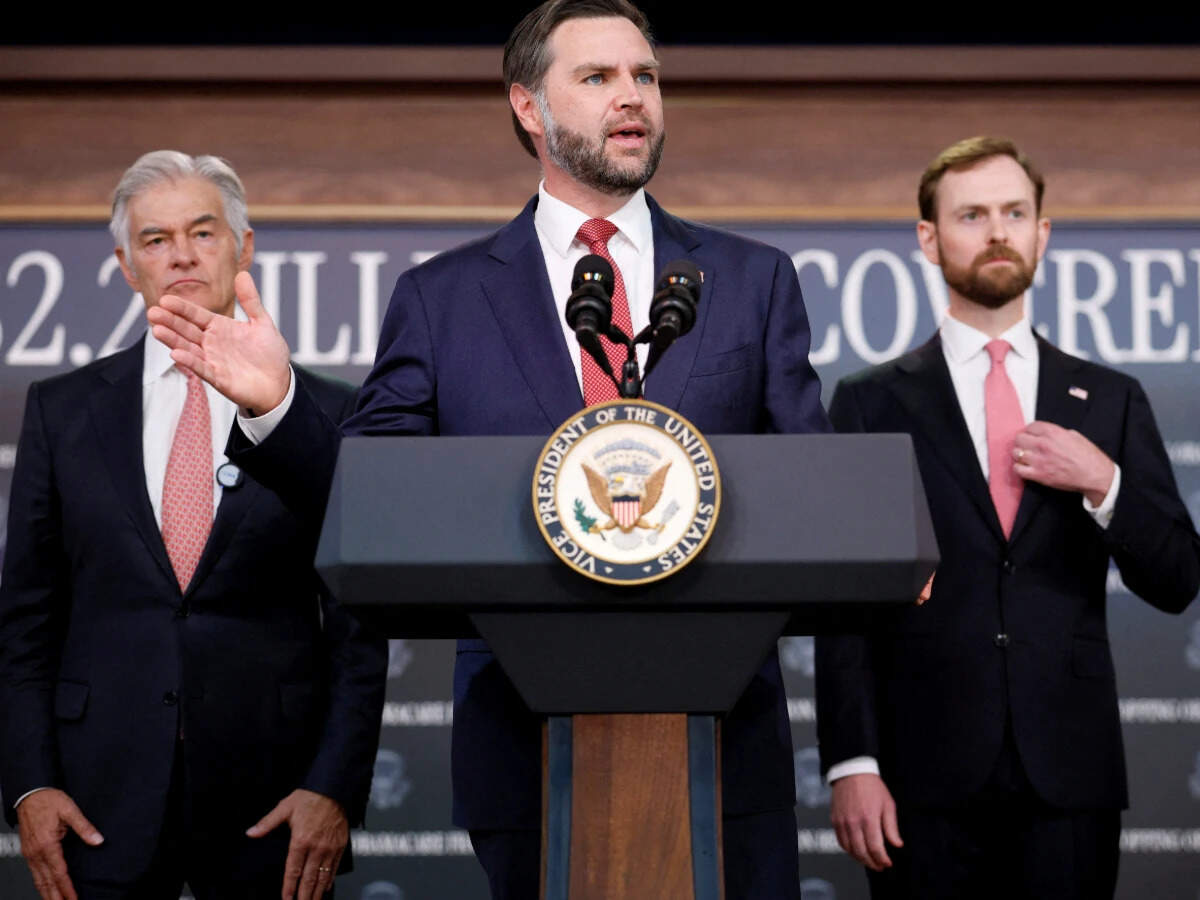
US Vice President JD Vance has said Iran must reduce its uranium enrichment capacity to meet US demands.
US Vice President JD Vance told Reuters on Monday that Iran must make a “meaningful” reduction in its uranium enrichment capacity to satisfy US demands and end the country’s seven-month war.
The Trump administration has sought to force Iran to denuclearise in slow-moving negotiations to end the conflict. Below is a summary of what is known, and not, about the current status of Iran’s uranium enrichment programme, which is at the heart of its nuclear infrastructure.
What did Iran have before the US and Israel bombed?
Israel launched airstrikes on Iran’s nuclear facilities on June 13 of last year, soon followed by the United States. In a 12-day campaign, they destroyed or badly damaged the three uranium-enrichment facilities that were known to be operating in Iran at the time.
They argued that Iran was getting too close to being able to produce a nuclear weapon, but the UN nuclear watchdog, the International Atomic Energy Agency, said it had no credible indication of a coordinated weapons programme.
Iran was, however, enriching uranium to up to 60 per cent purity, a short step from the roughly 90 per cent of weapons grade.
The IAEA, which had access to all Iran’s declared nuclear sites, including its enrichment plants, until the US-Israeli bombing campaign, estimates Iran had 440.9 kg of uranium enriched to up to 60 per cent when the first bombs fell.
That is enough, if enriched further, for 10 nuclear weapons, according to an IAEA yardstick. Iran also had stocks of uranium enriched to lower levels.
No other country has enriched uranium to such a high level without producing nuclear weapons. The US and its European allies say there is no civil justification. The IAEA said the enrichment level and quantity produced were of serious concern.
Iran has long held that it does not want and is not seeking to develop nuclear weapons.
What remains?
Iran has not told the IAEA how much of its enriched uranium survived the attacks or informed it of its whereabouts. It has also not let IAEA inspectors return to the bombed sites since they were attacked.
Of the three enrichment plants, the only above-ground one, at the sprawling Natanz nuclear facility, was destroyed, the IAEA has said. The other two, at Natanz and Fordow, were at least badly damaged and are widely believed to be out of action.
The day before Israel attacked, Iran informed the IAEA it was opening a new enrichment plant at Isfahan, which diplomats say is in a network of tunnels there that appears largely unscathed by US bombing. The IAEA says it does not know the status of that plant or whether it contains nuclear material.
While some of Iran’s enriched uranium will have been destroyed in the US-Israeli strikes, IAEA chief Rafael Grossi said in March his agency believes “a bit more than 200 kg” of Iran’s uranium enriched to up to 60% remains in the tunnel complex at Isfahan, with some also still at Natanz.
Where does that leave Iran’s enrichment capacity?
Not even Iran’s arch-foe Israel alleges Iran is currently enriching uranium. How long it would need to restart is an open question, but as long as a significant portion of its 60% stock remains, it could in principle enrich to weapons grade with relatively little effort and few machines known as centrifuges.
A 2015 deal between Iran and major powers gave the IAEA extra inspection powers, including oversight of the number of centrifuges and parts for them.
US President Donald Trump’s withdrawal from that deal in 2018 prompted its collapse and the IAEA lost track of those machines. Their current number and whereabouts are unknown.
What did Vance say about Iranian enrichment?
In an interview with Reuters, Vance questioned why Iran had 60 per cent enriched uranium if it claims to not desire nuclear weapons. And he positioned meaningful reductions in “enrichment capacity” as a prerequisite to satisfying US demands and ending the war.
“Sixty per cent enriched uranium, you know, I’m hardly a nuclear scientist, but I’ve learned this: you don’t need that for any energy production. You don’t need it for anything except to have threshold weapons-grade uranium,” Vance said.
“I think if they want to show a commitment to not building a nuclear weapon, they would do something meaningful on their enrichment capacity. So far, we haven’t seen a long-term commitment to do that.”
Then how can Iran reduce its capacity?
Given that Iran is not currently known to be enriching, any reduction is likely to be compared to its previous capacity, which was significant. A reduction could refer to purity, output or the number of enrichment sites.
NTPC is exploring sites in Madhya Pradesh, Bihar and Odisha as part of its planned nuclear power expansion.
Public sector NTPC has identified three locations, one each in Madhya Pradesh, Bihar and Odisha, to set up nuclear power plants as it aims to add 30GW of nuclear capacity across 14 states by 2047.
The company has submitted detailed feasibility reports for each site to the Atomic Energy Commission for approval. NTPC is also exploring technology collaborations with global players such as Holtec International and Westinghouse of the US, Rosatom of Russia and EDF of France for pressurised water reactor projects to be deployed at these locations, said an official aware of the development.
With an installed power generation capacity of 89GW, including thermal, hydro and renewable capacity, the company is targeting 149GW by 2032 and 244GW by 2037, besides adding significant battery and pumped storage capacity. It has set up NTPC Parmanu Urja Nigam Ltd as its wholly owned nuclear subsidiary to foray into nuclear power. Its first nuclear project in Rajasthan’s Mahi Banswara, comprising four 700-MW units, however, is being developed through Anushakti Vidhyut Nigam Ltd, a joint venture with Nuclear Power Corporation of India.
The three identified locations, if approved, will have 2-4GW of nuclear capacity each, the official said. NTPC entered into non-disclosure agreements with Rosatom and EDF earlier this year to explore technology collaboration for deploying large pressurised water reactor projects in India.
“Technology transfer and localisation will be key factors in finalising the technology. There will be a separate joint venture with a global player for technology and design engineering,” said the official.
Fuel availability will also be an important consideration in finalising the technology, the official said, adding that fuel sourcing falls within the domain of the Centre.
Join the community of 2M+ industry professionals.
Subscribe to Newsletter to get latest insights & analysis in your inbox.
All about ETEnergyworld industry right on your smartphone!
PFC Consulting coordinated the bidding process for the SPV, Satara Power Transmission, established to develop the ‘Transmission System for Network Expansion Scheme in Western Region to cater to pumped storage potential near Satara (up to 4500 MW) – Part A’, an exchange filing said.
According to the filing, PFC Consulting received a consideration of ₹19,01,24,505, as per the Share Purchase Agreement.
This acquisition is completed and is proposed to further Adani Energy Solutions Ltd’s (AESL) strategy for enhancing value for its shareholders through organic as well as inorganic opportunities, AESL informed the stock exchanges.
The Satara Power Transmission Ltd (SPTL) has been planned to facilitate an additional 765 kV inter-regional corridor between SR and WR Grids (Narendra – Kolhapur – Satara – Pune III / Pune (East) 765 kV corridor) and will enable further additional evacuation of RE power in Karnataka towards load centres and PSP projects in Satara, Pune, MMR areas of Maharashtra.
The SPTL was incorporated and registered with the Registrar of Companies, New Delhi, on July 10, 2026.
The authorised share capital as well as paid-up share capital is ₹1 lakh only. The equity shares were acquired at the face value of ₹10 each, AESL said in the filing.