
Author: admin

  • MP & former FS Harsh Vardhan Shringla emphasises India's need for Russian oil during talks with Australian prime minister on energy security

    MP & former FS Harsh Vardhan Shringla emphasises India's need for Russian oil during talks with Australian prime minister on energy security

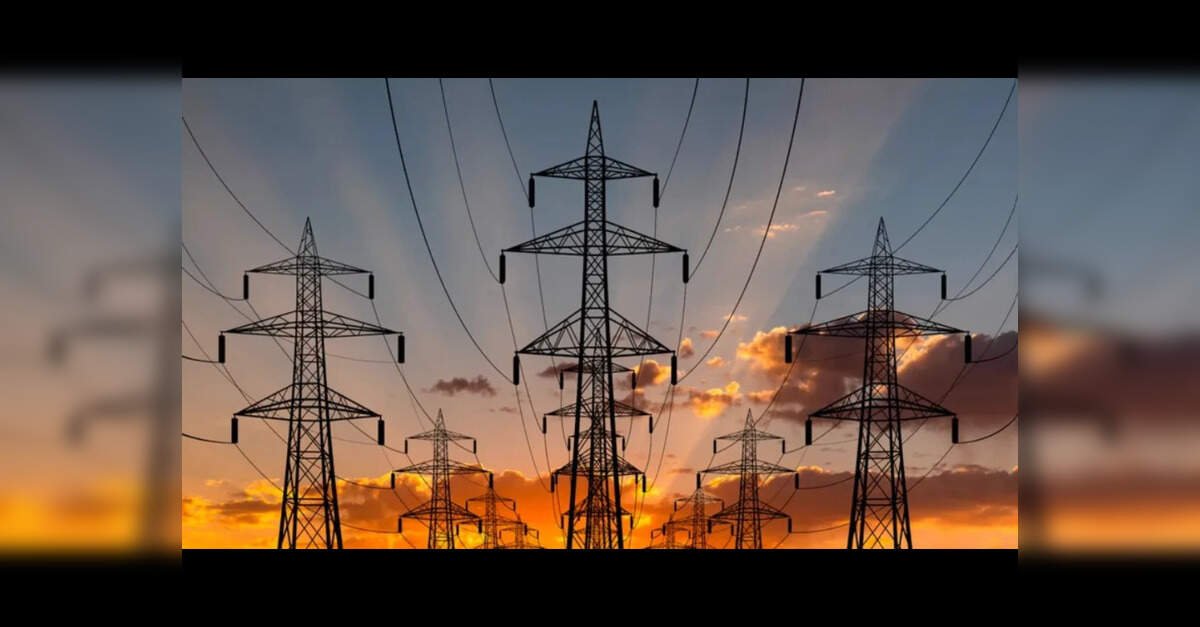
    A representative picture.
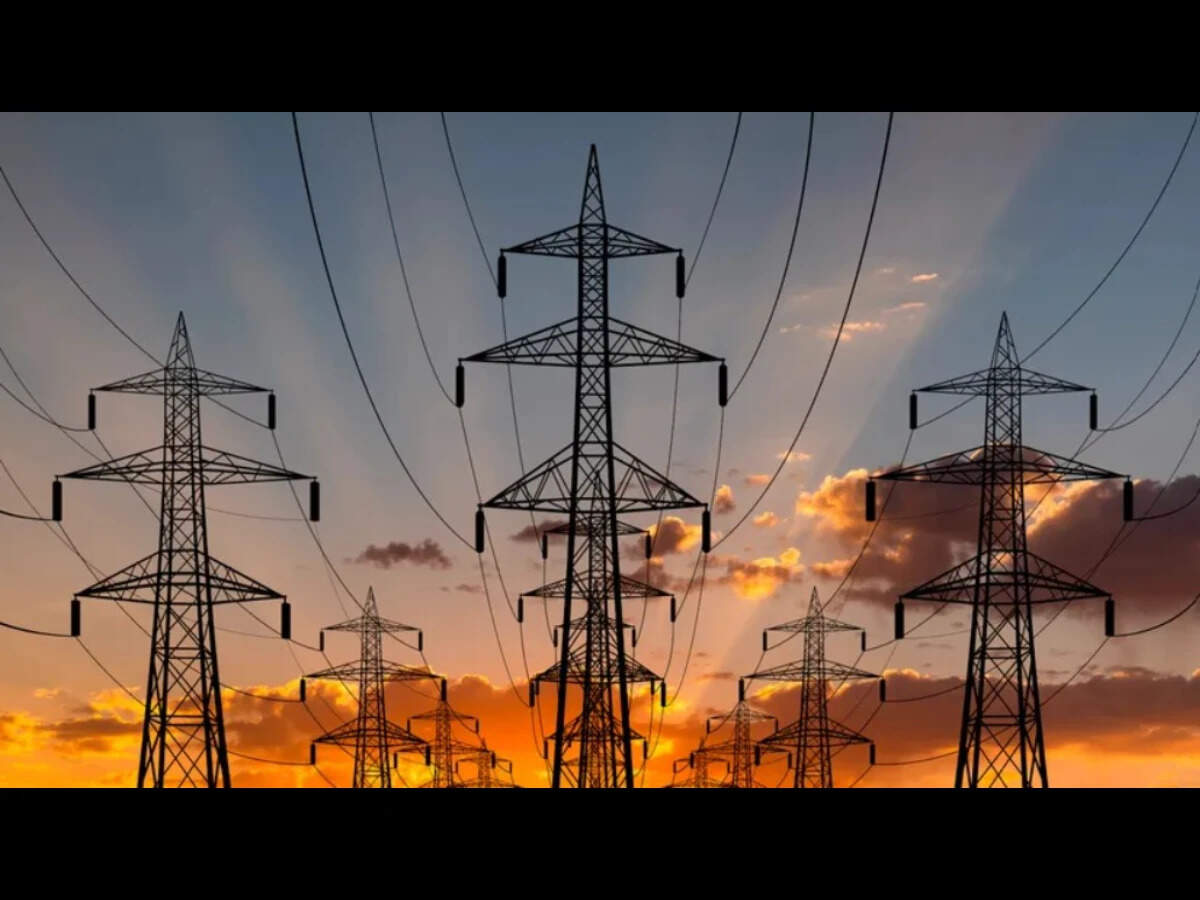
    A representative picture.

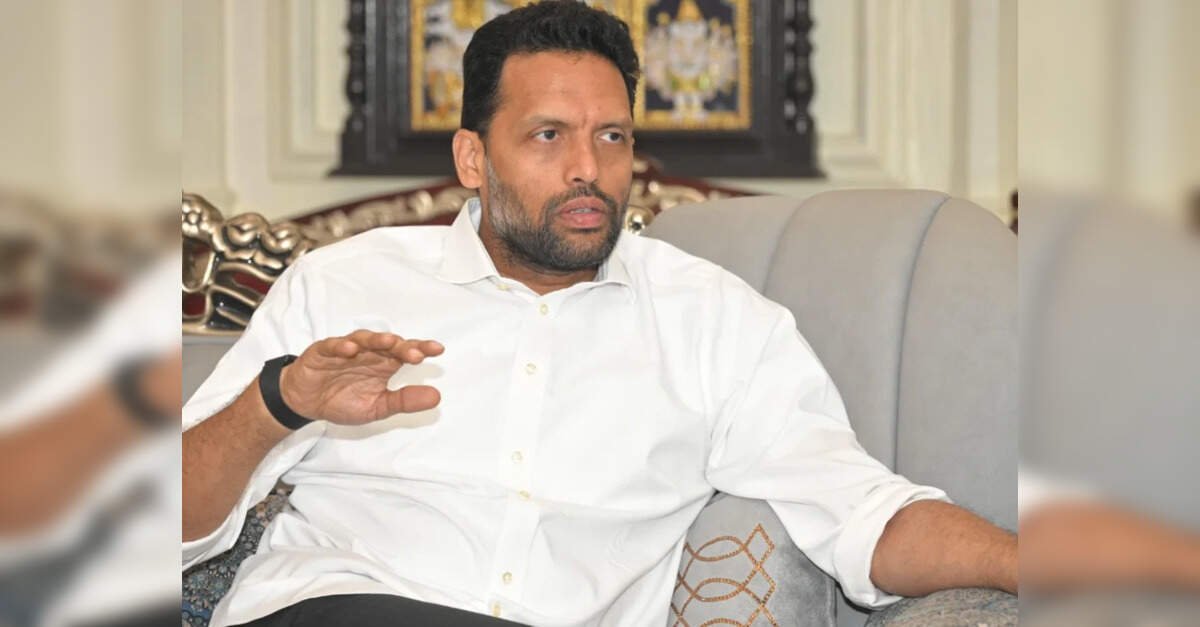
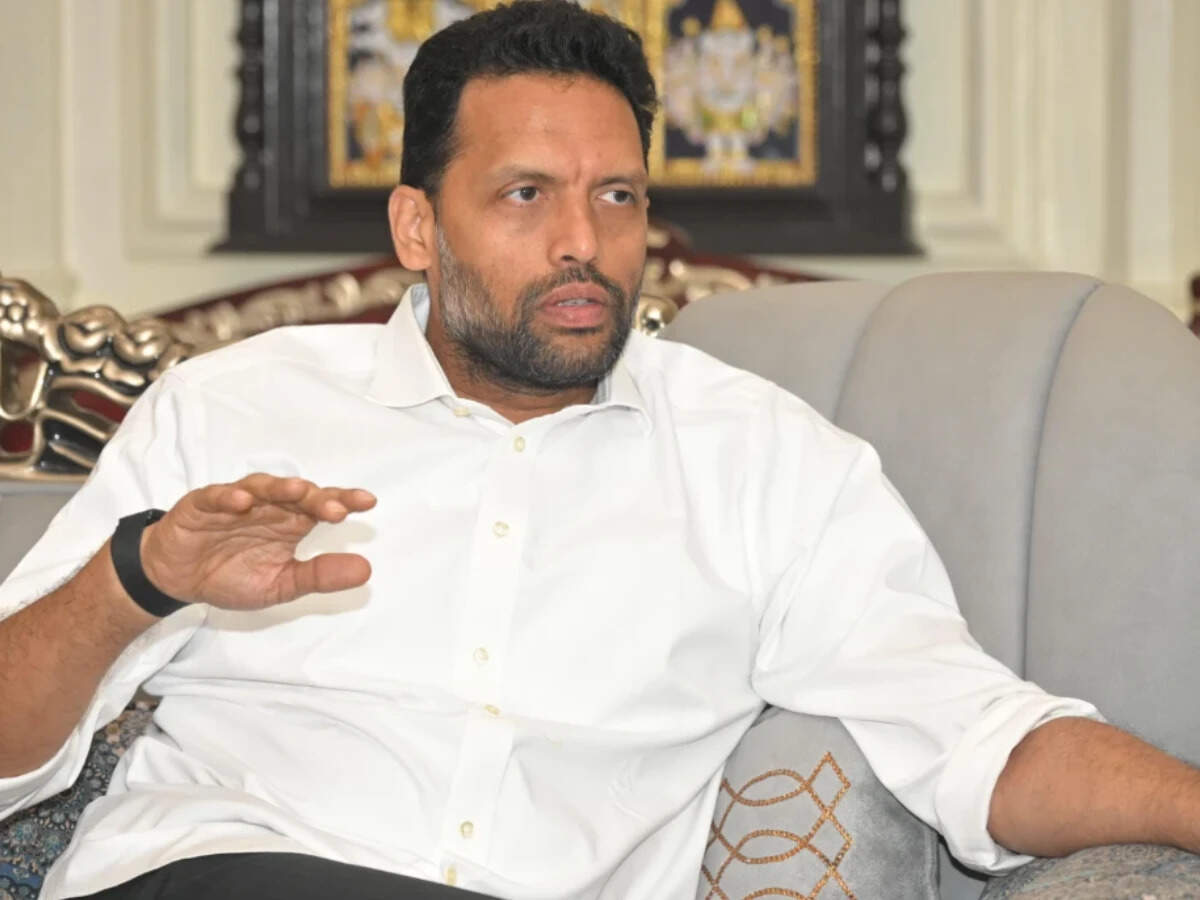
    New Delhi: Rajya Sabha MP and member of the parliamentary committee on external affairs Harsh Vardhan Shringla has highlighted the significance of Russian oil supplies in the interests of India’s 1.4 billion people and to keep global energy prices under control.

    Speaking alongside former Australian prime minister Kevin Rudd at a conversation at the Asia Policy Society Institute this week, former foreign secretary Shringla referred to the various US sanctions India had faced over its energy imports.

    Responding to a question from Rudd on the status of India-US trade talks, Shringla said they appeared to have reached an impasse, with US trade representative Jamieson Greer saying a conclusion was not imminent and finance minister Nirmala Sitharaman observing that the talks had hit a plateau.

    Shringla said the issue appeared to be uncertainty over the actual tariffs India would face.

    Referring to Rudd’s comment about a Damocles’ sword, Shringla said several such swords were hanging over India, including at least two ongoing Section 301 investigations—into forced labour and overcapacity—and the threat of 100 per cent duties under the Russian oil sanctions Act.

    “So you could conclude a trade deal and then end up having to pay much higher duties through ongoing and future coercive actions,” Shringla said, recalling that he had told a US envoy, when he was foreign secretary, that India was familiar with US sanctions, all of which had come at considerable cost.

    He referred to the withdrawal, during Trump’s first term, of the US exemption that allowed India to import Iranian oil, the sanctions on Venezuelan oil in 2019, and pressure on India to stop buying Russian oil following the outbreak of the Ukraine conflict.

    India had to keep the energy security of its 1.4 billion people in mind and make decisions accordingly, Shringla said. Moreover, if India, one of the world’s largest energy importers, stopped buying Russian oil, it would affect global oil prices, he added.

    Shringla’s remarks assume significance against the backdrop of the US president’s sudden announcement of a purchase of Russian diesel following a phone call with Russian President Vladimir Putin.

    Asked about India-China relations, Shringla pointed to Chinese President Xi Jinping’s recent visit to India for the Brics summit, the first by a Chinese leader in seven years.

    “It took several rounds of deliberations at the military level alongside special representatives’ dialogues, culminating in a satisfactory resolution in October 2024, translating shared intent into concrete progress through the systematic disengagement of forces across friction areas in eastern Ladakh. Leadership-level engagement reinforced this track.”

    On the normalisation of relations between India and China, Shringla emphasised that the process rested on durable peace and tranquillity in the border areas, which remained the foundation.

    The second element, he said, was deeper and more balanced economic integration. He stressed that a relationship of this scale could be sustained only if the trade imbalance narrowed through greater market access for goods and services and a more reciprocal investment climate.

    Join the community of 2M+ industry professionals.

    Subscribe to Newsletter to get latest insights & analysis in your inbox.

    All about ETEnergyworld industry right on your smartphone!

  • Reserve Bank of India opens special dollar window for state-run oil marketing companies

    Reserve Bank of India opens special dollar window for state-run oil marketing companies

    • Published On Oct 11, 2026 at 10:11 AM IST
    A representative picture
    A representative picture

    The Reserve Bank of India (RBI) opens a designated foreign exchange window to fulfill the complete daily dollar requirements of state-run oil refiners, according to an official statement issued by the central bank.

    The intervention applies specifically to three public sector oil marketing companies: Indian Oil Corporation Limited, Bharat Petroleum Corporation Limited, and Hindustan Petroleum Corporation Limited.

    “On the basis of assessment of current market conditions, Reserve Bank of India has decided to open a special window to meet the entire daily dollar requirements of three public sector oil marketing companies (OMCs),” the central bank stated in its document.

    The facility will begin operations from October 12, 2026, which falls on a Monday, and will continue to operate until further notice, the central bank confirmed.

    Under the operational framework, the central bank will conduct sales of US dollars to these state refiners via designated banks rather than direct open-market bidding by the fuel retailers.

    “Under the facility, the Reserve Bank will undertake sale of USD to the public sector OMCs through designated bank/s,” the RBI stated.

    The decision follows the central bank’s internal review and evaluation of prevailing conditions in the currency and financial markets.

    “The facility will come in effect from October 12, 2026 (Monday) and will remain in place until further notice,” the Reserve Bank added in the statement.

    The designated mechanism covers all foreign exchange requirements needed on a daily basis by Indian Oil Corporation Limited, Hindustan Petroleum Corporation Limited, and Bharat Petroleum Corporation Limited. The institutional arrangement channels their foreign currency demand entirely through authorized dealer banks designated for the transactions.

    • Published On Oct 11, 2026 at 10:11 AM IST

    Join the community of 2M+ industry professionals.

    Subscribe to Newsletter to get latest insights & analysis in your inbox.

    All about ETEnergyworld industry right on your smartphone!

  • KEC International bags ₹1,014 crore orders for power transmission

    KEC International bags ₹1,014 crore orders for power transmission

    The order expands the company’s work in power transmission infrastructure linked to renewable energy. 
    The order expands the company’s work in power transmission infrastructure linked to renewable energy. 

    KEC International on Saturday said it has secured orders worth ₹1,014 crore in its India transmission and distribution business, including its first 765 kV transmission line project for power evacuation from a pumped storage plant in western India.

    According to the regulatory filing, the latest orders take the company’s year-to-date order intake to more than ₹9,600 crore.

    The 765 kV transmission line project marks the company’s first order in this category and is aimed at evacuating power from a pumped storage plant.

    Vimal Kejriwal, managing director and chief executive officer of KEC International, said the order was secured from an existing client and would support growing power infrastructure requirements in the renewables segment.

    The order expands the company’s work in power transmission infrastructure linked to renewable energy.

    KEC International is a global infrastructure engineering, procurement and construction company with a transmission and distribution business.

    Join the community of 2M+ industry professionals.

    Subscribe to Newsletter to get latest insights & analysis in your inbox.

    All about ETEnergyworld industry right on your smartphone!

  • Adani Green’s operational capacity rises 24% to 20,763 MW in H1 FY27

    Adani Green’s operational capacity rises 24% to 20,763 MW in H1 FY27

    ETEnergyWorld Desk

    The company said its operational portfolio powered more than 4.4 million homes and helped avoid 17.5 million tonnes of carbon dioxide equivalent emissions during the six-month period ended September 30, 2026.
    The company said its operational portfolio powered more than 4.4 million homes and helped avoid 17.5 million tonnes of carbon dioxide equivalent emissions during the six-month period ended September 30, 2026.

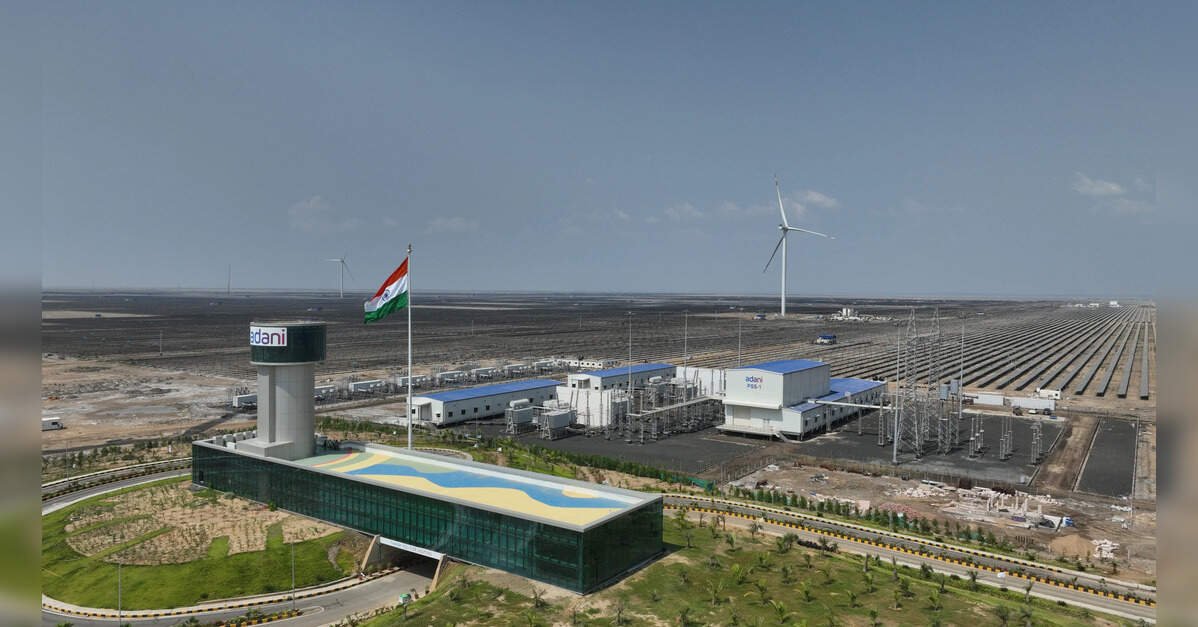
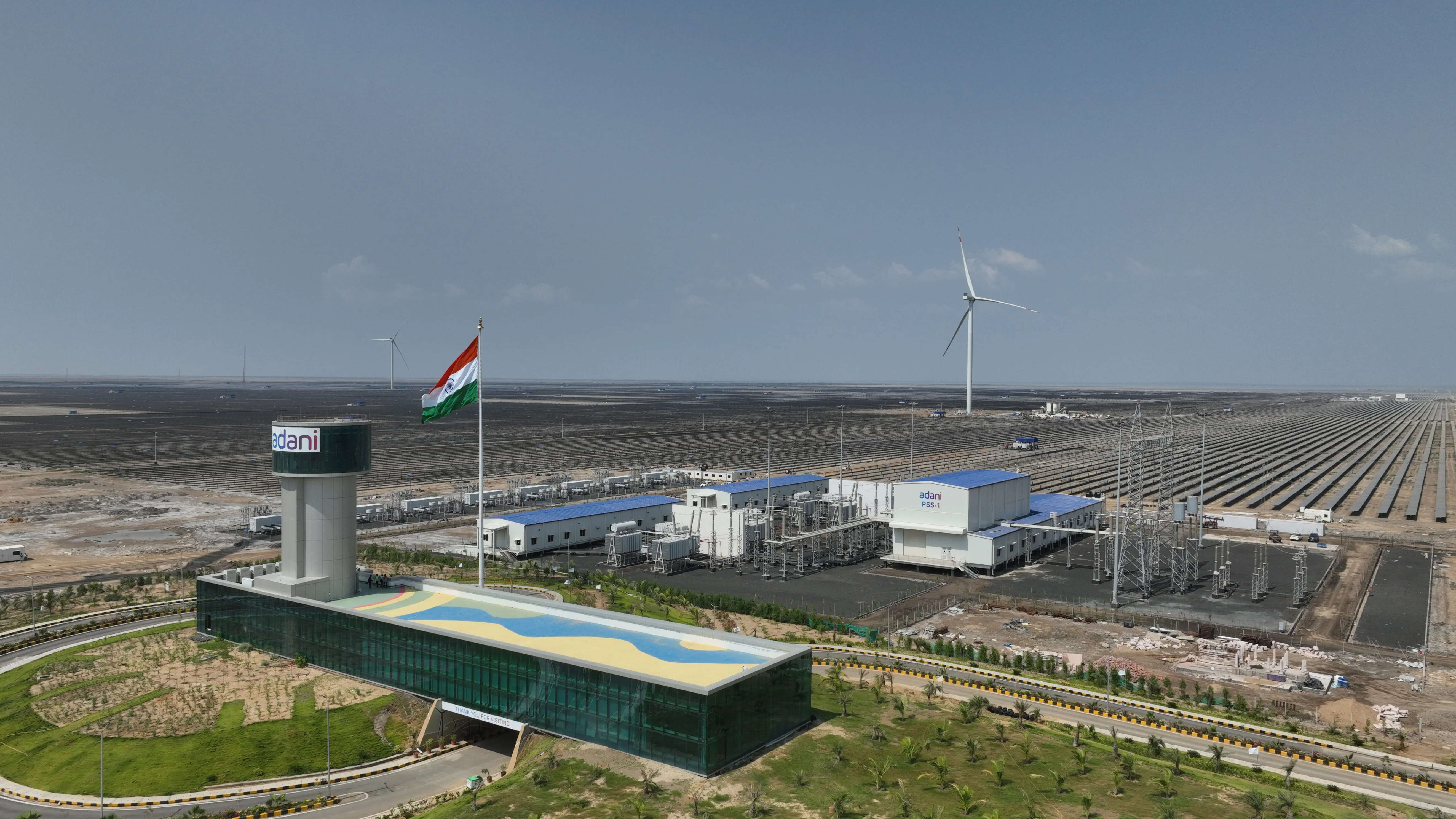
    Adani Green Energy’s operational renewable energy capacity increased 24 per cent year-on-year to 20,763 MW in the first half of FY27, while energy sales rose 32 per cent to 25,747 million units, according to the company’s provisional operational update filed on stock exchanges on Saturday.

    It said that the company added 4,083 MW of greenfield capacity during April-September, including 621 MW in the second quarter of FY27.

    During the July-September quarter, Adani Green operationalised 3,081 MWh of battery energy storage system (BESS) capacity at Khavda in Gujarat, taking its total installed BESS capacity to 6,632 MWh as of September 30, 2026.

    The company’s capacity utilisation factor stood at 22.9 per cent for its solar portfolio, 42.9 per cent for wind and 45.2 per cent for hybrid projects during the first half of FY27. Plant availability was 99.3 per cent for solar, 94.6 per cent for wind and 98.8 per cent for hybrid projects.

    The company said its operational portfolio powered more than 4.4 million homes and helped avoid 17.5 million tonnes of carbon dioxide equivalent emissions during the six-month period ended September 30, 2026.

    Join the community of 2M+ industry professionals.

    Subscribe to Newsletter to get latest insights & analysis in your inbox.

    All about ETEnergyworld industry right on your smartphone!

  • Transmission delays, not excess capacity, driving renewable power curtailment, says MNRE secretary

    Transmission delays, not excess capacity, driving renewable power curtailment, says MNRE secretary

    Atul Mathur

    Renewable energy secretary Santosh Kumar Sarangi says faster transmission expansion and battery storage are key to reducing power curtailment.
    Renewable energy secretary Santosh Kumar Sarangi says faster transmission expansion and battery storage are key to reducing power curtailment.

    New Delhi: Rejecting concerns that India was adding renewable energy capacity beyond what the power system can absorb, new and renewable energy secretary Santosh Kumar Sarangi said delays in transmission infrastructure were primarily responsible for curtailment of renewable power.

    Talking to TOI, Sarangi said renewable capacity is generally developed against identified demand – through power purchase agreements, contracts with commercial and industrial consumers, or distributed renewable energy schemes such as PM-KUSUM and PM Surya Ghar. Curtailment has largely resulted from delays in transmission lines needed to evacuate renewable power. In some cases, projects are using temporary general network access, but the additional transmission capacity available under such arrangements cannot be assured round the clock.

    “So, from that point of view, you can’t claim that we have more RE capacity than is needed,” Sarangi said. “The solution is to expedite the transmission lines and complete them, and the second is to use more and more battery energy storage.”

    Curtailment of renewable energy – the intentional reduction or restriction of electricity output from sources such as wind or solar when generation exceeds the grid’s transmission capacity or local demand – has emerged as a major challenge for developers as well as the govt. In the first quarter of the ongoing financial year, nearly 8,133 gigawatt-hours of solar power was curtailed, which is estimated to be equivalent to 1.5 days of the country’s total electricity consumption.

    Sarangi said battery storage could also help improve utilisation of transmission infrastructure in renewable energy-rich regions. Solar-heavy transmission lines are typically used for only six to eight hours during the day. If sufficient battery storage is available, the same transmission network can be used to evacuate stored power during night hours.

    This could increase transmission capacity utilisation and allow more renewable energy to be connected to the same substations. Sarangi said the ability to expand and utilise renewable energy along with battery energy storage has much greater potential, with transmission utilisation potentially increasing almost two-fold in some solar-dominated areas.

    According to a Rubix Data Sciences report, India needs over 236 GWh of battery energy storage systems by FY 2031-32 to enable seamless integration of the increasing share of renewable energy into the grid. The cumulative installed BESS capacity currently stands at about 13.5 GWh, with over 150 GWh in the pipeline.

    Sarangi said both co-located and standalone BESS projects would be required. While co-located storage would be preferable for renewable energy projects as it would improve utilisation of transmission lines, standalone systems would be useful for managing surplus power and peak demand.

    On nearly 45GW of renewable energy projects that have received connectivity but are unable to sign power purchase agreements, Sarangi said a proposed amendment by the Central Electricity Regulatory Commission could provide an exit route for developers, allowing them to surrender connectivity without losing the bank guarantee furnished for it.

    Join the community of 2M+ industry professionals.

    Subscribe to Newsletter to get latest insights & analysis in your inbox.

    All about ETEnergyworld industry right on your smartphone!

  • PM Modi to launch ₹13,000 crore projects across Tamil Nadu on October 11

    PM Modi to launch ₹13,000 crore projects across Tamil Nadu on October 11

    ET Infra Desk

    According to an official press release by the Prime Minister’s Office, the projects include the Poonamallee-Vadapalani stretch of the second phase of the Chennai Metro Rail Project, built at a cost of around ₹4,900 crore, and national highway works worth around ₹3,700 crore.
    According to an official press release by the Prime Minister’s Office, the projects include the Poonamallee-Vadapalani stretch of the second phase of the Chennai Metro Rail Project, built at a cost of around ₹4,900 crore, and national highway works worth around ₹3,700 crore.

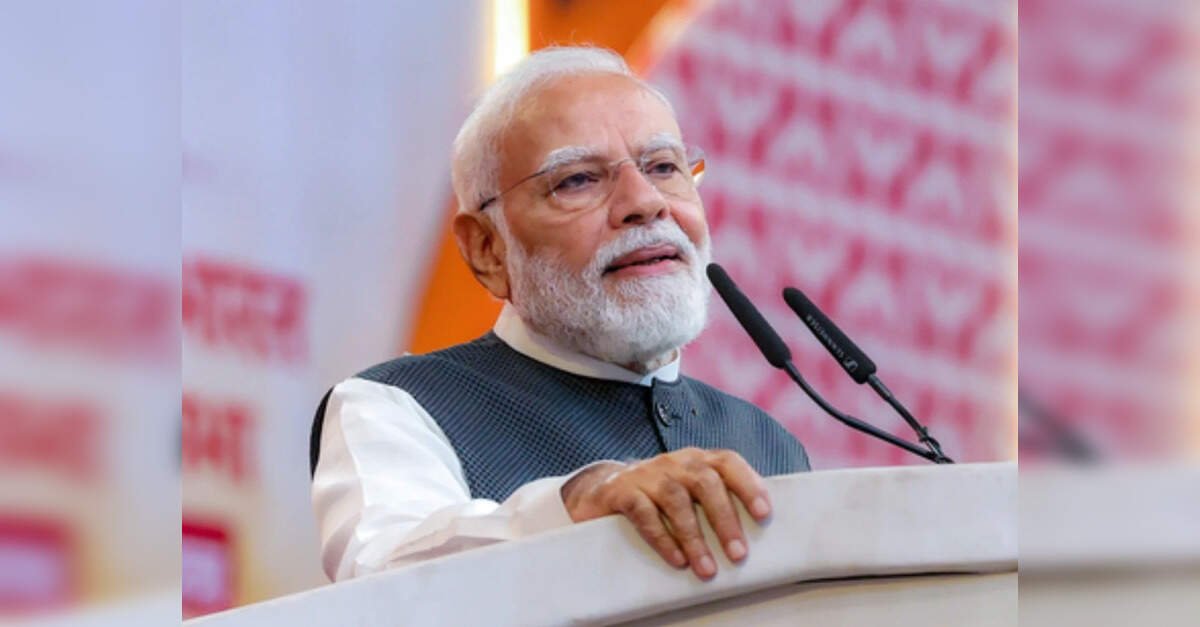
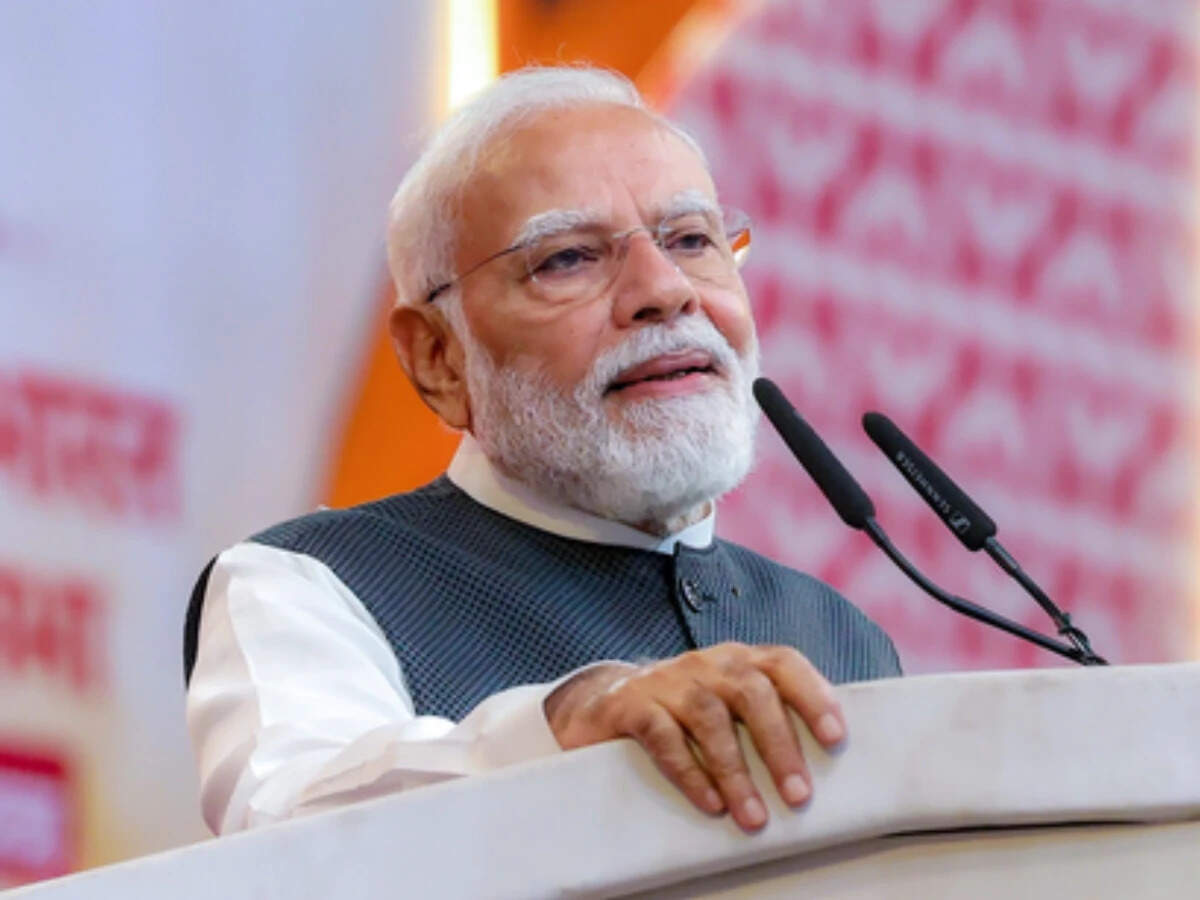
    Prime Minister (PM) Narendra Modi will inaugurate, dedicate and lay the foundation stone for development projects worth over ₹13,000 crore in Tamil Nadu on October 11, 2026, spanning metro rail, highways, railways, ports, petroleum and education.

    According to an official press release by the Prime Minister’s Office, the projects include the Poonamallee-Vadapalani stretch of the second phase of the Chennai Metro Rail Project, built at a cost of around ₹4,900 crore, and national highway works worth around ₹3,700 crore.

    The metro corridor features a 3.7-km double-decker structure and advanced signalling systems designed to support driverless operations. It is expected to improve connectivity between Chennai’s western suburbs and the city centre, while reducing travel time for commuters, added the release.

    Among the highway projects, PM Modi will inaugurate the 36-km, four-laned Vadugapatti-Therkuvenganallur section of NH-744 and a 30-km, four-laned section of Madurai Ring Road on NH-744A. He will also lay the foundation stone for the four-lane Thiruvarur Bypass on NH-83.

    The railway projects worth over ₹750 crore include the Karaikal-Peralam railway line, three rail flyovers in and around Coimbatore, and five redeveloped Amrit stations at Palani, Vellore Cantonment, Ambasamudram, Paramakkudi and Namakkal.

    Port, petroleum projects in focus

    The Prime Minister will also inaugurate four infrastructure projects at Chennai Port, including a paved storage yard, four export-import godowns, an upgraded cruise terminal and a seafarers club.

    At V O Chidambaranar Port, he will inaugurate and lay the foundation stone for eight development projects aimed at expanding cargo and container capacity, supporting cleaner maritime energy and improving logistics.

    At Kamarajar Port, he will inaugurate the Coal Berth-3 project and lay the foundation stone for capital dredging works for container terminal phase-I, stage-II.

    PM Modi will further lay the foundation stone for a ₹1,620-crore Group II/III Lube Oil Base Stocks project at Chennai Petroleum Corporation’s existing Manali refinery.

    With a planned capacity of 270,000 tonnes per annum, the project aims to produce base stocks used in premium-quality lubricants.

    Join the community of 2M+ industry professionals.

    Subscribe to Newsletter to get latest insights & analysis in your inbox.

    All about ETEnergyworld industry right on your smartphone!

  • Andhra Pradesh targets over ₹50,000 crore in investments at Orvakal industrial hub

    Andhra Pradesh targets over ₹50,000 crore in investments at Orvakal industrial hub

    Sandeep Raghavan

    Minister for industries, commerce and food processing TG Bharath announced the massive investment pipeline.
    Minister for industries, commerce and food processing TG Bharath announced the massive investment pipeline.

    In a major industrial surge for Rayalaseema, the Orvakal Industrial Hub in Kurnool district is positioned to capture targeted investments worth over ₹50,000 crore, transforming the historic region into one of South India’s premier manufacturing and logistics powerhouses.

    Minister for industries, commerce and food processing TG Bharath announced the massive investment pipeline, pointing to a new phase of economic expansion fuelled by proactive state policies, rapid single-window clearances, and strategic connectivity projects.

    “Master-planned under the National Industrial Corridor Development Programme (NICDC) along the Hyderabad–Bengaluru Industrial Corridor (HBIC), Orvakal’s base infrastructure cost stands at ₹2,786 crore and the works are heading as per the schedule on a brisk pace”, TG Bharat explained.

    The Agastya Green Energy project stands as a massive anchor investment within the Orvakal Industrial Node, committing an outlay of ₹ 7,800 crore to establish an end-to-end solar manufacturing complex.

    Operating under the Anubhav Agarwal Group (BN Group), the enterprise is setting up 12 GW ingot and 12 GW wafer production capacities integrated with high-efficiency solar cell and module lines.

    Designed to accelerate backward integration and strengthen India’s domestic photovoltaic supply chain under the Make in India vision, this mega-facility is projected to generate over 3,500 direct high-skilled jobs in Kurnool and the Rayalaseema region.

    Similarly, the Grydonn Energy project represents a major high-tech manufacturing addition to the green energy ecosystem at the Orvakal Mega Industrial Hub in Kurnool district.

    With an investment outlay of ₹3,149.5 crore, the state government has allocated 47.65 acres of land along with customised industrial incentives under Government Order (GO) No. 103.

    The project focuses on setting up a 3 GW capacity solar cell and module facility, accelerating backward integration in clean hardware manufacturing.

    The state industries minister also explained that the Andhra Pradesh govt eagerly awaits the establishment of a ₹23,000 crore mega semiconductor manufacturing plant by Indichip Semiconductors in partnership with Japan’s Yitoa Micro Technology once the project perfectly aligns with the central govt’s Semicon 2.0 broader spectrum.

    TG Bharat observed that Reliance Consumer Products Limited (RCPL) has also selected Kurnool for its core South Indian FMCG manufacturing footprint and is in the final stages of grounding its ₹1622 crore Campa beverages plant, besides investing around ₹768 crore for establishing an Integrated food park at the Orvakal industrial hub.

    With over 45,000 direct jobs projected across the NICDC-Orvakal node, the influx of mega-investments into drone city, clean energy, Semiconductor manufacturing, food processing and much more, is actively stemming outward migration and positioning Kurnool alongside Sri City and Visakhapatnam as a flagship industrial anchor in Andhra Pradesh.

    Join the community of 2M+ industry professionals.

    Subscribe to Newsletter to get latest insights & analysis in your inbox.

    All about ETEnergyworld industry right on your smartphone!

  • Gujarat's Modhera expands solar-powered living to green mobility

    Gujarat's Modhera expands solar-powered living to green mobility

    • Published On Oct 10, 2026 at 01:54 PM IST

    Gujarat’s Modhera expands solar-powered living to green mobility
    Gujarat’s Modhera expands solar-powered living to green mobility

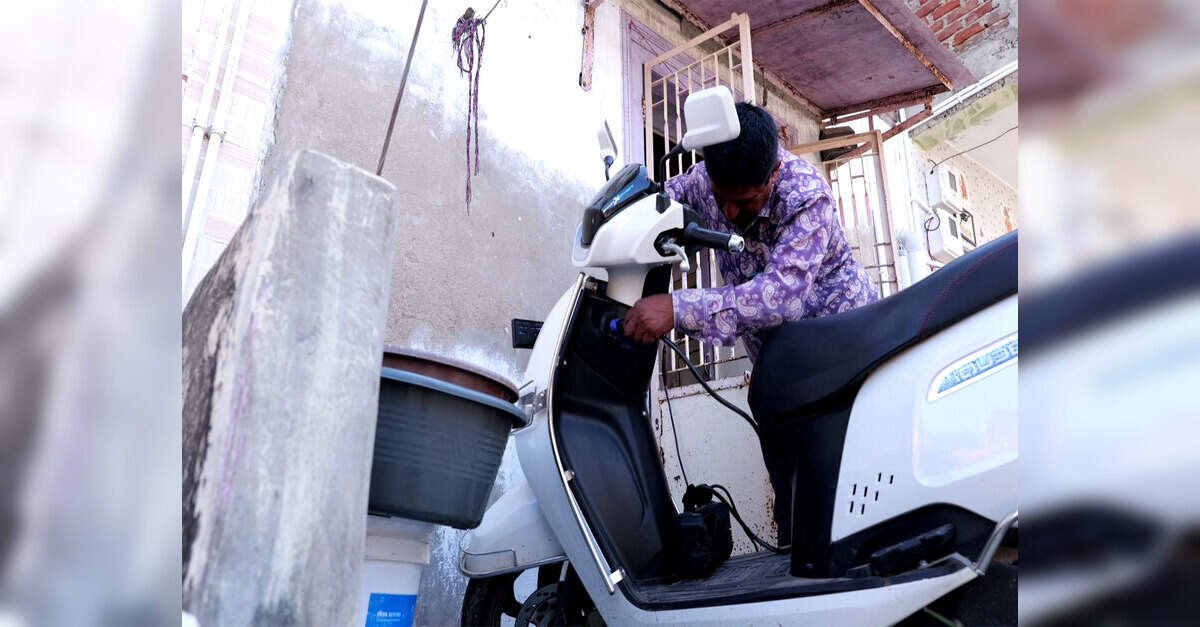
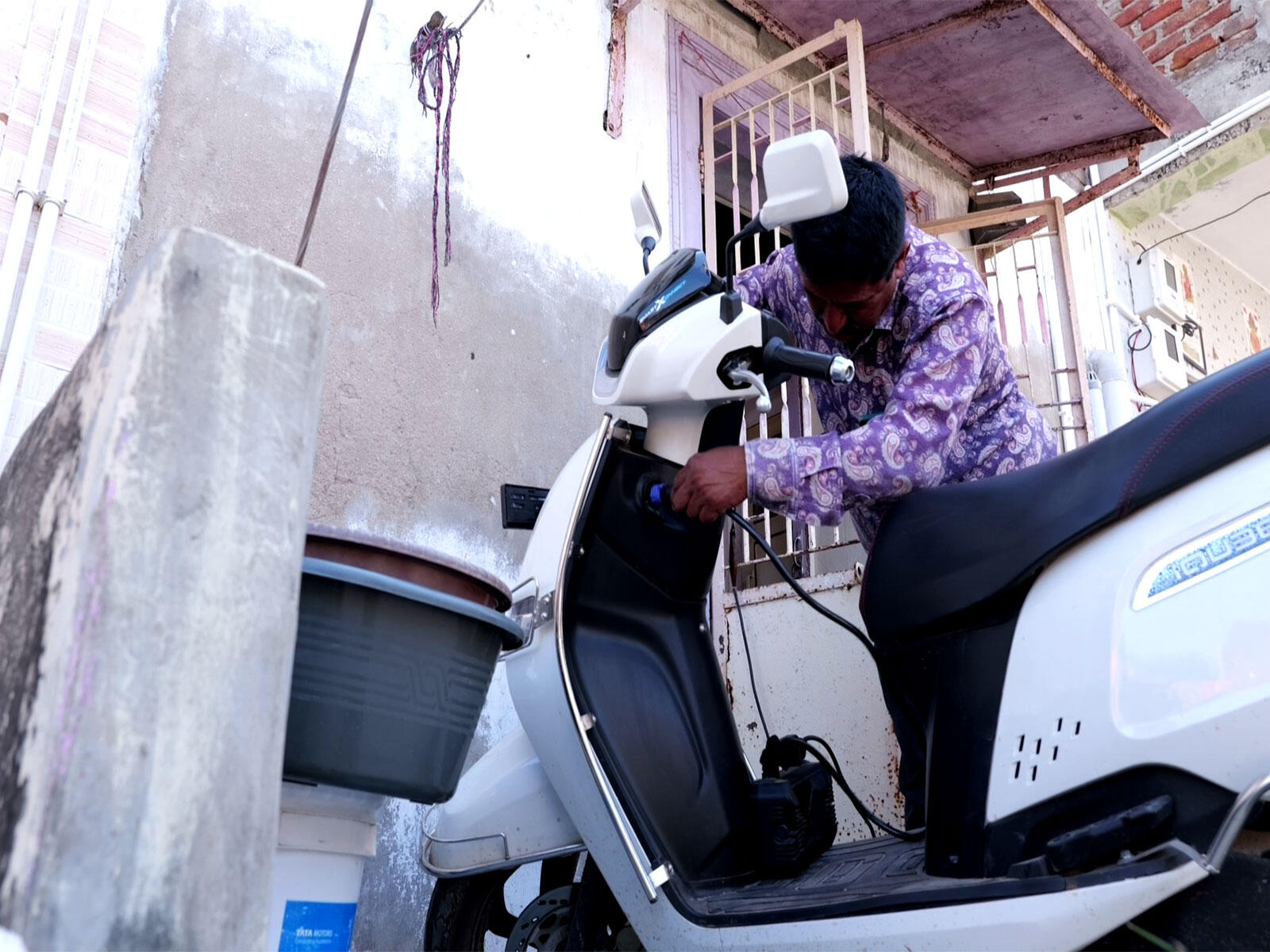
    Modhera, known as India’s first 24×7 solar-powered village, is extending its clean-energy initiative towards green mobility, with residents adopting electric vehicles and solar-powered charging infrastructure supporting the transition.

    Under Solar Village Modhera 2.0, the village is integrating renewable energy with everyday transportation. The broader project includes a 6 MW solar power plant and a 15 MWh Battery Energy Storage System (BESS), supporting the use of clean energy beyond household electricity consumption.

    An electric vehicle charging station has also been established near the Sun Temple, allowing residents to charge their vehicles using solar-generated electricity.

    “An electric vehicle charging station has also been set up near the Solar Temple, with its power supply coming from the solar ground-mounted power plant. People can use it to charge their vehicles, helping them save on petrol and diesel and reduce carbon emissions. This charging station provides an additional benefit to the community,” said Dilip Kumar, Deputy Engineer at Gujarat Urja Vikas Nigam Limited (GUVNL).

    The shift towards electric mobility is also gaining relevance for residents who depend on two-wheelers for daily commuting and small business activities. With electric bikes and scooters becoming part of local travel, residents see an opportunity to reduce their dependence on conventional fuels.

    “This will help us save a significant amount of petrol and diesel. With solarisation, we are able to travel several kilometres and carry out various small businesses and daily activities at a lower cost,” said Bharatbhai Suthar, a resident of Modhera village.

    Solar energy is also contributing to household electricity needs, with residents using it to operate appliances ranging from televisions and refrigerators to air conditioners and washing machines.

    “With the solar system, we are able to run many household appliances such as the refrigerator, TV, AC, household flour mill and washing machine. We benefit greatly from using solar energy for these appliances,” said Khushi Bharatbhai Patel, another resident of the village.

    Modhera’s clean-energy initiative builds on its solar-powered infrastructure by linking electricity generation, battery storage and electric vehicle charging. The approach highlights how renewable energy can support both household needs and local transportation, while helping residents reduce fuel expenses and carbon emissions.

    As the village expands its use of solar energy, the integration of green mobility offers a model for exploring sustainable transportation in rural areas.

    • Published On Oct 10, 2026 at 01:54 PM IST

    Join the community of 2M+ industry professionals.

    Subscribe to Newsletter to get latest insights & analysis in your inbox.

    All about ETEnergyworld industry right on your smartphone!

  • ROSATOM and IIT Bombay launch 'Atomic Hack India 2026' to solve energy grid challenges

    ROSATOM and IIT Bombay launch 'Atomic Hack India 2026' to solve energy grid challenges

    Dipanjan Roy Chaudhury

    ROSATOM subsidiary JSC ETC GET and IIT Bombay have launched Atomic Hack India 2026 to encourage student innovation in nuclear engineering and digital twins.
    ROSATOM subsidiary JSC ETC GET and IIT Bombay have launched Atomic Hack India 2026 to encourage student innovation in nuclear engineering and digital twins.

    JSC ETC GET (a subsidiary of ROSATOM State Corporation), in strategic partnership with the Rosatom Corporate Academy and the IIT Bombay Research Hub for Green Energy and Sustainability (GESH IITB), on Friday announced the launch of Atomic Hack India 2026. This premier national innovation challenge invites undergraduate and master’s engineering students across India to tackle real-world industrial problems in nuclear engineering, digital twins, and critical infrastructure.

    As India accelerates toward its ambitious goal of 100 GW of nuclear capacity by 2047 alongside rapid growth in renewable energy, ensuring the stability and reliability of the national power grid has become a critical engineering priority.

    The hackathon challenges participants to design a Zero-Sequence Directional Overcurrent Protection (ZDOP) scheme for a 220 kV transmission line integrating both nuclear and renewable energy sources.

    To solve this complex industrial case, teams will use REPEAT VISION, a professional 1D-modeling and digital twin creation software platform developed by ETC GET (ROSATOM).

    Atomic Hack India 2026 is more than a competition; it is a direct bridge between academic theory and industrial practice to provide India’s brightest young engineers with the tools, mentorship, and real-world challenges needed to shape the future of the global energy transition.

    The event will unfold in two stages. Following an online qualification phase from October 20 to 28, 2026, up to 25 shortlisted teams will compete in a 48-hour on-site Grand Finale at the IIT Bombay campus in Mumbai from December 4 to 6, 2026.

    Participants will receive comprehensive support, including free access to the REPEAT VISION platform, introductory training webinars, and direct mentorship from ROSATOM engineers and IIT Bombay professors. No prior experience with the software is required.

    The winning teams will be awarded exclusive career-launching opportunities, including a sponsored international research trip to Moscow to visit ROSATOM’s advanced engineering centers, internship opportunities at JSC ETC GET, and official certificates.

    Collaborating on this hackathon allows to foster practical innovation and equip the next generation of energy leaders with cutting-edge digital skills.

    Registration for Atomic Hack India 2026 is now open and will close on October 20, 2026.

    Join the community of 2M+ industry professionals.

    Subscribe to Newsletter to get latest insights & analysis in your inbox.

    All about ETEnergyworld industry right on your smartphone!

  • Asian countries, including India, must accelerate transition to renewable energy

    Asian countries, including India, must accelerate transition to renewable energy

    • Published On Oct 10, 2026 at 12:56 PM IST
    Climate activist Harjeet Singh has called on Asian countries to lead the Global South’s transition to renewable energy and climate action.
    Climate activist Harjeet Singh has called on Asian countries to lead the Global South’s transition to renewable energy and climate action.

    Asian countries, including India, must accelerate a just transition to renewable energy and take the lead in shaping the Global South’s response to the climate crisis, a global climate activist has said.

    The Bangkok Climate Action Week 2026 brings together governments, climate experts, civil society groups and other stakeholders to discuss regional climate action and the transition towards cleaner energy.

    Speaking on the sidelines of Bangkok Climate Action Week on Friday, Harjeet Singh, global convenor of the ‘Fill the Fund’ campaign and founding director of Satat Sampada Climate Foundation, said developed countries must also be held accountable for inadequate climate action and unfulfilled finance commitments.

    “The conversations at Bangkok Climate Action Week make one truth undeniable: the world is suffering deeply under the weight of a fossil-fuel economy,” Singh told PTI.

    “We cannot merely demand action; we must lead by example and forge the blueprint for a resilient and equitable future,” he added.

    An event held as part of the climate week brought together governments, policymakers and advocates from South Asia, Southeast Asia and the Pacific to discuss ways to accelerate a just transition to clean energy.

    Nithi Nesadurai, Director and Regional Coordinator of Climate Action Network Southeast Asia, said both Southeast and South Asia have examples of transitioning towards renewable energy, but greater regional coordination is needed to share experiences and good practices.

    The discussions, part of Asia-Pacific engagement ahead of the UN Climate Change Conference (COP31) in November, also focused on developing a just energy transition roadmap and strengthening regional cooperation.

    The first international conference on transitioning away from fossil fuels was held in Santa Marta, Colombia, in April 2026, while the second is scheduled to take place in Tuvalu in July 2027.

    • Published On Oct 10, 2026 at 12:56 PM IST

    Join the community of 2M+ industry professionals.

    Subscribe to Newsletter to get latest insights & analysis in your inbox.

    All about ETEnergyworld industry right on your smartphone!