
Author: admin

  • India awaits how Trump will route diesel buy from Russia

    India awaits how Trump will route diesel buy from Russia

    Dipanjan Roy Chaudhury

    India is assessing the implications of US plans to buy Russian diesel as Washington weighs sanctions over New Delhi’s Russian oil imports.
    India is assessing the implications of US plans to buy Russian diesel as Washington weighs sanctions over New Delhi’s Russian oil imports.

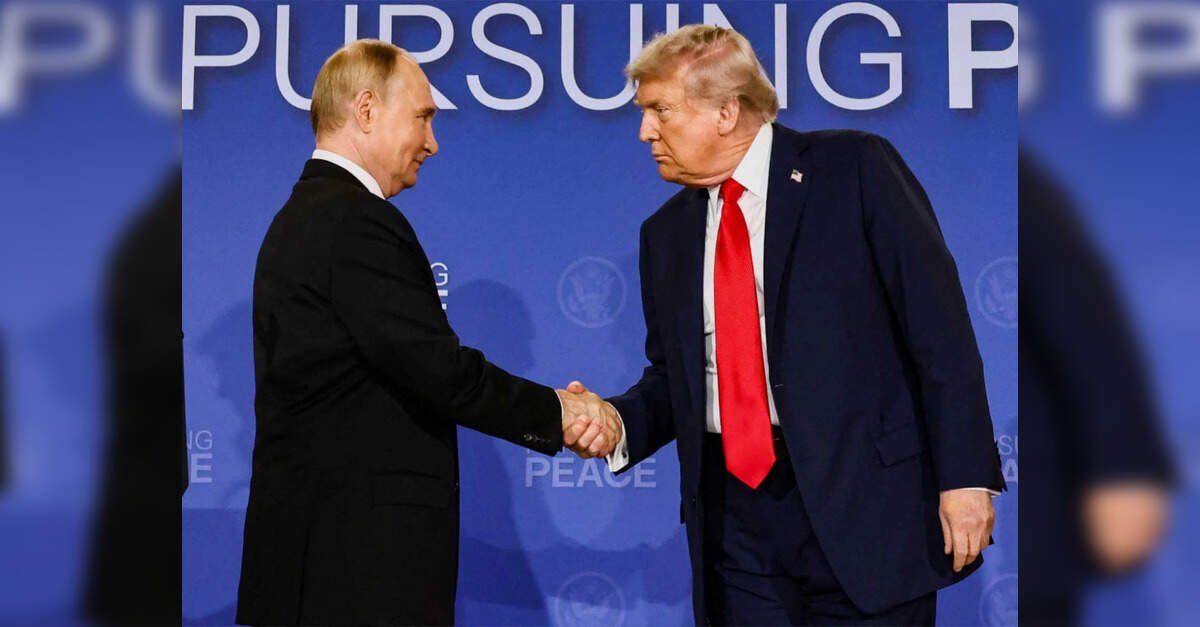
    India is studying and reviewing President Donald Trump‘s announcement of the US decision to purchase diesel from Russia, even as Washington threatens to impose 100 per cent tariffs on India under the Russia and Iran Sanctions Act for purchasing Russian oil.

    Trump’s decision to purchase Russian diesel may not explicitly violate the Russia and Iran Sanctions Act, and Washington may devise a concession for itself, senior sources, speaking on condition of anonymity, told ET. The move to purchase Russian diesel while sanctioning India for buying Russian oil may appear hypocritical. However, the Trump administration may carve out an exemption to implement its decision to import Russian diesel, sources explained.

    India is carefully studying Trump’s announcement and its implications for the country’s energy purchases from Moscow, sources added. While Trump’s phone call with Prime Minister Narendra Modi on September 30 was described as good, the Trump administration has not taken a conclusive decision yet on any waiver under the Russia and Iran Sanctions Act (SRIA).

    During several conversations with the US over the past few months, New Delhi had explained to its interlocutors that sanctioning India under SRIA would adversely affect bilateral ties, which have already been strained by delays in concluding a trade pact and growing US-Pakistan ties.

    Under the agreement with President Vladimir Putin, Russia will immediately supply more than 300,000 tonnes of diesel, followed by another 500,000 tonnes in November, then 1 million tonnes “immediately thereafter” and a further 3 million tonnes, depending on refinery conditions, according to the US President.

    The move is being seen as an outreach to American voters ahead of the midterm elections.

    Between our TOTAL CONTROL of the Strait of Hormuz, and this great announcement on Russian Energy, Diesel Prices for Americans and, indeed, the World, will be COMING DOWN, IN RECORD NUMBERS, AND FAST! Lower prices for Americans, especially our Great Farmers, Ranchers, and Truckers, is my Greatest Priority. This is a very big and important announcement,” the US President Donald Trump wrote on Truth Social.

    Diesel prices in the US and Europe have risen amid fuel supply constraints through Hormuz. Attacks on Russia’s oil and gas infrastructure have further complicated the situation. Trump has, in fact, advised the Ukrainian President to stop attacks on Russia’s oil infrastructure.

    Join the community of 2M+ industry professionals.

    Subscribe to Newsletter to get latest insights & analysis in your inbox.

    All about ETEnergyworld industry right on your smartphone!

  • Adani's Kutch Copper plans 115 MW renewable energy push at Mundra refinery

    Adani's Kutch Copper plans 115 MW renewable energy push at Mundra refinery

    • Published On Oct 11, 2026 at 05:32 PM IST
    Kutch Copper Ltd, a part of Adani Enterprises, plans to integrate 115 megawatts of renewable energy into operations. The copper refinery in Mundra aims to expand from 500,000 tonnes to 1 million tonnes per annum.
    Kutch Copper Ltd, a part of Adani Enterprises, plans to integrate 115 megawatts of renewable energy into operations. The copper refinery in Mundra aims to expand from 500,000 tonnes to 1 million tonnes per annum.

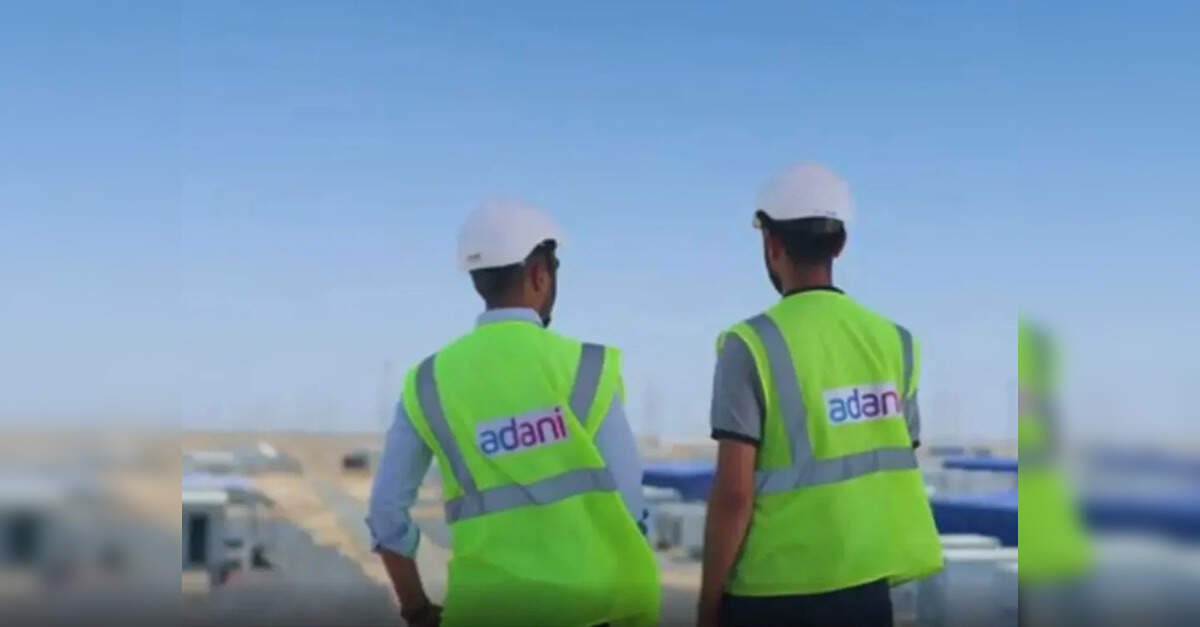
    New Delhi: Adani Enterprises Ltd‘s Kutch Copper Ltd plans to integrate 115 megawatts of renewable energy into its operations as it looks to reduce emissions, conserve water and improve resource efficiency at its copper refinery in Mundra, Gujarat.

    The company currently operates a copper smelter with a capacity of 5,00,000 tonnes per annum and plans to expand it to 1 million tonnes, which would make it the world’s largest single-location custom smelter, according to the company.

    In its maiden sustainability report, Kutch Copper outlined plans to embed environmental, social and governance considerations into its operations as demand for the metal grows on the back of energy transition investments, electric mobility, power transmission and industrial expansion.

    “A key element of our sustainability strategy is the planned integration of 115 megawatts of renewable energy, a significant step towards reducing the carbon footprint of our operations and advancing long-term decarbonisation goals,” the company said.

    Copper is a key material for clean energy technologies and electrification, placing the metal at the centre of efforts to cut carbon emissions.

    Kutch Copper said it aims to scale up production while integrating sustainability considerations into business decisions, operations and stakeholder engagement.

    The company said it operates on nearly 100 per cent desalinated water and follows a zero-liquid-discharge approach to reduce dependence on freshwater and improve water conservation.

    “We are currently treating 99.8 per cent of sulphur emissions, reflecting our commitment to adopting global standards in environmental stewardship and pollution control by leveraging advanced environmental technologies,” Kutch Copper said in the report.

    Beyond its manufacturing operations, the company said it is investing in community programmes focused on healthcare, education, livelihoods and social development.

    The Adani Group has committed $1.2 billion to the project, according to the company.

    The group sees the domestic copper industry as playing a key role in India’s ambition to achieve carbon neutrality by 2070, supported by investment in green infrastructure and environmental management.

    • Published On Oct 11, 2026 at 05:32 PM IST

    Join the community of 2M+ industry professionals.

    Subscribe to Newsletter to get latest insights & analysis in your inbox.

    All about ETEnergyworld industry right on your smartphone!

  • India-Norway energy ties broadening, LNG supplies have begun, says Norwegian official

    India-Norway energy ties broadening, LNG supplies have begun, says Norwegian official

    Dipanjan Roy Chaudhury

    Norway's State Secretary Astrid Bergmal highlighted the expanding India-Norway energy partnership during her visit to India. This partnership includes LNG supplies, renewable energy, and green hydrogen initiatives.
    Norway’s State Secretary Astrid Bergmal highlighted the expanding India-Norway energy partnership during her visit to India. This partnership includes LNG supplies, renewable energy, and green hydrogen initiatives.

    New Delhi: Norway’s State Secretary for the Ministry of Foreign Affairs, Astrid Bergmal, who was in India this week for the first anniversary of the India-EFTA TEPA, has told ET that the India-Norway energy partnership is becoming broader and more future-oriented, with Oslo launching LNG supplies to India this year.

    “Our cooperation is expanding across several areas, including renewable energy, green hydrogen, offshore wind and green shipping. Norwegian companies are contributing technology, investment and specialised expertise that can support India’s energy transition and climate ambitions,” Bergmal said when asked about the growing India-Norway energy partnership.

    “A good example is Equinor, which is working with Indian partners on renewable energy and low-carbon solutions. Earlier this year, we witnessed an energy milestone when Equinor’s first LNG delivery arrived in Gujarat, marking the beginning of a 15-year LNG supply agreement.”

    Norway is the second-biggest economy in EFTA after Switzerland.

    Referring to the India-EFTA TEPA, Bergmal said, “One of the most encouraging developments has been the way business interest is translating into measurable commercial activity. While it is still early days, we are already seeing tangible results in several sectors. Seafood is a strong example. The value of Norwegian seafood exports to India grew by 24 per cent between October 2025 and August 2026 compared with the same period a year earlier. For salmon alone, exports increased by 143 per cent. Improved market access under TEPA has played a vital role in this growth.”

    “We are also seeing significant interest in sectors such as renewable energy, maritime technology, water and waste management, digital solutions, manufacturing and health technology.”

    Around 160 Norwegian companies are already doing business in India. TEPA has further strengthened this engagement by increasing predictability and business confidence.

    Join the community of 2M+ industry professionals.

    Subscribe to Newsletter to get latest insights & analysis in your inbox.

    All about ETEnergyworld industry right on your smartphone!

  • India eyes ₹7.5 lakh crore investment, 100 GW nuclear capacity by 2047

    India eyes ₹7.5 lakh crore investment, 100 GW nuclear capacity by 2047

    Aryan Singh

    A representative picture.
    A representative picture.

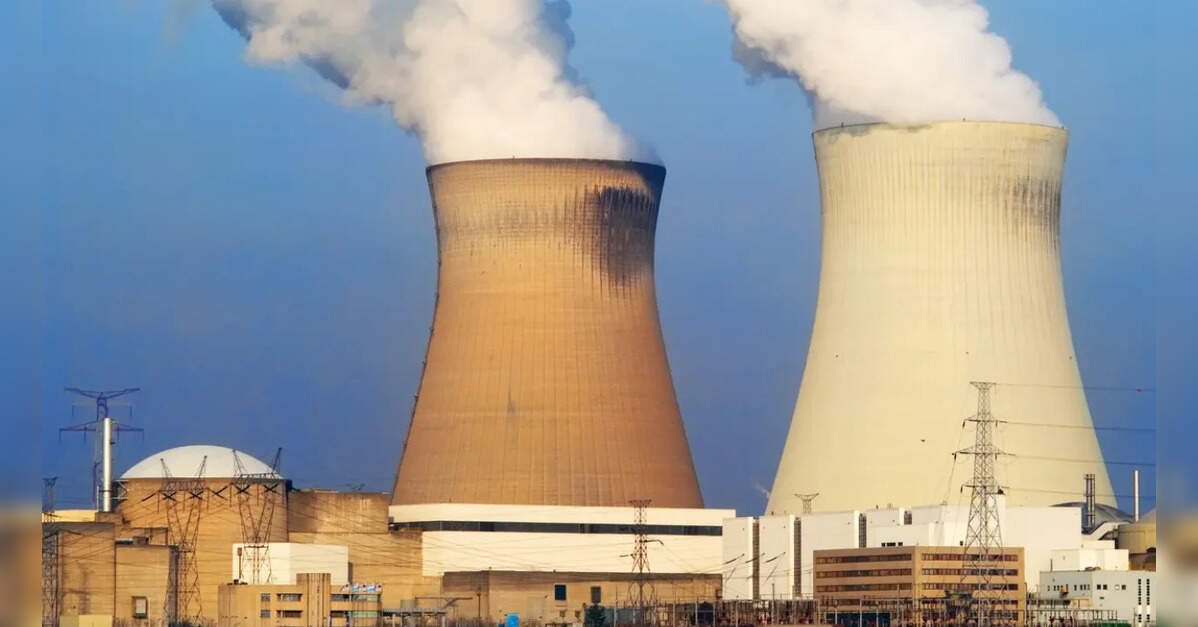
    India is looking to scale up its nuclear power capacity to 100 gigawatts (GW) by 2047, with the entry of private players expected to bring in ₹7.5 lakh crore in investment and contribute 30 GW to the country’s ambitious expansion target.

    The move marks a major push to expand nuclear energy as India seeks to meet rising electricity demand, strengthen energy security and diversify its power mix.

    According to news agency PTI, Atomic Energy Commission chairman A K Mohanty said the private sector could contribute 30 GW to the target, while the opening of the nuclear power sector to private players is expected to attract ₹7.5 lakh crore in investment.

    He also said India holds 25 per cent of global thorium reserves, which could support the second and third stages of the country’s nuclear power programme.

    India currently has an installed nuclear power capacity of 8.78 gigawatts (GW), generated by 24 reactors, according to the Department of Atomic Energy. The government aims to increase this capacity to around 22 GW by 2031-32, before scaling it up further to 100 GW by 2047 as part of its long-term nuclear energy expansion plan.

    The government plans to raise the nuclear power capacity of Nuclear Power Corporation of India Limited (NPCIL), a public-sector company responsible for operating nuclear power plants in India, to 54 GW by 2047.

    Other public-sector companies, state governments and private players are expected to contribute the remaining 46 GW. The expansion aims to strengthen India’s energy security and provide reliable, low-carbon electricity.

    According to data released by the department of atomic energy, it has as identified around 439,800 tonnes of in-situ uranium oxide resources across Andhra Pradesh, Telangana, Jharkhand, Meghalaya, Rajasthan, Karnataka, Chhattisgarh, Uttar Pradesh, Uttarakhand, Himachal Pradesh and Maharashtra.

    The department also reported 1.18 million tonnes of thorium oxide resources contained in 13.15 million tonnes of monazite, a mineral found in coastal beach sands, red sands and inland deposits across several states.

    The department of atomic energy says India is pursuing a three-stage nuclear power programme to make optimal use of its limited uranium resources and harness thorium for long-term energy security. Thorium must first be converted into fissile uranium-233 before it can be used as nuclear fuel.

    Join the community of 2M+ industry professionals.

    Subscribe to Newsletter to get latest insights & analysis in your inbox.

    All about ETEnergyworld industry right on your smartphone!

  • Crude oil futures brace for volatility amid geopolitical uncertainties: Analysts

    Crude oil futures brace for volatility amid geopolitical uncertainties: Analysts

    Crude oil futures are expected to experience volatility next week stemming from US-Iran negotiations and escalation in West Asia. Investors will monitor oil market reports from OPEC and the International Energy Agency for insights.
    Crude oil futures are expected to experience volatility next week stemming from US-Iran negotiations and escalation in West Asia. Investors will monitor oil market reports from OPEC and the International Energy Agency for insights.

    Crude oil futures are likely to remain volatile next week as uncertainty over US-Iran negotiations and escalating tensions in West Asia keep supply risks elevated, even as hopes of a deal to reopen the Strait of Hormuz offer scope for a correction, analysts said.

    Investors will track the monthly oil market reports from the Organization of the Petroleum Exporting Countries and the International Energy Agency, along with the American Petroleum Institute’s weekly inventory numbers and US government data on crude inventories and imports, they added.

    The geopolitical situation remains fluid after US President Donald Trump said Washington was considering joining Saudi strikes against Iran-backed Houthi rebels in neighbouring Yemen, following an attack on Riyadh’s international airport.

    “The widening conflict has heightened concerns over energy shipments through the region, including the strategic Bab el-Mandeb Strait,” said Navneet Damani, Head of Research – Commodities at Motilal Oswal Financial Services Ltd.

    On the Multi Commodity Exchange (MCX), crude oil futures for October delivery fell ₹35, or 0.4 per cent, last week to settle at ₹8,881 per barrel. The November contract, however, gained ₹82, nearly 1 per cent, to close at ₹8,828 per barrel.

    “Crude oil is caught between diplomatic optimism and persistent physical supply risks. MCX crude holding above ₹8,500, against pre-war levels near ₹6,500, highlights the significant supply-risk premium still embedded in prices,” Damani said.

    He added that any positive response from Iran to the US proposal could trigger further near-term correction, but past experience shows that diplomatic progress alone rarely ensures a lasting recovery in supplies.

    Earlier, Trump said discussions between Washington and Tehran were constructive, and the US would not launch a military strike against Iran before the November 3 midterm elections.

    “Globally, developments around US-Iran diplomacy and crude oil prices will remain critical. Any progress on a framework for reopening the Strait of Hormuz could ease energy prices and provide some relief to India’s import bill and the rupee, while renewed geopolitical tensions could keep volatility elevated,” Ajit Mishra, SVP – Research, Religare Broking, said.

    Iran, meanwhile, is evaluating the US response to its proposal on reopening the Strait of Hormuz.

    Damani said the Strait of Hormuz remained severely constrained, with September’s recovery in exports largely driven by alternative routes that are costly, stretched and vulnerable to disruption.

    In global markets, Brent futures for December delivery rose $2.47, or 2.41 per cent, to $104.72 per barrel, while West Texas Intermediate crude gained 1 per cent to settle at $91.85 per barrel in New York.

    The volatility in oil prices was also driven by the production disruptions in the US Gulf of Mexico due to hurricane-related shutdowns, which supported WTI prices, helping the contract recover from earlier losses on Friday. This support could fade as production resumes, Damani said.

    On the near-term outlook, he said that global supply expectations continue to be revised lower, with a meaningful recovery in Gulf supplies uncertain before 2027.

    According to Choice Broking, escalating tensions in West Asia disrupted global logistics; attacks on 11 tankers in the Strait of Hormuz drove freight rates to record highs and caused severe shipping bottlenecks.

    However, gains in oil prices were capped after the US Treasury issued a temporary licence allowing Russia to release 22.5 million barrels of diesel into global markets, while diplomatic de-escalation talks involving Western allies and Ukraine in Miami offered some relief, the brokerage firm said.

    • Published On Oct 11, 2026 at 02:58 PM IST

    Join the community of 2M+ industry professionals.

    Subscribe to Newsletter to get latest insights & analysis in your inbox.

    All about ETEnergyworld industry right on your smartphone!

  • NHPC and Tripura government to invest ₹100 crore in Dumboor hydroelectric project restoration by 2026

    NHPC and Tripura government to invest ₹100 crore in Dumboor hydroelectric project restoration by 2026

    The National Hydroelectric Power Corporation has identified the necessary updates for the Dumboor hydroelectric project, planning a significant investment of around ₹100 crore by the state government to revitalize the facility.
    The National Hydroelectric Power Corporation has identified the necessary updates for the Dumboor hydroelectric project, planning a significant investment of around ₹100 crore by the state government to revitalize the facility.

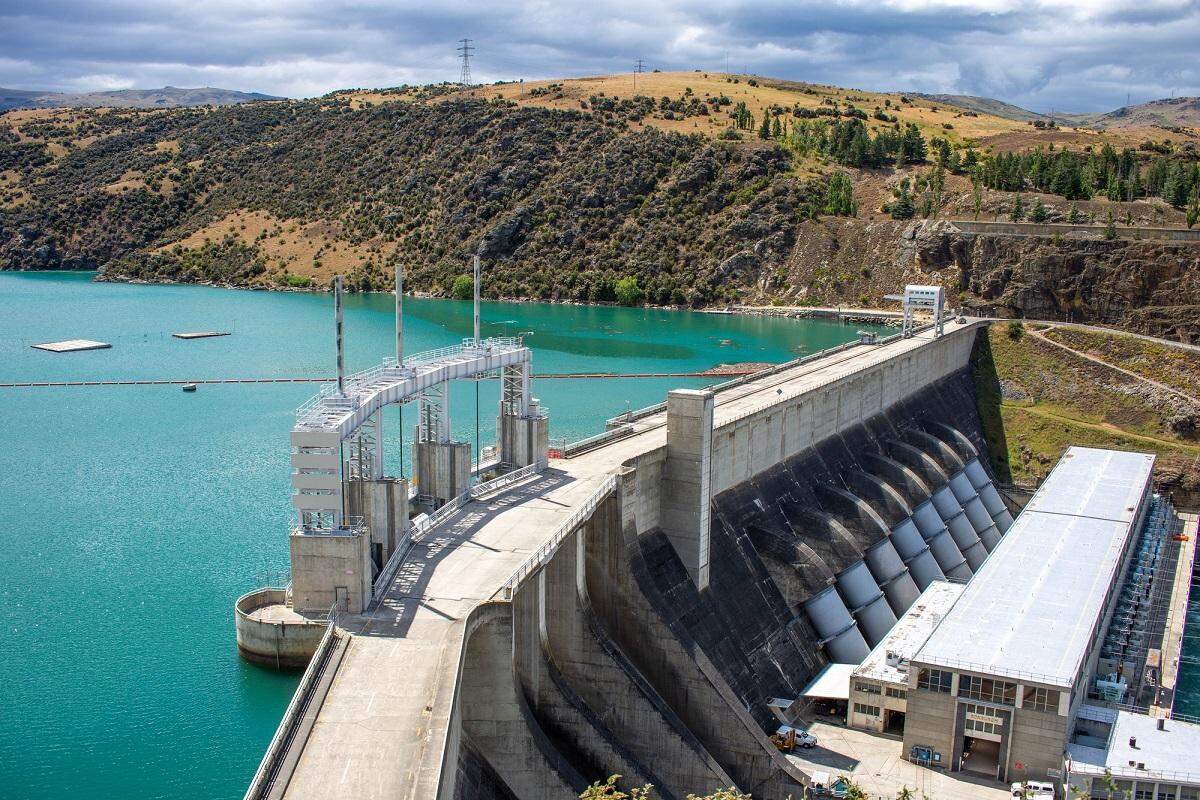
    The National Hydroelectric Power Corporation (NHPC), in collaboration with the Tripura govt, has completed a technical assessment to determine the restoration and modernisation requirements for the state’s only hydroelectric project at Dumboor in Gomati district.

    Power minister Ratan Lal Nath announced that the state govt intends to invest around ₹100 crore to restore the damaged facility and improve its power generation capacity. The project aims to raise output to 10-11 MW from its original capacity to 15MW across three units.

    Work is expected to begin by Dec 2026, following the completion of detailed assessments and preparatory procedures.

    Nath shared the update at the ground-breaking ceremony for the restoration and modernisation project. The plant sustained severe damage during the 2024 floods.

    The initiative is aimed at upgrading the state’s ageing electricity infrastructure and enhancing its renewable energy capabilities. Tripura is a power-surplus state that primarily relies on gas-based turbine power generation.

    Join the community of 2M+ industry professionals.

    Subscribe to Newsletter to get latest insights & analysis in your inbox.

    All about ETEnergyworld industry right on your smartphone!

  • GAIL launches Season 2 of ‘Wah Kya Energy Hai’ campaign with new anthem

    GAIL launches Season 2 of ‘Wah Kya Energy Hai’ campaign with new anthem

    • Published On Oct 11, 2026 at 02:02 PM IST
    GAIL (India) has launched the second season of its consumer awareness campaign called Wah Kya Energy Hai. The campaign includes four short films and a new anthem promoting cleaner energy options.
    GAIL (India) has launched the second season of its consumer awareness campaign called Wah Kya Energy Hai. The campaign includes four short films and a new anthem promoting cleaner energy options.

    GAIL (India) Limited has launched the second season of its consumer awareness campaign, Wah Kya Energy Hai, with four short films and a new anthem titled Naye Bharat Ki Nayi Energy. The campaign promotes cleaner energy options, including compressed natural gas (CNG), piped natural gas (PNG), liquefied natural gas (LNG) and compressed biogas (CBG), through stories based on everyday situations. The new season is available on GAIL’s official YouTube channel.

    GAIL uses everyday stories to promote clean energy

    Season 2 follows the Mishra family as they navigate familiar situations, including a trip to Varanasi, a boat ride, family celebrations, visits to relatives and an event at Senior Mishra’s factory.

    Each of the four films uses humour and everyday storytelling to highlight how cleaner fuels can be used in homes, businesses, industries and transportation. The episodes focus on different applications of natural gas, including Domestic PNG (D-PNG), Commercial PNG (C-PNG), Industrial PNG (IPNG), CNG and LNG.

    Each film runs for approximately eight to 10 minutes. According to GAIL, the latest season builds on the first instalment with changes to its production, visuals and storytelling. The campaign also covers CBG, which is produced from organic waste and other biodegradable materials.

    Alongside the films, GAIL has released Naye Bharat Ki Nayi Energy, an anthem running for more than four minutes. The music video showcases the company’s energy infrastructure and solutions, including India’s first floating CNG station in Varanasi and its initiatives in compressed biogas.

    GAIL is distributing the anthem through music-streaming platforms such as Spotify, Amazon Music, Gaana and JioSaavn. The company is also using short videos, digital banners and interactive activities to expand the campaign’s reach.

    Ayush Gupta, Director (HR) at GAIL, who also leads Corporate Communications and Branding, said the campaign aims to increase awareness of cleaner energy choices and environmental responsibility. “Wah Kya Energy Hai Season 2, along with our anthem Naye Bharat Ki Nayi Energy, is an endeavour to kindle greater awareness about clean energy choices and environmental responsibility among consumers. Through logical, grounded and relatable storytelling, we aim to encourage Indians to make smarter, future-ready fuel choices and understand how cleaner energy can positively impact both the environment and everyday life. We have also consciously brought Gen Z into the communication, recognising that the youth are not only the consumers of tomorrow but also important catalysts for the energy transition.”

    The campaign also features actors Srikant Verma, Divya Jagdale, Luv Vispute and Ahmed Khan across the four films.

    • Published On Oct 11, 2026 at 02:02 PM IST

    Join the community of 2M+ industry professionals.

    Subscribe to Newsletter to get latest insights & analysis in your inbox.

    All about ETEnergyworld industry right on your smartphone!

  • NTPC invites bids from industries for 26% equity stake in co-generation power projects

    NTPC invites bids from industries for 26% equity stake in co-generation power projects

    ETEnergyWorld Desk

    A representative picture.
    A representative picture.

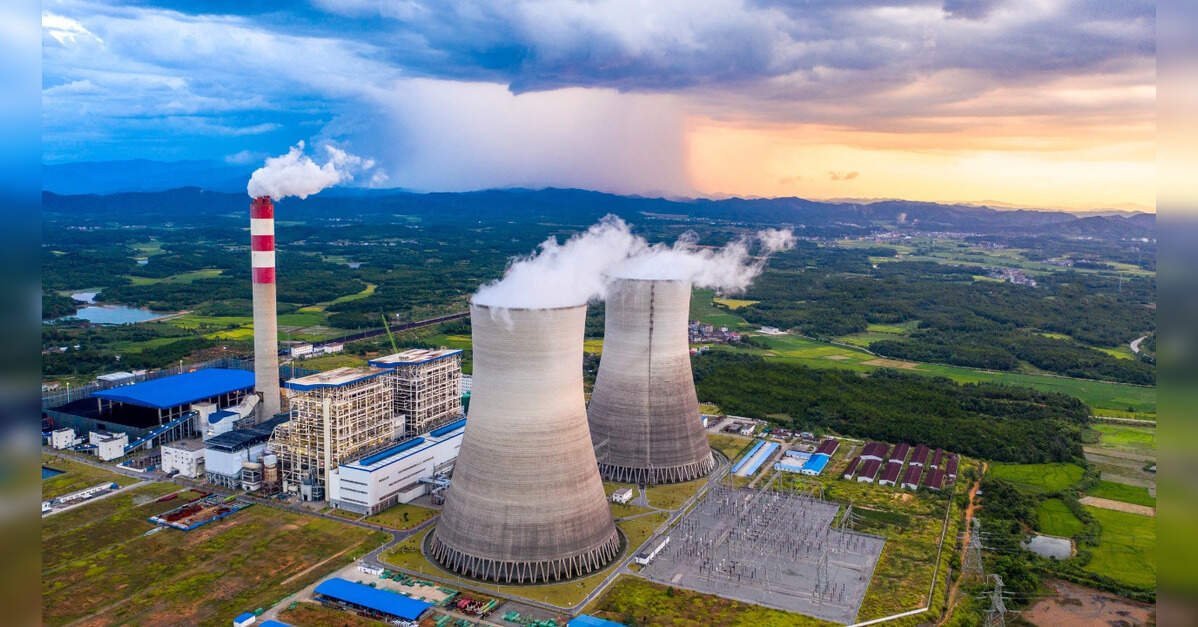
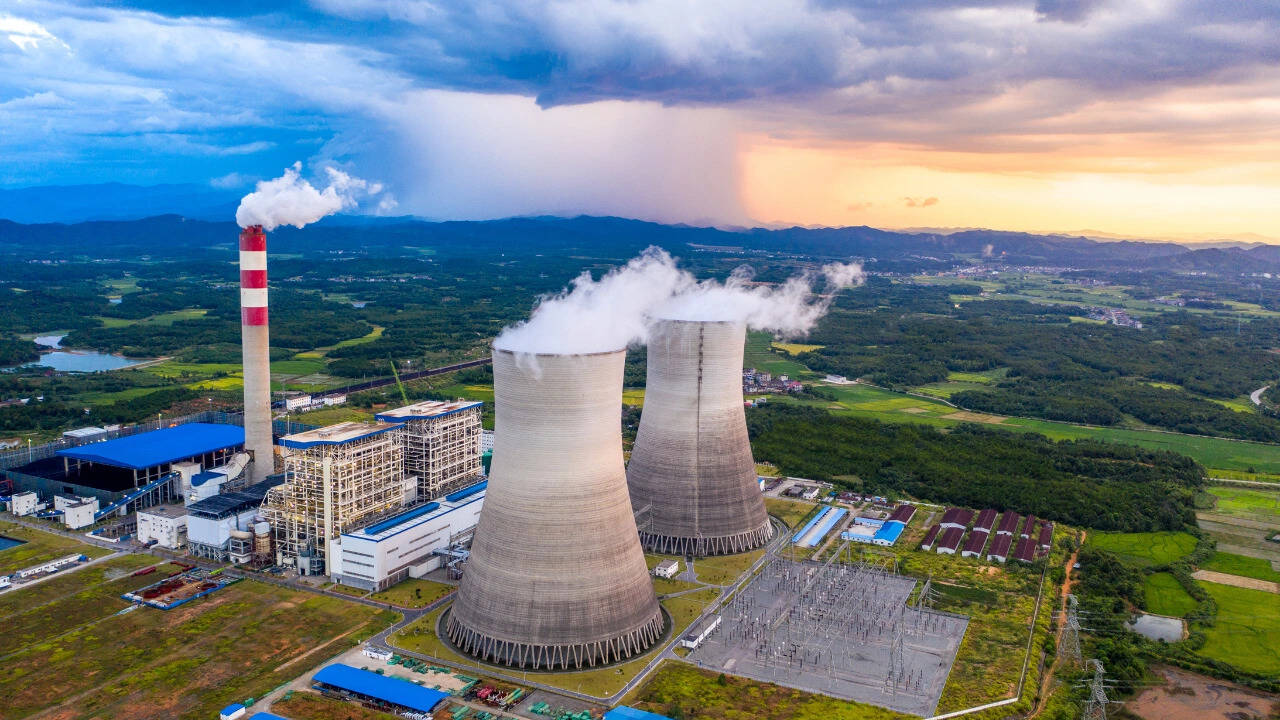
    NTPC, on Sunday, announced that it has invited Expressions of Interest (EOI) from commercial and industrial entities willing to invest 26 per cent equity in co-generation projects.

    According to the company’s statement, the initiative aims to explore opportunities for developing co-generation facilities to meet industrial requirements for steam and electricity, alongside integrated power supply solutions based on coal, renewable energy and Battery Energy Storage Systems (BESS).

    The state-run power utility said industries are increasingly focused on energy security, cost optimisation and sustainability, and that co-generation can improve overall energy efficiency.

    It said the proposed initiative seeks to address these diverse requirements of industries with reliable, economical and sustainable energy solutions through long-term power supply arrangements.

    The state-run integrated power utility firm has installed capacity of over 91 gigawatts (GW), with more than 35 GW under construction. It has set a target of 149 GW by 2032, including 60 GW from renewable energy.

    Its capacity includes thermal, hydro, solar and wind power plants. The company has also entered e-mobility, storage, waste-to-energy, nuclear power and green hydrogen.

    Join the community of 2M+ industry professionals.

    Subscribe to Newsletter to get latest insights & analysis in your inbox.

    All about ETEnergyworld industry right on your smartphone!

  • Suzlon to invest ₹550 crore in three AI-powered wind turbine blade factories by 2027

    Suzlon to invest ₹550 crore in three AI-powered wind turbine blade factories by 2027

    ETEnergyWorld Desk

    A representative picture.
    A representative picture.

    Renewable energy group Suzlon is investing nearly ₹550 crore to set up three AI-powered blade factories, said co-founder Girish Tanti in an interaction with PTI.

    According to Tanti, these AI-enabled smart factories will boost productivity alongside quality and safety. It will also make Suzlon-India’s largest smart wind manufacturing capacity with a total of 18 factories.

    The two blade facilities have been planned for Gujarat and Karnataka, the third will come up in Tamil Nadu. The renewable energy group already has five blade factories in Jaisalmer, Bhuj, Ratlam, Dhule and Anantapur.

    Tanti said the company has earmarked capex of ₹550 crore for the three projects, funded from internal accruals. ₹200 crore is for the Tamil Nadu project; the remaining will be utilised for Gujarat and Karnataka facilities.

    The new plants are said to generate 3,000 direct and 12,000 indirect jobs with 80 per cent rural employment.

    AI-enabled manufacturing

    Speaking on the AI-enabled vision, Tanti said, it will strengthen the product quality through instant defect detection, while digital quality platforms like AskCQMS and the SAFER safety app are elevating workplace assurance and traceability.

    He added, the company has already deployed automation in blade manufacturing at these locations and is now scaling an integrated digital architecture across nacelle production with Manufacturing Execution Systems (MES), Enterprise Resource Planning (ERP), IoT (Internet of Things ) convergence, and robotics for critical tasks.

    “Suzlon is building a new generation of smart factories that combine automation, advanced analytics, AI-driven decision systems, and digitally unified operations to deliver faster, leaner, and more reliable manufacturing,” Tanti said.

    The estimated time period for setting up these facilities is by 2027 and they will be closer to wind project sites to improve logistics.

    Join the community of 2M+ industry professionals.

    Subscribe to Newsletter to get latest insights & analysis in your inbox.

    All about ETEnergyworld industry right on your smartphone!

  • US releases 4 million barrels from strategic oil reserves for ExxonMobil, BP amid Hurricane Isaias disruptions

    US releases 4 million barrels from strategic oil reserves for ExxonMobil, BP amid Hurricane Isaias disruptions

    The United States authorised the release of up to four million barrels of crude oil from its Strategic Petroleum Reserve to help ExxonMobil and BP maintain refinery operations amid supply disruptions caused by Hurricane Isaias.
    The United States authorised the release of up to four million barrels of crude oil from its Strategic Petroleum Reserve to help ExxonMobil and BP maintain refinery operations amid supply disruptions caused by Hurricane Isaias.

    Washington: The United States on Saturday authorized the release of up to four million barrels of crude oil from its strategic reserves to offset supply disruptions caused by storm Isaias in the country’s southeast.

    As part of the “emergency exchange,” ExxonMobil and BP American can each receive up to two million barrels “to help maintain refinery operations,” Energy Secretary Chris Wright was quoted as saying in a statement released by his department.

    The two oil giants will be required to return crude to the Strategic Petroleum Reserve (SPR) in 2027, contributing a “premium” amount beyond what was borrowed, the Department of Energy said.

    Oil production in the US Gulf coast region has been severely disrupted by Isaias, which made landfall in Florida on Friday as a Category 2 hurricane.

    The SPR has already been tapped since the US war with Iran shocked energy markets, with the backstock reaching its lowest level since 1982.

    Since the US and Israel launched strikes on Iran in late February, 132 million barrels have been withdrawn from the 415 million in reserve. Washington has pledged to gradually release 172 million barrels.

    • Published On Oct 11, 2026 at 10:22 AM IST

    Join the community of 2M+ industry professionals.

    Subscribe to Newsletter to get latest insights & analysis in your inbox.

    All about ETEnergyworld industry right on your smartphone!