Author: admin

  • Exide India, Germany’s ExCom partner to expand industrial battery business across EEA

    Exide India, Germany’s ExCom partner to expand industrial battery business across EEA

    Exide Industries has entered into a long-term strategic cooperation with Germany-based ExCom Energy Solutions to market industrial battery and energy storage solutions across the European Economic Area, initially focusing on traction and stationary battery applications.
  • India's trade deficit narrows to $26.86 bn in August as gold imports plunge

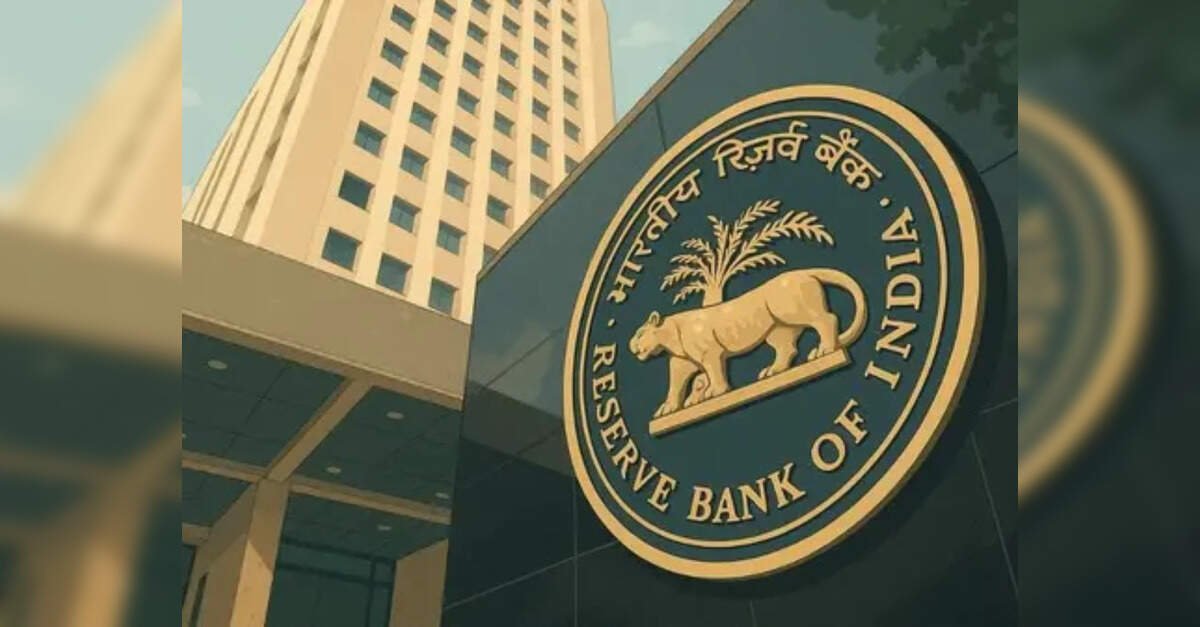
    India's trade deficit narrows to $26.86 bn in August as gold imports plunge

    India’s merchandise trade deficit narrowed marginally to $26.86 billion in August from $27.2 billion a year earlier, as exports rose 26.1% to $43.81 billion while imports grew 14.1% to $70.76 billion.

  • SBI sees 25 bps rate hike in October MPC, another in December as inflation risks mount

    SBI sees 25 bps rate hike in October MPC, another in December as inflation risks mount

    The projected back-to-back moves would build a cumulative “50 bps as a moat” to insulate the domestic economy from intensifying external commodity shocks, persistent currency headwinds, and broadening domestic price pressures.

  • Electric locomotives to replace diesel on Bengaluru-Mangaluru ghat section

    Electric locomotives to replace diesel on Bengaluru-Mangaluru ghat section

    Anush S

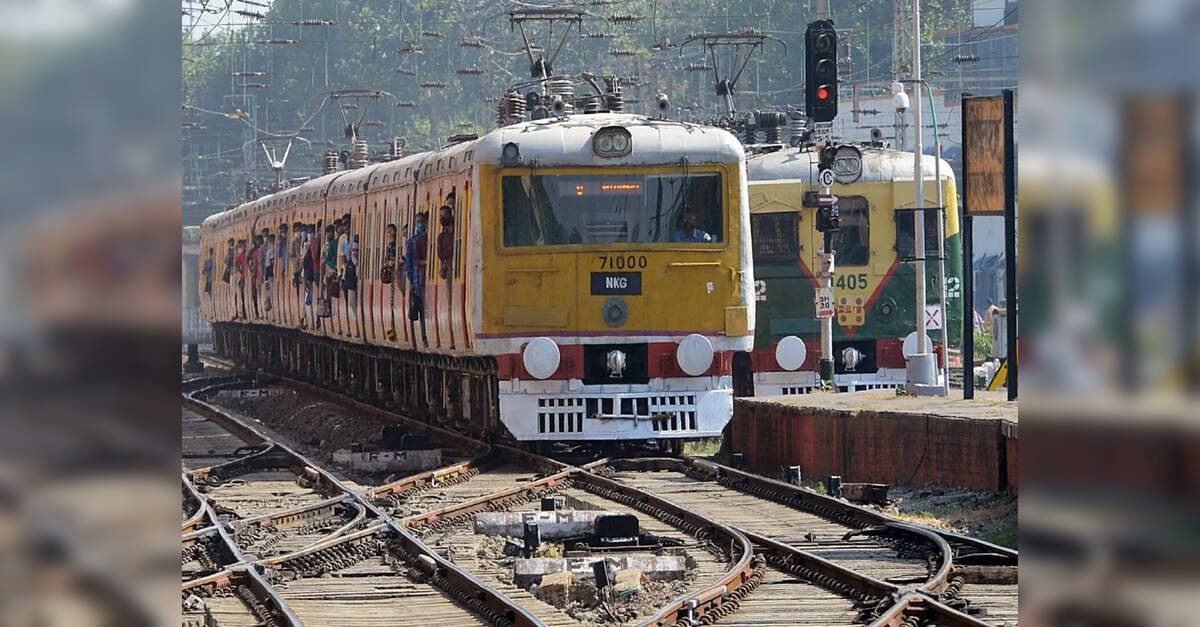
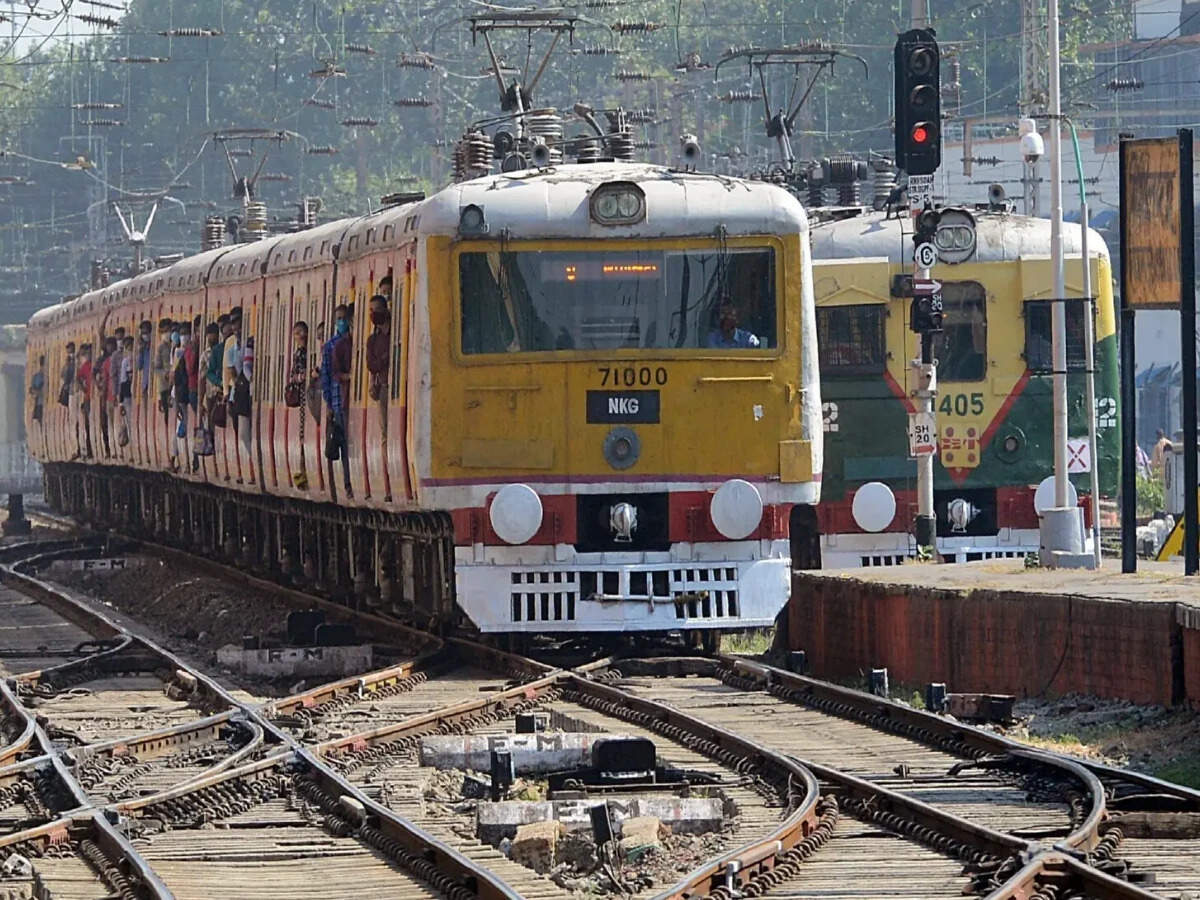
    South Western Railway plans to introduce electric locomotives on the 55-km Sakleshpura-Subrahmanya Road ghat section.
    South Western Railway plans to introduce electric locomotives on the 55-km Sakleshpura-Subrahmanya Road ghat section.

    Diesel locomotives on the Bengaluru-Mangaluru rail section could soon become history.

    Almost a year after the 55-km ghat section between Sakleshpura and Subrahmanya Road was electrified, South Western Railway (SWR) can shortly start running trains powered by electric locomotives.

    The stretch with several steep gradients, tunnels and bridges is a crucial part of the rail link between Bengaluru and Mangaluru.

    SWR has proposed switching seven trains using the stretch to alternating current (AC) traction: SMVT Bengaluru-Murdeshwar Express, Kozhikode Express, Yesvantpur-Karwar Express, Yesvantpur-Mangaluru Junction Weekly Express, Gomteshwara Express, Vijayapura-Mangaluru Central Express, and KSR Bengaluru-Karwar Panchaganga Express.

    Of these, four trains are now diesel-hauled, while the rest are pulled by electric locomotives and partially by diesel locomotives. The Kozhikode Express, SMVT Bengaluru-Murdeshwar Express and Vijayapura-Mangaluru Central Express currently use diesel locos partially only to pass the ghats.

    An SWR Mysuru division official said, “We are currently working on a traction sub-station (TSS) at Sakaleshpura. Once that is completed, we expect to conduct the electric trials for the section. The Research Designs and Standards Organisation (RDSO) trials for Vande Bharat were completed last month and were successful.”

    As railway rules mandate automatic emergency brakes (AEB) along the ghats, only electric locomotives fitted with the feature will be used. Despite the traction upgrade, speed restrictions will continue. All trains, including the proposed Madgaon-Yeshwantpur Vande Bharat, will be capped at a maximum speed of 30kmph.

    Karnataka is among five states/UTs yet to achieve 100 per cent rail electrification; currently, 97 per cent of the state’s network is electrified.

    Join the community of 2M+ industry professionals.

    Subscribe to Newsletter to get latest insights & analysis in your inbox.

    All about ETEnergyworld industry right on your smartphone!

  • India wastes 4% of solar power amid power shortages in July, August: Report

    India wastes 4% of solar power amid power shortages in July, August: Report

    • Published On Oct 12, 2026 at 01:17 PM IST
    India’s transmission constraints are forcing renewable power curtailment even as electricity demand rises and coal stocks tighten.
    India’s transmission constraints are forcing renewable power curtailment even as electricity demand rises and coal stocks tighten.

    India turned away nearly 1.8 billion units of renewable electricity in July and August, even as it grappled with power shortages and dwindling coal stocks at power plants during a period of record electricity demand, a report showed on Monday.

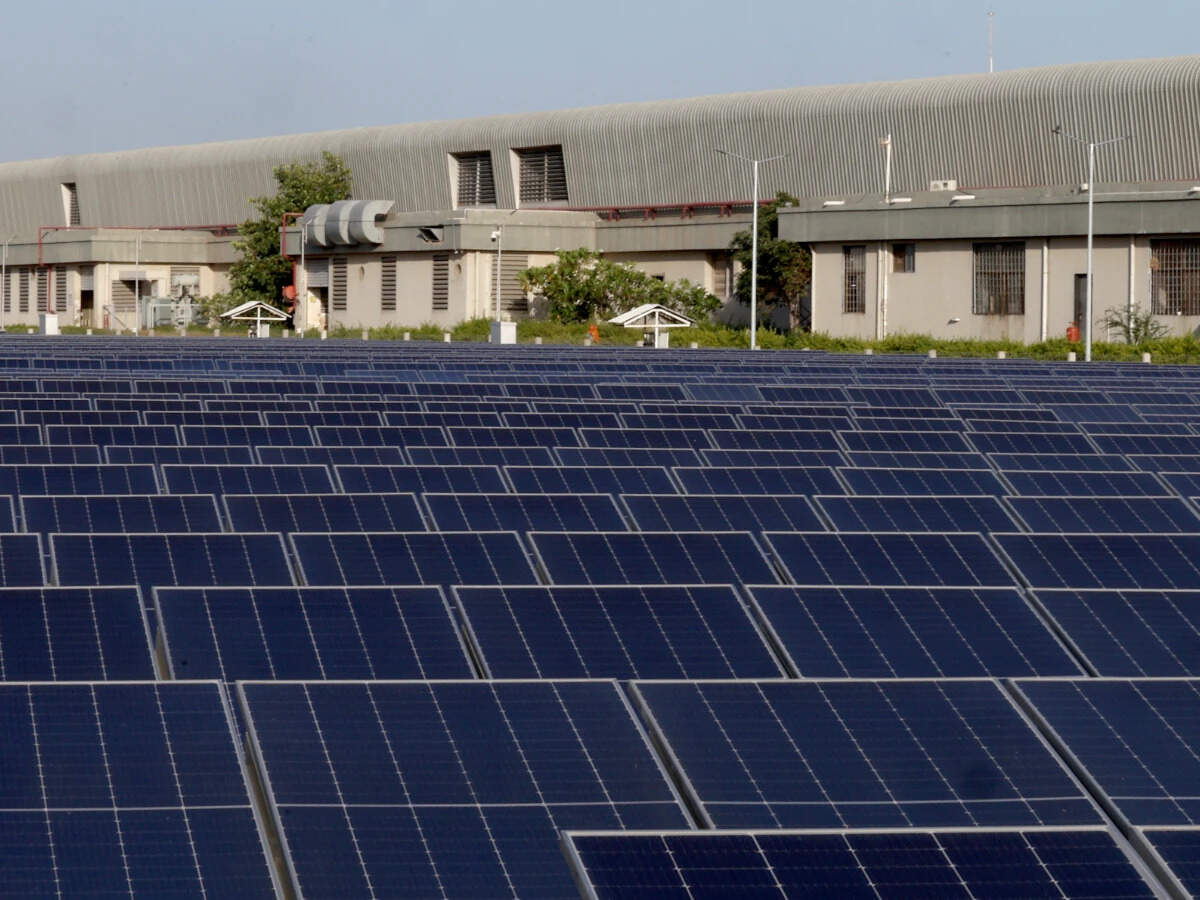
    About 4.2 per cent of total solar generation could not be absorbed by the grid in July and August, highlighting inadequate transmission infrastructure, data from the Centre for Research on Energy and Clean Air (CREA) showed.

    The data highlight a growing challenge for India as it expands renewable energy capacity to meet its clean energy target of 500 gigawatts (GW) by 2030, up from the current 304 GW.

    “Despite record renewable generation, significant volumes of renewable electricity continued to be curtailed because of grid and operational constraints,” CREA analysts said.

    India, the world’s third-biggest solar power generator, held back 14% of its solar power output between April and June, according to government data.

    The South Asian nation’s transmission network has struggled to keep pace with the increase in green energy, particularly solar, which accounts for about 168 GW, or nearly a third of its power generation capacity, according to government figures.

    The clean power curbs came even as peak power demand touched 270 GW in July and coal inventories at power stations fell sharply, the energy think tank said.

    Nearly half of the country’s coal plants had stocks under four days of their requirement early this month.

    India added renewable capacity at a rapid pace over the past year, helping non-fossil sources account for more than half of the country’s installed power capacity.

    Solar generation jumped 39 per cent from a year earlier during the quarter ended September, while renewable generation excluding large hydro crossed 100 billion units for the first time.

    Coal remained the backbone of India’s power system during the quarter, supplying about two-thirds of electricity despite record renewable generation, as rising demand and a 20 per cent decline in hydropower output linked to the El Niño weather pattern increased reliance on fossil fuels, the report said.

    • Published On Oct 12, 2026 at 01:17 PM IST

    Join the community of 2M+ industry professionals.

    Subscribe to Newsletter to get latest insights & analysis in your inbox.

    All about ETEnergyworld industry right on your smartphone!

  • Oilmax-Eleven Consortium wins Kutch offshore oil, gas block in DSF Round

    Oilmax-Eleven Consortium wins Kutch offshore oil, gas block in DSF Round

    ETEnergyWorld Desk

    Image for representational purposes only.
    Image for representational purposes only.

    The Oilmax-Eleven consortium has emerged as the winning bidder for the Kutch offshore oil and gas block under the Government of India’s latest Discovered Small Fields (DSF) bidding round, according to a release issued on Monday.

    The consortium secured the highest bid score in a competitive process, following which the Directorate General of Hydrocarbons (DGH), under the Ministry of Petroleum & Natural Gas, formally communicated the award through a Letter of Award (LOA).

    Under the joint venture structure, Oilmax Energy Private Ltd and Eleven, via SAS Infotech, will each hold an equal 50 per cent participating interest in the offshore block. The win marks Eleven’s entry into India’s upstream energy space while bolstering Oilmax’s exploration and production portfolio nationwide.

    Eleven, formerly known as SAS Group, was founded by Medanta co-founder Sunil Sachdeva and operates across healthcare, financial services, consumer technology, energy, and investments.

    The award comes against the backdrop of strategic energy security priorities for India, the world’s third-largest energy consumer, which currently imports nearly 90 per cent of its crude oil requirements and around half of its natural gas demand to meet expanding consumption.

    Emphasising the need to scale local output, Kapil Garg, Founder and Managing Director, Oilmax Energy, said “India’s energy demand will only rise as the economy continues to grow, and reliable, affordable energy is fundamental to sustaining that growth.”

    “Developing our domestic oil and gas resources is essential to reducing import dependence, improving energy security and creating long-term value for the country. We look forward to bringing our technical expertise and experience to this asset,” Garg said.

    Sunil Sachdeva, Co-founder, Medanta, and Chairman, Eleven, stated, “For India, energy security is no longer just an economic issue; it is a strategic one. The events of the last few years have shown how quickly global energy markets can be disrupted, which makes increasing domestic production critical.”

    Join the community of 2M+ industry professionals.

    Subscribe to Newsletter to get latest insights & analysis in your inbox.

    All about ETEnergyworld industry right on your smartphone!

  • Goldman Sachs lifts December 2026 Brent price forecast to $90/bbl

    Goldman Sachs lifts December 2026 Brent price forecast to $90/bbl

    • Published On Oct 12, 2026 at 01:08 PM IST
    Brent could fall into the $60-a-barrel range in 2027 if average Gulf output rises 1 million barrels per day above February 2026 levels.
    Brent could fall into the $60-a-barrel range in 2027 if average Gulf output rises 1 million barrels per day above February 2026 levels.

    Goldman Sachs raised its December 2026 Brent crude price forecast to $90 a barrel from $85, citing persistent supply risks that are likely to keep near-term oil market premiums elevated.

    “We maintain our base case that continued adaptation of Mideast supply will eventually reduce crude oil prices, while potential renewed escalation still poses significant net upside risk,” Goldman Sachs said in a note on Sunday.

    Goldman Sachs maintained its 2027 average Brent forecast of $80 a barrel and expects WTI prices to average $81 a barrel in December and $73 a barrel in 2027

    Brent could average around $125 a barrel in 2027 if average Gulf output that year remains 5 million barrels per day below February 2026 levels, compared with 0.3 million barrels per day below those levels in its base-case scenario – Goldman

    Conversely, Brent could fall into the $60s in 2027 if average Gulf output rises 1 million barrels per day above February 2026 levels – Goldman

    Oil prices slipped on Monday on expectations of more Russian supplies after US President Donald Trump said Ukraine and Russia had agreed to halt attacks on each other’s energy facilities following a US diesel-supply deal with Moscow

    “For investors seeking to hedge upside risk to oil prices, we still recommend long summer 2027 European gasoline positions. We recommend that oil producers hedge oil price downside with put spreads, which also leave exposure to price upside”, Goldman.

    • Published On Oct 12, 2026 at 01:08 PM IST

    Join the community of 2M+ industry professionals.

    Subscribe to Newsletter to get latest insights & analysis in your inbox.

    All about ETEnergyworld industry right on your smartphone!

  • Hello world!

    Welcome to WordPress. This is your first post. Edit or delete it, then start writing!

  • First Look: Citroën 2CV-inspired future E-Car concept wants to go back to the basics

    First Look: Citroën 2CV-inspired future E-Car concept wants to go back to the basics

    We checked out the Citroën 2CV-inspired future E-Car concept at its world premiere, which took place at the Paris Motor Show. The concept is expected to enter production by 2028 as an affordable EV costing around £13,000, and here’s everything we observed.

    Design

    The design of the Citroën 2CV-inspired future E-Car concept stays true to the original 1948 model, reinterpreted in an all-new electric city car. On first impressions, the rounded silhouette and vintage detailing give it an unmistakable connection to its predecessor.

    Citroën 2CV-inspired future E-Car concept front
    Citroën 2CV-inspired future E-Car concept bonnet details
    Eye-like headlights and an oversized Citroën badge give the 2CV concept a friendly face, while grooves running along the bonnet and a simple silver bumper reinforce its retro character.

    The front-end design is dominated by domed headlights mounted high on the front fenders, much like the bug-eyed original 2CV. We noted deep longitudinal ribs on the bonnet, while open channels on top of the front wings add another nostalgic link to historic versions.

    Citroën 2CV-inspired future E-Car concept side
    The arched roofline and pronounced wings recall the original 2CV, with nearly full wheel covers and three tiny classic 2CV silhouettes on the rear side window completing the nostalgic look.

    The sides carry this retro theme further with large stamped-steel wheels wrapped in Michelin tyres. Up close, the classic body lines are quite apparent and do well to maintain the distinctive profile of the famous ‘Tin Snail’

    Citroën 2CV-inspired future E-Car concept rear
    Citroën 2CV-inspired future E-Car concept rear three quarter
    A sloping black tailgate and rolled-back fabric roof preserve the old-school silhouette, while slim vertical lights add a modern touch.

    Pricing & Availability

    The Citroën 2CV-inspired future E-Car concept is a preview of the production version slated to arrive by 2028 as part of the Stellantis “E-Car project”.

    Citroën 2CV-inspired future E-Car concept steering
    Citroën 2CV-inspired future E-Car concept interior front legroom
    Citroën 2CV-inspired future E-Car concept passenger dashboard
    A vintage radio-style audio panel and a centre console resembling a wicker picnic basket add to the charm, alongside a slim digital instrument display and a centrally mounted screen.

    With a targeted starting price of around €15,000 (£13,000), the production car is likely to be manufactured at the Pomigliano d’Arco plant in Italy, sharing its low-cost architecture with a next-gen electric Fiat Panda. 

    Citroën 2CV-inspired future E-Car concept front seats
    Citroën 2CV-inspired future E-Car concept rear seat legroom
    Plump yellow plaid seats resemble an old-fashioned sofa, giving the cabin a cosy, distinctly retro feel.

  • India's power transmission expansion, data centre demand to drive capital goods growth: Report

    India's power transmission expansion, data centre demand to drive capital goods growth: Report

    • Published On Oct 12, 2026 at 12:50 PM IST
    India’s expanding transmission network and rising data centre capacity are expected to boost demand for HVDC systems and power equipment.
    India’s expanding transmission network and rising data centre capacity are expected to boost demand for HVDC systems and power equipment.

    India’s expanding power transmission network and rising demand from data centres are expected to create significant opportunities for the engineering and capital goods sector, with High-Voltage Direct Current (HVDC) technology emerging as an important growth driver, according to a report by 360 ONE Capital.

    The report highlighted that rising renewable energy integration, grid modernisation and increasing electricity requirements from data centres could support demand for power equipment over the coming years.

    However, project delays, higher input costs and uncertainty around global investment in artificial intelligence infrastructure could affect the pace of growth.

    “India’s HVDC capacity is expected to increase from 34.5 GW in FY27 to 55 GW by FY32, with a further 78 GW of HVDC pipeline identified by CEA till FY36,” the report said.

    It noted that HVDC projects are becoming increasingly important as India expands its transmission infrastructure to integrate renewable energy and strengthen the power grid. The report also pointed to the sector’s relatively concentrated supplier base and the importance of successfully executing projects to qualify for future orders.

    Data centres are another potential source of demand. India’s data centre capacity remains below 2 gigawatts, while the report expects it to reach 13-18 gigawatts by 2030. These facilities require reliable power supply and advanced grid equipment, including transformers, switchgear and grid management systems.

    The report estimated that equipment suppliers could address a meaningful share of data centre investment, creating an additional opportunity alongside conventional transmission projects. Growing electricity demand and the expansion of digital infrastructure could therefore broaden the sector’s growth drivers beyond traditional utility spending.

    Manufacturing capacity expansion and greater domestic production of specialised transmission equipment are also expected to support the sector. The report said localisation of high-voltage equipment could reduce dependence on imports and improve supply-chain control.

    However, the outlook is not without risks. Delays in large project awards and execution could affect revenue timing, while increases in commodity prices may put pressure on margins, particularly where contracts do not fully protect manufacturers against higher input costs. Uncertainty around export orders and global data centre investment could also influence near-term performance.

    The report said the scale and timing of transmission projects, progress in domestic manufacturing and continued investment in data centres would be important factors determining how effectively the sector capitalises on the emerging opportunities.

    • Published On Oct 12, 2026 at 12:50 PM IST

    Join the community of 2M+ industry professionals.

    Subscribe to Newsletter to get latest insights & analysis in your inbox.

    All about ETEnergyworld industry right on your smartphone!