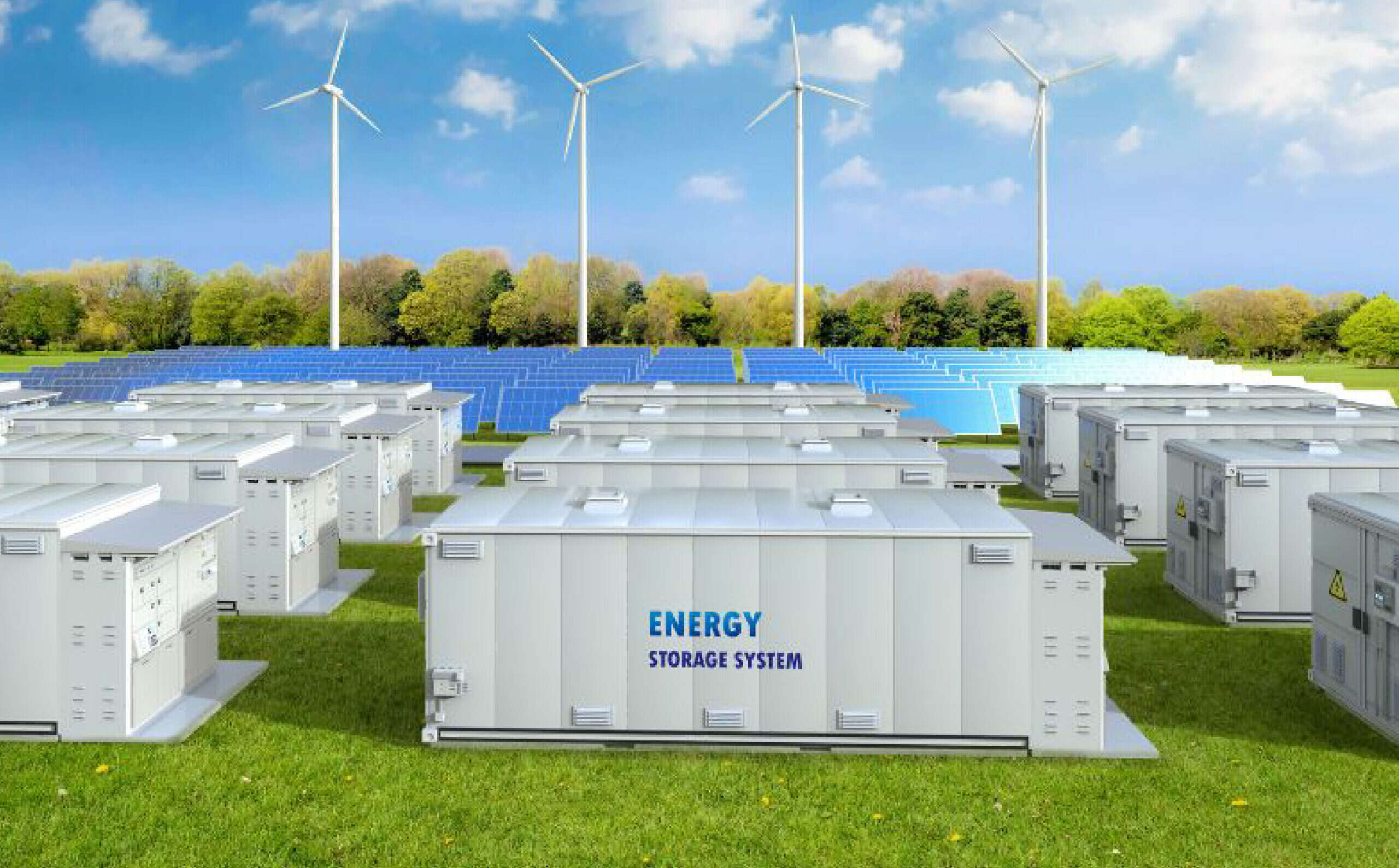
India’s rapidly expanding battery energy storage system (BESS) market is facing fresh financial viability challenges as a rebound in battery prices, rupee depreciation and aggressive project bidding put pressure on developers’ returns, according to a report by rating agency ICRA.
While strong policy support and a growing tender pipeline are driving the sector’s expansion, the ability of developers to procure batteries at competitive prices and execute projects within stipulated timelines will remain critical to their financial sustainability, ICRA said in its November 2026 report on the Indian renewable energy sector.
ICRA’s sensitivity analysis indicates that at a battery pack cost of $70 per kWh, BESS projects would generate a cumulative debt service coverage ratio (DSCR) of 1.17-1.27 times at capacity tariffs of ₹2.60-2.80 lakh per MW per month.
The DSCR measures a project’s ability to generate sufficient cash flows to meet its debt repayment obligations. A relatively narrow coverage margin could leave developers with limited financial flexibility if battery procurement costs rise further or project execution faces delays.
Battery procurement costs and currency movements have emerged as key variables determining the viability of aggressively bid projects, the rating agency said, underlining the importance of competitive procurement strategies and protection against cost escalation.
ICRA also highlighted the need for robust long-term service agreements (LTSAs) and firm offtake arrangements to safeguard project economics.
The concerns come as India’s battery storage market moves from the tendering stage towards actual project execution. Rising renewable energy capacity, which continues to outpace transmission augmentation, particularly in resource-rich states such as Rajasthan and Gujarat, is increasing grid congestion and the need for storage infrastructure.
Battery storage systems are expected to play a crucial role in absorbing surplus renewable generation during solar hours and shifting electricity supply to periods when solar generation declines.
Government support through viability gap funding (VGF) schemes announced in 2023, 2025 and 2026, covering a cumulative 135.8 GWh of storage capacity, is providing significant capital support to the sector.
However, policy incentives and lower initial funding requirements alone may not eliminate the financial and operational risks associated with BESS projects.
ICRA cautioned that developers also need to account for eventual duty payments under the MOOWR scheme, performance penalties, additional battery requirements and post-warranty maintenance expenses. These costs may not necessarily be covered by supplier guarantees.
The rating agency said project assessments should examine whether supplier guarantees adequately cover developers’ commitments to power buyers, particularly in cases where equipment performance falls short of contractual requirements.
With battery costs, currency movements and execution timelines becoming increasingly important to project economics, timely procurement and adequate financial safeguards will be crucial for developers navigating India’s expanding energy storage market.
Join the community of 2M+ industry professionals.
Subscribe to Newsletter to get latest insights & analysis in your inbox.
All about ETEnergyworld industry right on your smartphone!
- Download the ETEnergyworld App and get the Realtime updates and Save your favourite articles.