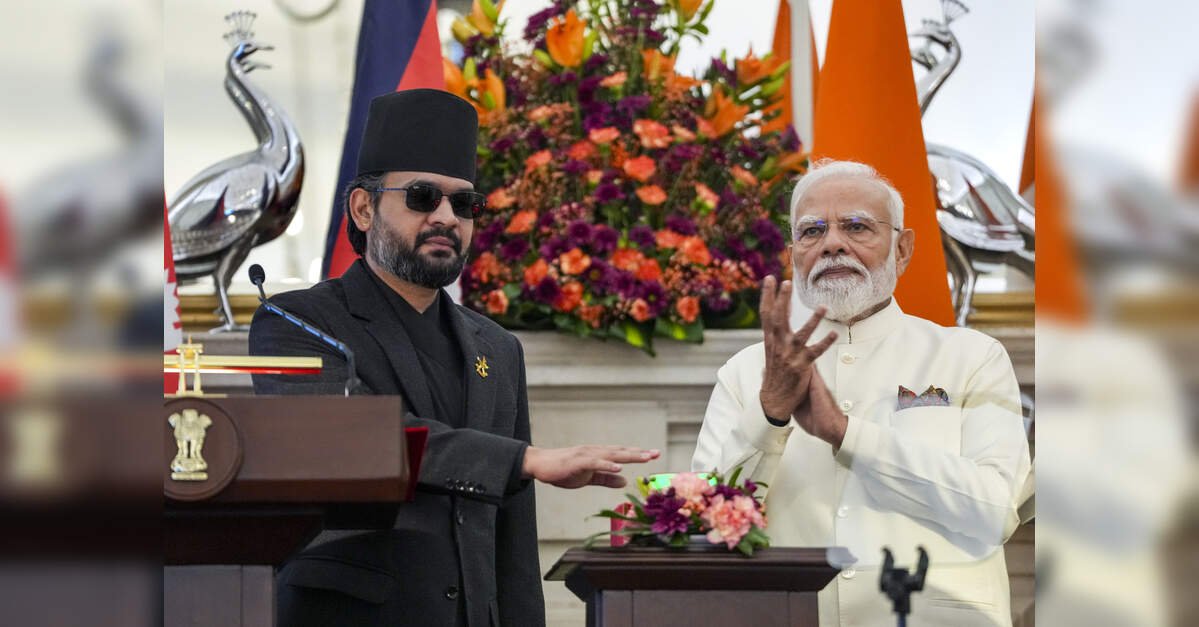
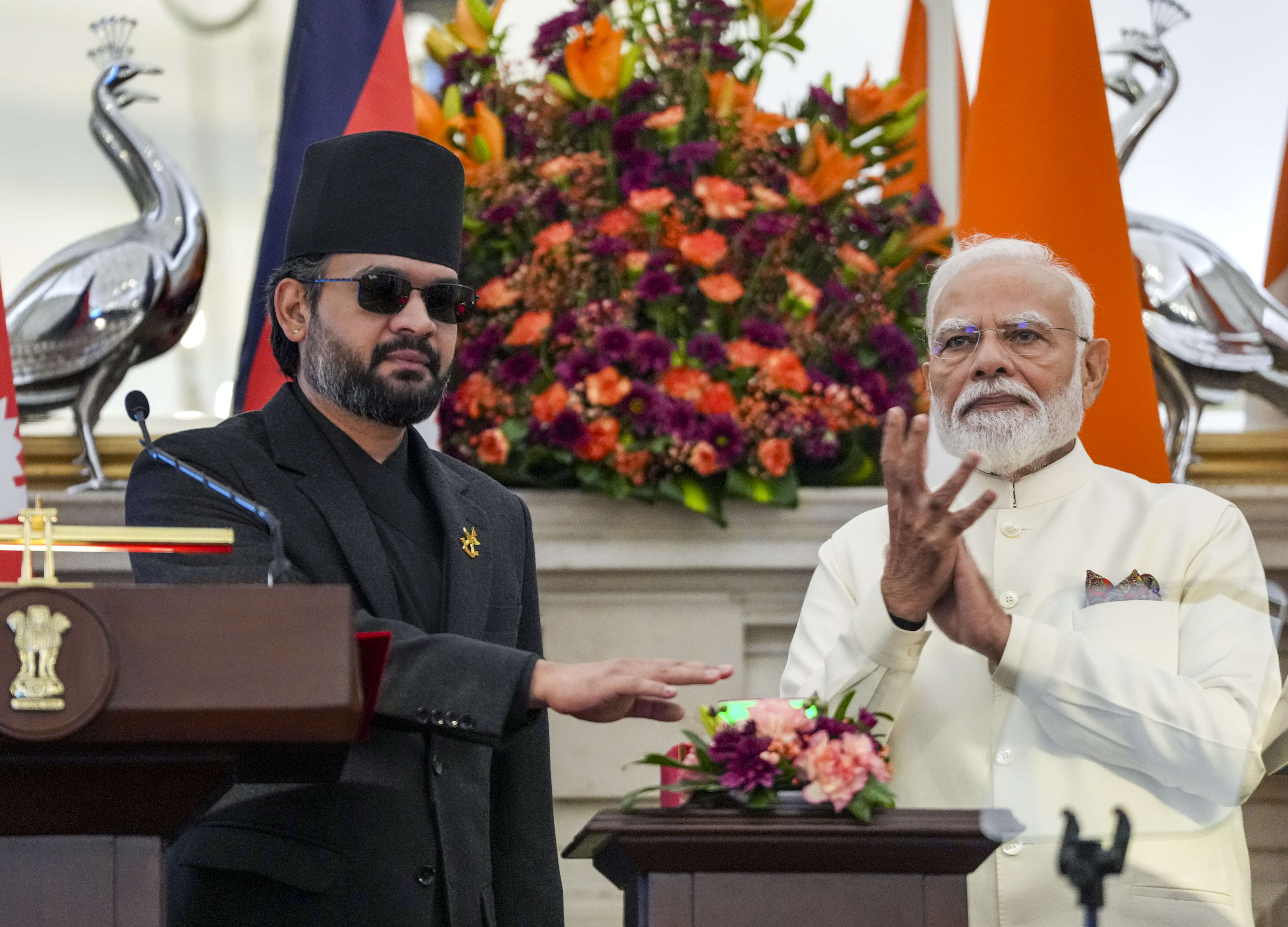
Prime Minister Narendra Modi and Nepal Prime Minister Balendra Shah on Sunday jointly laid the foundation stone of SJVN‘s 669 MW Lower Arun hydroelectric project in Nepal, which is estimated to cost ₹5,792.36 crore.
The project, being developed by SJVN’s wholly owned subsidiary SJVN Lower Arun Power Development Company, is located on the Arun river in Sankhuwasabha and Bhojpur districts of eastern Nepal.
It is expected to generate around 2,901 million units of electricity annually, with a tentative tariff of ₹4.99 per unit, SJVN said in a statement.
The project is designed to operate in tandem with SJVN’s 900 MW Arun-3 hydroelectric project upstream, using water discharged from the latter for power generation. “This arrangement will ensure optimum utilisation of available water resources, enabling additional renewable energy generation without constructing a separate storage reservoir,” the company said.
The plant will have four generating units of 167.25 MW each, a 17.4 km headrace tunnel and a surface powerhouse. It is being developed on a build, own, operate and transfer (BOOT) basis and is targeted for commissioning in 2030-31.
Under the project development agreement, Nepal will get 21 per cent of the electricity generated free of cost. The development is also expected to create jobs, boost government revenues through taxes and royalties, and support local infrastructure development, the company said.The HC in May refused to order mediation, saying that mediation under the Mediation Act 2023 was purely consensual and could not be directed in the absence of consent of all the parties. It also noted that earlier mediation attempts had failed and the alternative disputes resolution mechanism was required to be mutual, but in this case, Babasaheb Kalyani and others had opposed mediation.
Join the community of 2M+ industry professionals.
Subscribe to Newsletter to get latest insights & analysis in your inbox.
All about ETEnergyworld industry right on your smartphone!
- Download the ETEnergyworld App and get the Realtime updates and Save your favourite articles.