- Azman Usmani and Rajesh Kumar Singh
- Bloomberg
- Published On Oct 16, 2026 at 03:34 PM IST
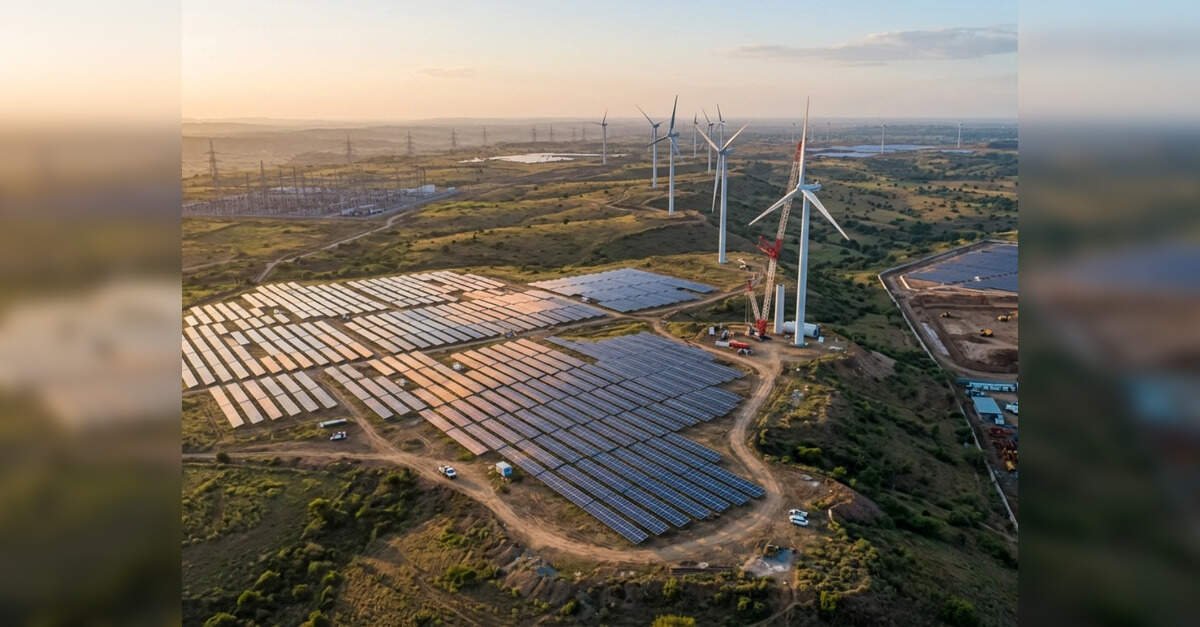
The world’s overwhelming dependence on China for critical solar, wind and battery components poses a risk to the global energy transition by leaving supply chains vulnerable to disruption, according to the chief of a top Indian renewables company.
China manufactures almost 90 per cent of the world’s solar panels, with its dominance extending deep into the supply chains for batteries and other critical technologies, Sumant Sinha, chief executive officer of Nasdaq-listed ReNew Energy Global Plc. Such concentration is not “healthy,” he added.
“We should all find ways of getting around that” Sinha said at the Bloomberg New Economy Forum in New Delhi. “What worries me is that the rest of the world is not thinking along those lines right now.”
China is the world’s leading supplier of clean energy equipment — including solar panels, wind turbine components and batteries — and accounts for 60 per cent to 85 per cent of global production capacity across multiple green energy supply chains, according to the International Energy Agency. It also dominates rare-earth processing, which is essential for magnets and battery components.
The world needs to invest more than $2 trillion annually to move away from fossil fuels, according to BloombergNEF data, and China’s dominance could amplify concerns about supply-chain vulnerabilities as countries race to expand clean energy supplies to meet demand from artificial intelligence and industrial growth.
India is moving faster than most countries to insulate itself from risks, Sinha said. The country is developing its own supply chain, though building a “relatively independent” ecosystem could take five to seven years, he added.
“But we are going to get there.”
Join the community of 2M+ industry professionals.
Subscribe to Newsletter to get latest insights & analysis in your inbox.
All about ETEnergyworld industry right on your smartphone!
- Download the ETEnergyworld App and get the Realtime updates and Save your favourite articles.